
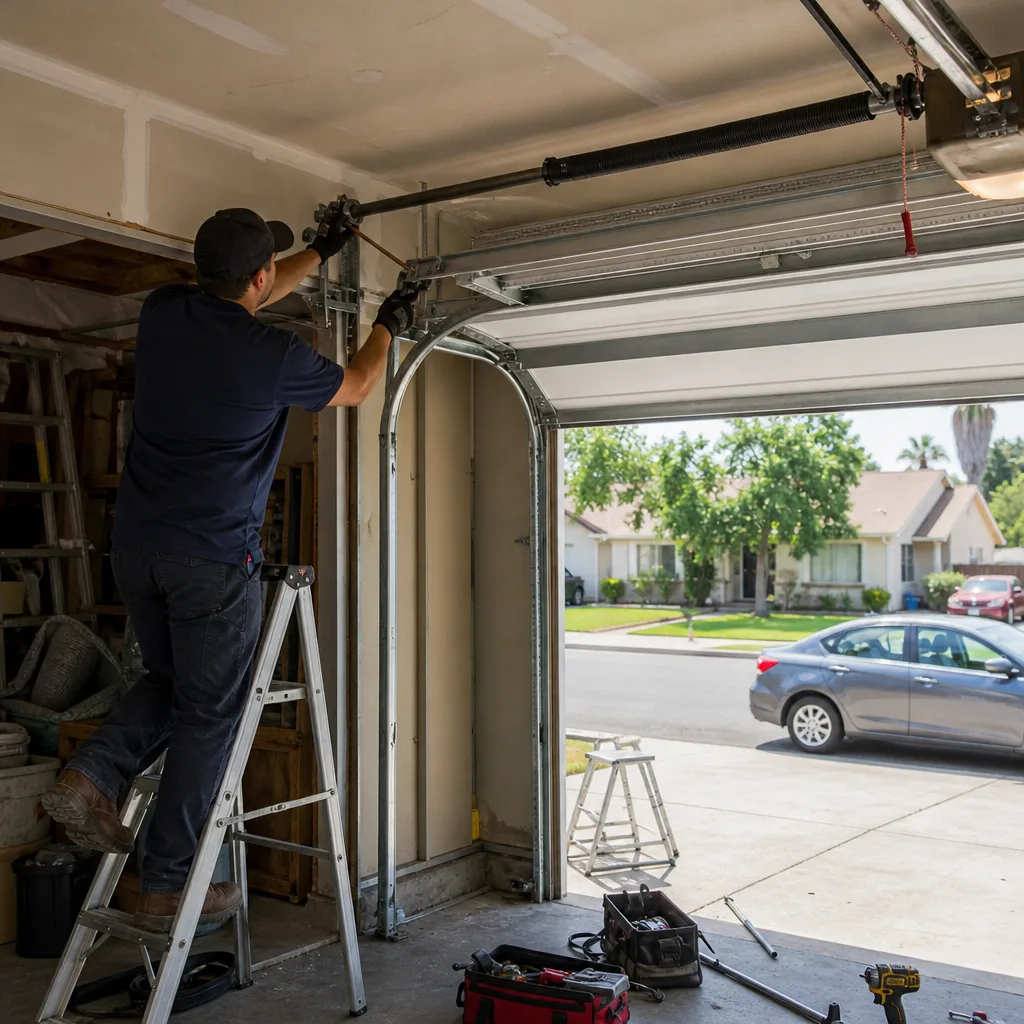
Last updated November 15, 2026
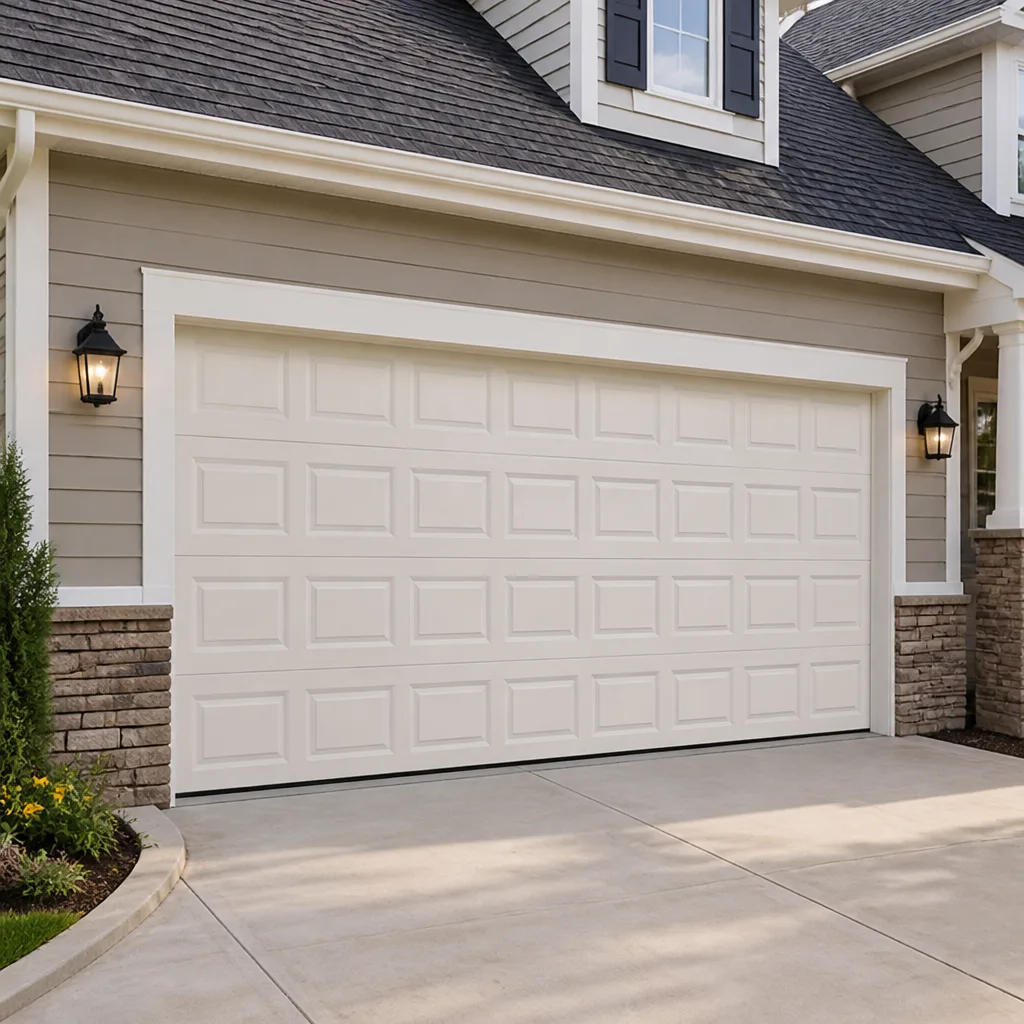 Raised-panel steel
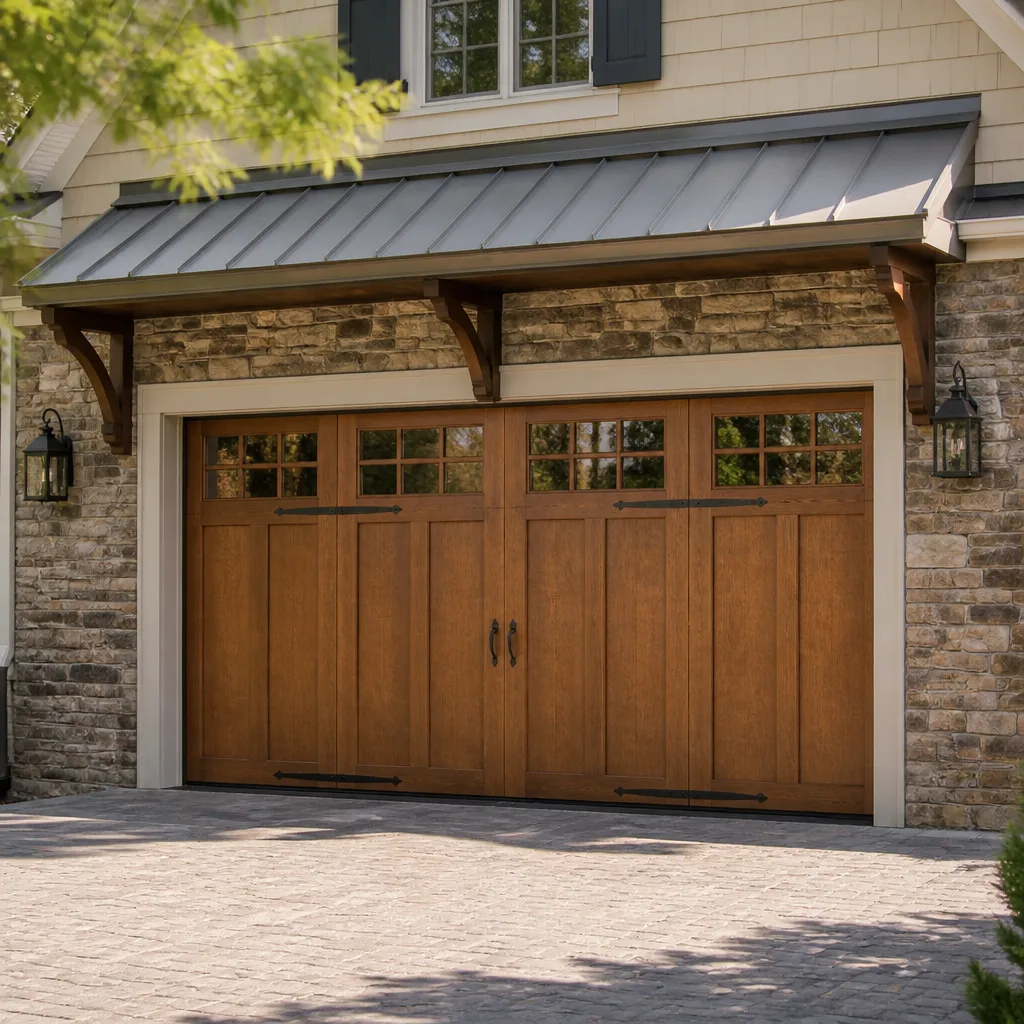 Carriage house
 Modern flush
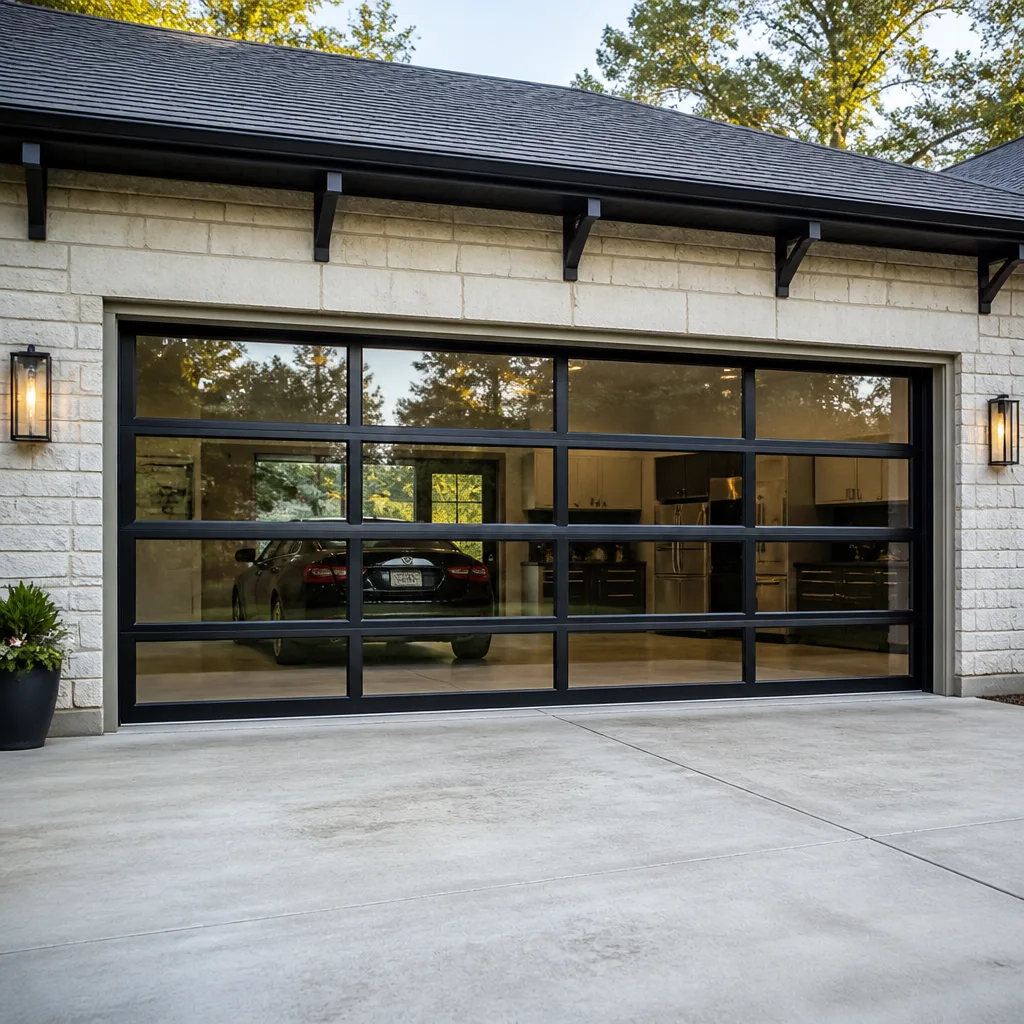 Full-view glass
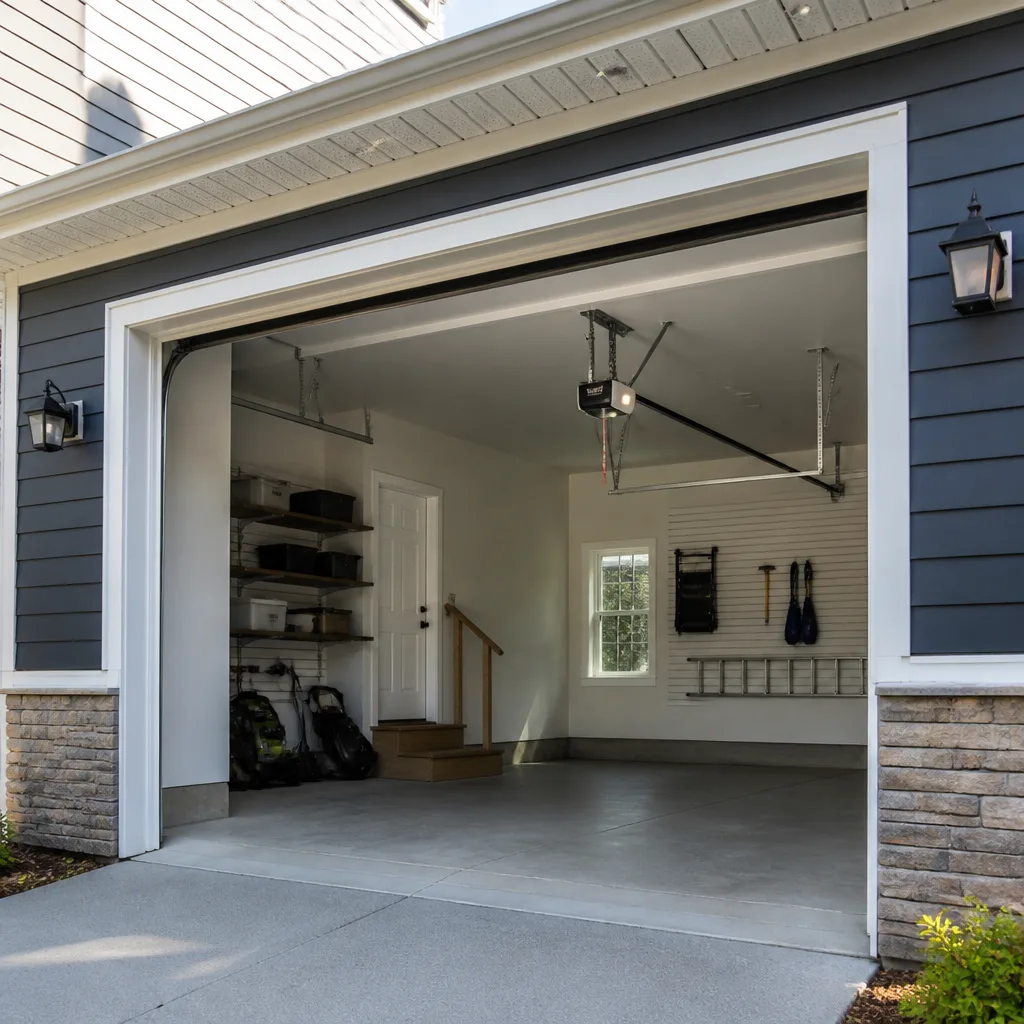 LiftMaster openers
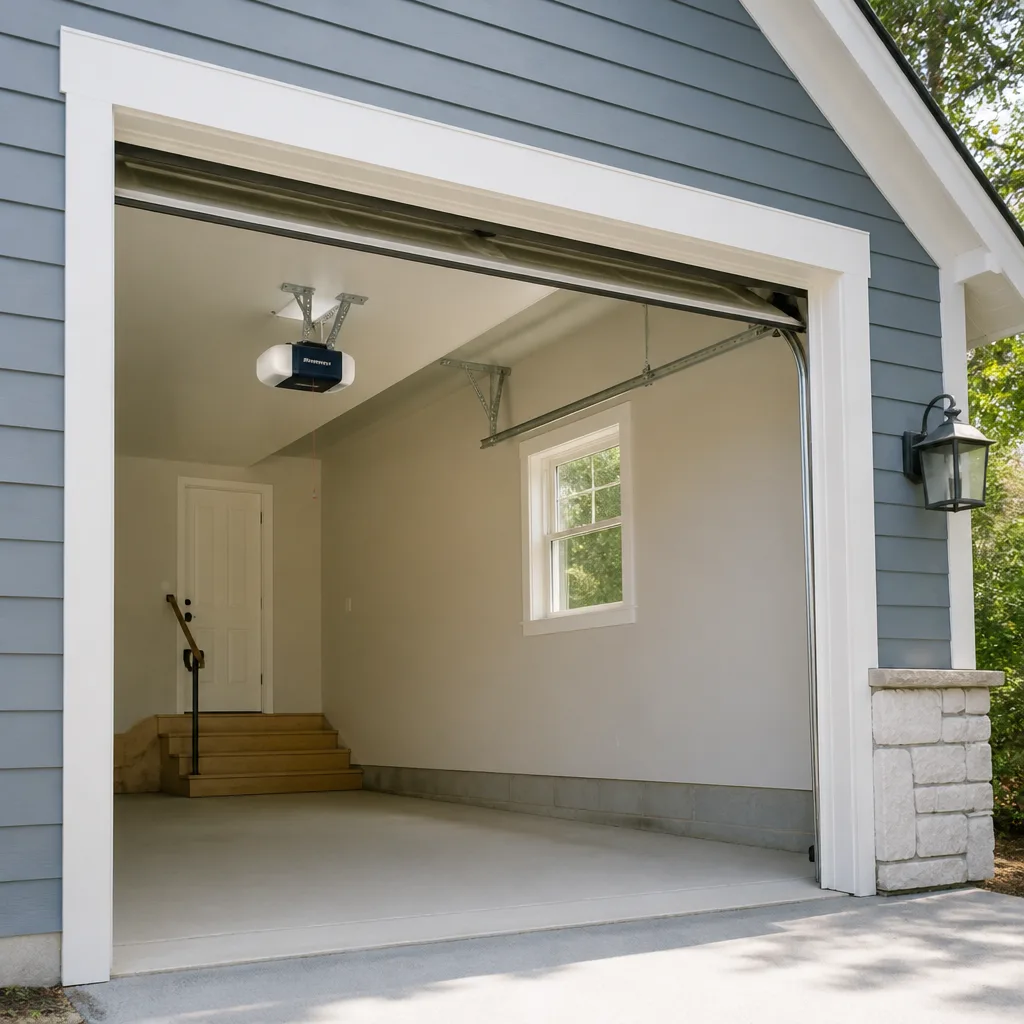 Chamberlain openers
Full 25-point door and opener safety check with every visit - springs, cables, rollers, tracks, and your LiftMaster or Chamberlain opener included
You get a price before we start. It does not change when the pro arrives.
Get your free estimateGarage Door Permits, Codes & Inspections in Stockton, CA: What You Need to Know
Most Stockton homeowners assume a garage door is like a fence or a coat of paint: you swap it, you’re done, no paperwork. That assumption holds up fine for a broken spring or a stubborn opener, but it quietly falls apart the moment you replace the whole door. A full replacement is a structural change to the opening of your house, and the City of Stockton treats it that way. This guide walks through which garage door jobs need a permit, which don’t, how the inspection process actually runs at Development Services, and what happens at resale if the paperwork was never filed. By the end you’ll know exactly where your project sits before anyone swings a hammer.
Quick Answer
In Stockton, a full garage door replacement that changes the door’s size, framing, or attachment generally requires a building permit from the City of Stockton Development Services department, while routine repairs (springs, cables, rollers, tracks, opener swaps) do not. A like-for-like door swap in the same opening often gets reviewed as a replacement rather than a structural alteration, but the city makes that call, not the contractor and not the homeowner. When in doubt, call the building department before you order the door.
Styles & brands we work with
- Raised-panel steel
- Carriage house
- Modern flush
- Full-view glass
- LiftMaster openers
- Chamberlain openers
Table of Contents
- Repair vs. Replacement: Where the Permit Line Falls
- California Energy Code (Title 24) and Your New Door
- How the Permit and Inspection Process Works in Stockton
- Fire-Rated Doors and Attached Garages
- Unpermitted Work and Your Disclosure Form
- Opener Codes, Safety Reversal, and What Inspectors Check
- What This Looks Like in Stockton Neighborhoods
Repair vs. Replacement: Where the Permit Line Falls
The single most useful distinction in this whole guide is the one between repair and replacement. Once you understand it, the rest of the process gets much simpler.
Routine repair generally does not require a permit. Replacing a torsion spring, swapping a snapped cable, installing new rollers, realigning a bent track, or replacing an opener motor are all maintenance and repair work. These jobs restore the door to how it was originally built, so the city doesn’t need to review them. Marigold’s garage door repair work and garage door opener repair work fall firmly on this side of the line.
Replacement is a different animal. A new door means new attachment points, possibly new framing, possibly a different weight and balance, and a new spring system sized to the new door. That’s construction, and construction needs a permit when the scope changes the structure or the opening. This is the same standard that applies to new windows or a re-roof. If the door goes back into the same sized opening with no framing changes, some projects get reviewed as a straight replacement. A different sized opening, a conversion between door types, or a header change almost always triggers the permit review.
Two practical rules we’ve learned from watching how these jobs get processed:
- Like-for-like in the same opening tends to be the grayest area. Ask the city for a written answer before you buy.
- Anything that changes the opening, framing, or attachment should be treated as permit territory until the building department says otherwise.
When you’re planning a Marigold Garage Door Repair installation, this is worth settling at the estimate stage. A written scope that says exactly what’s being removed and what’s going back in makes the permit conversation with the city much easier either way.
California Energy Code (Title 24) and Your New Door
Title 24, California’s energy code, sets requirements for the building envelope, and garage doors are part of that envelope when the garage shares walls with conditioned living space. That means a new door installation can require a minimum R-value for the door itself. The value depends on whether the garage is attached or detached, whether it’s inside the conditioned boundary, and how much of the house it touches.
In plain terms: a single-layer steel door with no insulation won’t meet the standard for every attached garage in Stockton. An insulated door might. The city’s plans examiner will confirm which requirement applies to your specific home layout. That’s a conversation for your installer and the building department, not a decision to guess at.
Practical implications for a Stockton homeowner replacing a door:
- Ask your installer for the door’s R-value in writing before you commit to a model.
- Insulated models from Clopay, Amarr, Wayne Dalton, and Raynor are all commonly specified for attached garages, and each brand publishes R-values on its spec sheets.
- Brand doesn’t determine compliance. The specific door’s published R-value does.
- If you’re replacing a door on a detached garage, the requirement usually tracks differently. Confirm with the city.
We work with the eight major brands homeowners already own, and we read the spec sheets from the same manufacturers during installation planning so nothing gets specified by guesswork. The city has the final say on whether the door you pick clears the code requirement for your address.
How the Permit and Inspection Process Works in Stockton
Here’s a step-by-step of how a garage door permit move typically goes at the City of Stockton Development Services department. Timelines shift with their workload, so treat each step as “ask them” rather than “expect exactly this.”
- Confirm the scope. Call Development Services and describe exactly what you’re changing: same-sized opening, framing changes, spring replacement, door model. Get a clear yes/no on permit requirement.
- Gather documents. The city will typically ask for a permit application, a site plan or address drawing, and manufacturer specs including the door’s R-value and wind rating. Ask the counter what they need for your specific job.
- File and pay. Permits can usually be submitted online or at the counter. Fees are set by the city’s fee schedule and scale with valuation.
- Schedule the install. Once the permit is issued, the installation can go forward. Ask whether the city requires a pre-installation inspection or just the final.
- Call for inspection. Most residential permits close with one final inspection. The inspector checks attachment, framing, spring balance, and the door’s compliance with the permitted scope. If something fails, the inspection report is specific about what needs correcting.
- Close the permit. Once the final inspection passes, the permit is closed and the improvement is on record with the city.
Two honest realities about the process. First, it usually adds a few weeks to a door replacement timeline, especially if the permit is filed during a busy month. Second, an inspector is not there to grade your installer’s work; they’re checking that the work done matches the permit on file.
If you’re scheduling a whole new door, the sensible order is: settle the door model, settle the permit, then set the install date. That order protects the homeowner from paying for a door that fails code on the day of inspection. If the door is already on order without a permit and the city asks for one, talk to your installer about whether a retroactive permit is the right fix.
Fire-Rated Doors and Attached Garages
Here’s a code element a lot of homeowners have never heard of. When a garage shares a wall with living space, that separation wall needs a fire resistance rating. In many attached garage layouts, the door between the house and the garage is also reviewed as part of that separation. If your attached garage has a door leading into a hallway, that door is frequently a fire-rated assembly, not a plain interior door.
This matters to garage door work in two ways:
- If you’re reconfiguring the garage framing as part of a project, the separation between garage and house needs to stay intact and rated. A larger door opening can change how the header and the remaining wall perform.
- If you’re swapping the person-door between house and garage, that’s a fire-rated door, not a standard replacement. It’s a code review item, not a hardware swap.
The garage door itself is a small piece of a larger life-safety picture. Stockton’s building department is the authority on what “fire-rated” means for your specific layout. Ask them before the framing goes up, not after.
Unpermitted Work and Your Disclosure Form
When you list a home in California, the transfer disclosure statement asks whether you’re aware of any alterations or improvements made without required permits. That’s a yes/no question. Skipping a permit for a garage door replacement is not a small omission on that form; it’s an active answer you have to give.
What happens in practice, from what we see in Stockton:
- Buyers ask. A home inspector who notices a new garage door will often look for a permit record. Missing paperwork becomes a negotiation item.
- It’s fixable. A retroactive permit, issued after review of the existing work, is usually the path forward. The city will inspect it and the improvement gets recorded.
- It costs more later. Retroactive permits, revised scopes, and any corrections the inspector requires add cost that a proactive permit would have avoided.
The cheap proactive move is to know whether the work needs a permit before the door arrives, and to get a straight answer in writing. The expensive reactive move is finding out during escrow.
Opener Codes, Safety Reversal, and What Inspectors Check
Openers are electronics, not construction, so a straight motor swap on an existing door normally doesn’t need a permit. But a new opener installation on a new door, especially if the torque or rail mounting changes, can get reviewed as part of the door project. The safety requirements themselves have been standard nationwide since the early 1990s: a door with an opener needs an entrapment protection system, a reversing test, and a safe installation for the door’s balance.
If you’re replacing your opener with a newer model from liftmaster, chamberlain, genie, or craftsman, the electronics themselves are usually fine on the same door. What matters is the safety test: the door has to reverse on contact, and the force adjustment has to be set to the door’s weight. That’s a job we do on every opener installation regardless of permit status, because a door that doesn’t reverse on a toy in its path is a safety hazard, not a repair.
A short safety note since this touches moving parts at head height. Garage door springs are under substantial tension at all times, and cables can snap without warning. Adjusting torsion springs, replacing cables, or rebalancing a door is work for a trained technician with the right tools. Leave any spring or cable adjustment to a professional.
What This Looks Like in Stockton Neighborhoods
Stockton’s residential mix shapes how permit questions show up. Older neighborhoods on the south and west side, with homes built across several decades, often have experienced multiple door replacements over the years and can have inconsistent paper trails. The city’s building department can still pull permit records if any exist, so when you’re buying in these areas, it’s worth asking your agent about the garage door in writing.
Newer construction on the north side and out toward the eastern edges tends to have cleaner records. A permit is more likely to have been pulled on the original install, which makes a future replacement easier to document. On some newer homes with insulated doors under Title 24, the door’s R-value is already recorded, so a replacement matches an established standard.
Climate matters here in a subtle way. Stockton’s hot summers work on both the door and the hardware, and a west-facing garage heats up fast. If you’re replacing a door because the old one has warped or the finish has failed, the replacement is the moment to consider whether the insulation spec matches the energy code for your home. That’s a permit-stage conversation, not an after-the-fact correction.
If you’re in Stockton and wondering how a permit project plays out on your block, our team can walk through the scope and what the city will want to see.
Common Mistakes to Avoid
- Assuming “same size door” means “no permit.” The city makes that call, not the installer. Ask before you order, not after.
- Skipping the R-value conversation. A new attached-garage door on an uninsulated model can fail Title 24 review. Confirm the door’s spec before installation.
- Replacing the door but never pulling the fire-rated separation into the plan. If the framing changes, the house-to-garage separation has to stay rated. Ask the city.
- Treating the transfer disclosure statement as a formality. Unpermitted work is an active disclosure question and a common negotiation item at resale.
- Not keeping the inspection report. The final signed inspection is your record. Save it with the door’s spec sheet for the next owner.
- Using a handyman for spring or cable work as “not part of the door project.” Spring and cable repairs are the highest-risk part of any garage door job and belong to a trained technician.
- Ordering the door before the permit. The door installation is scheduled around the permit, not the other way around.
See the difference
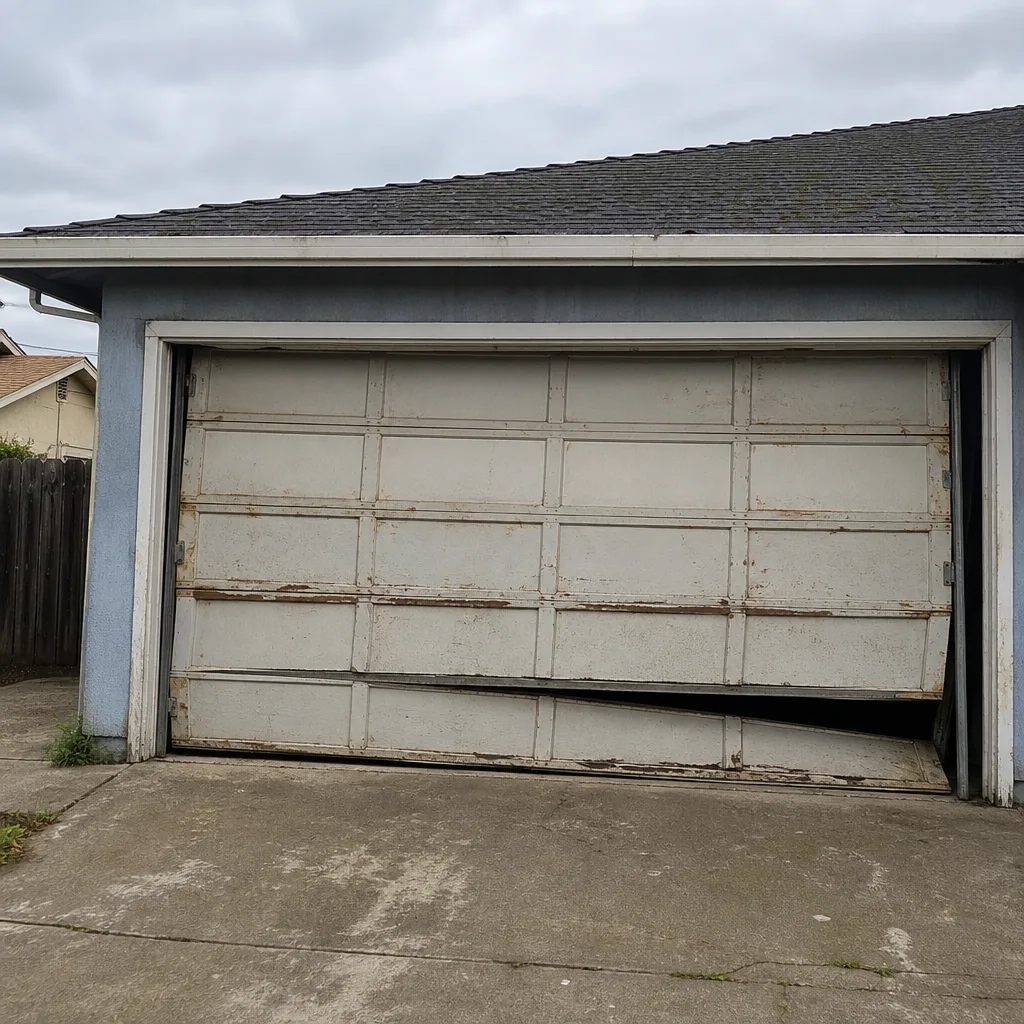 Before
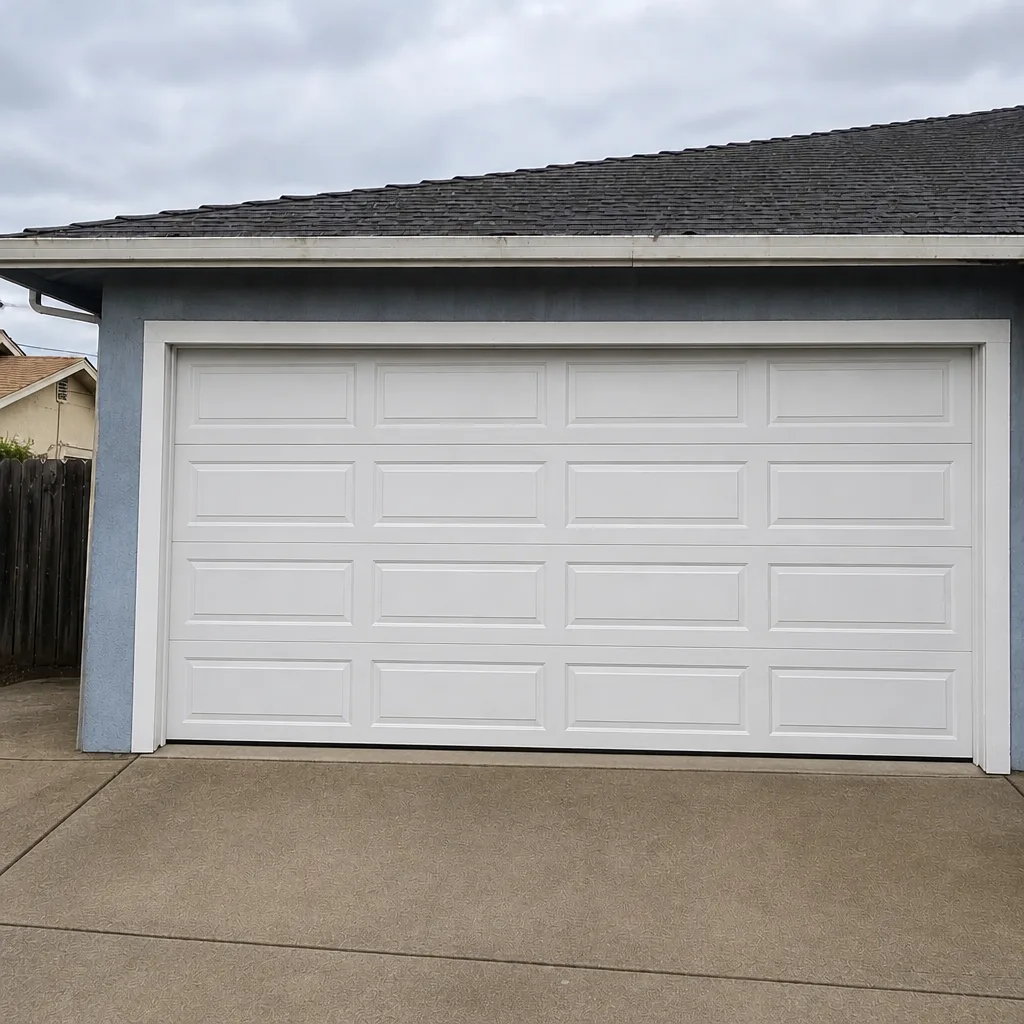 After
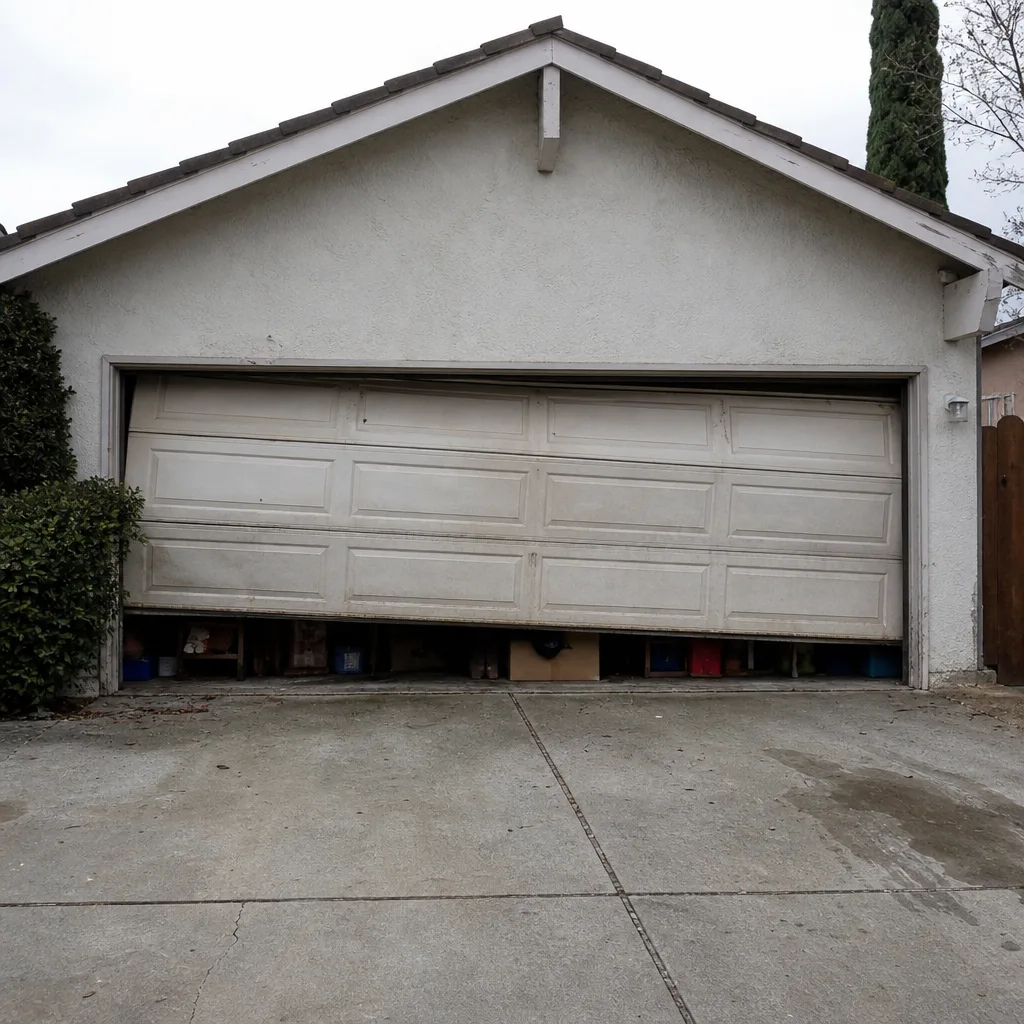 Before
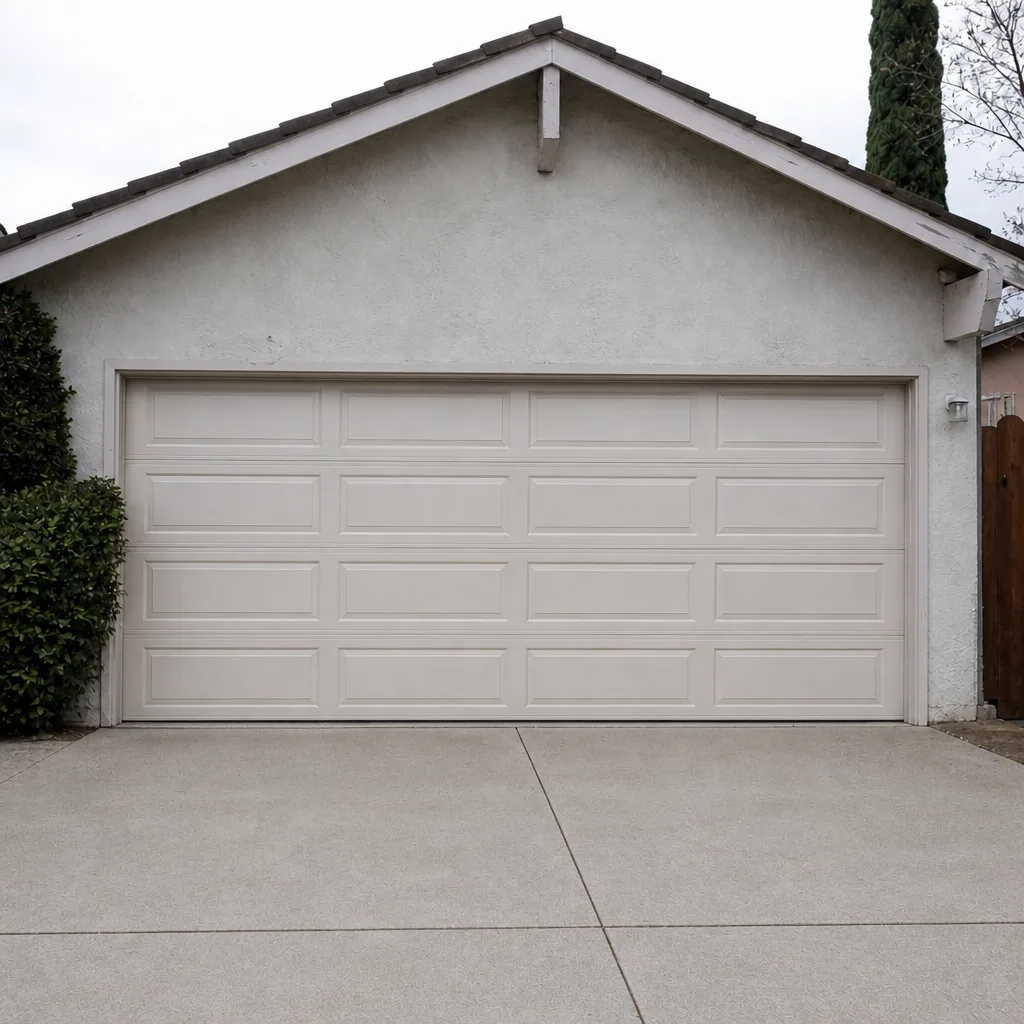 After
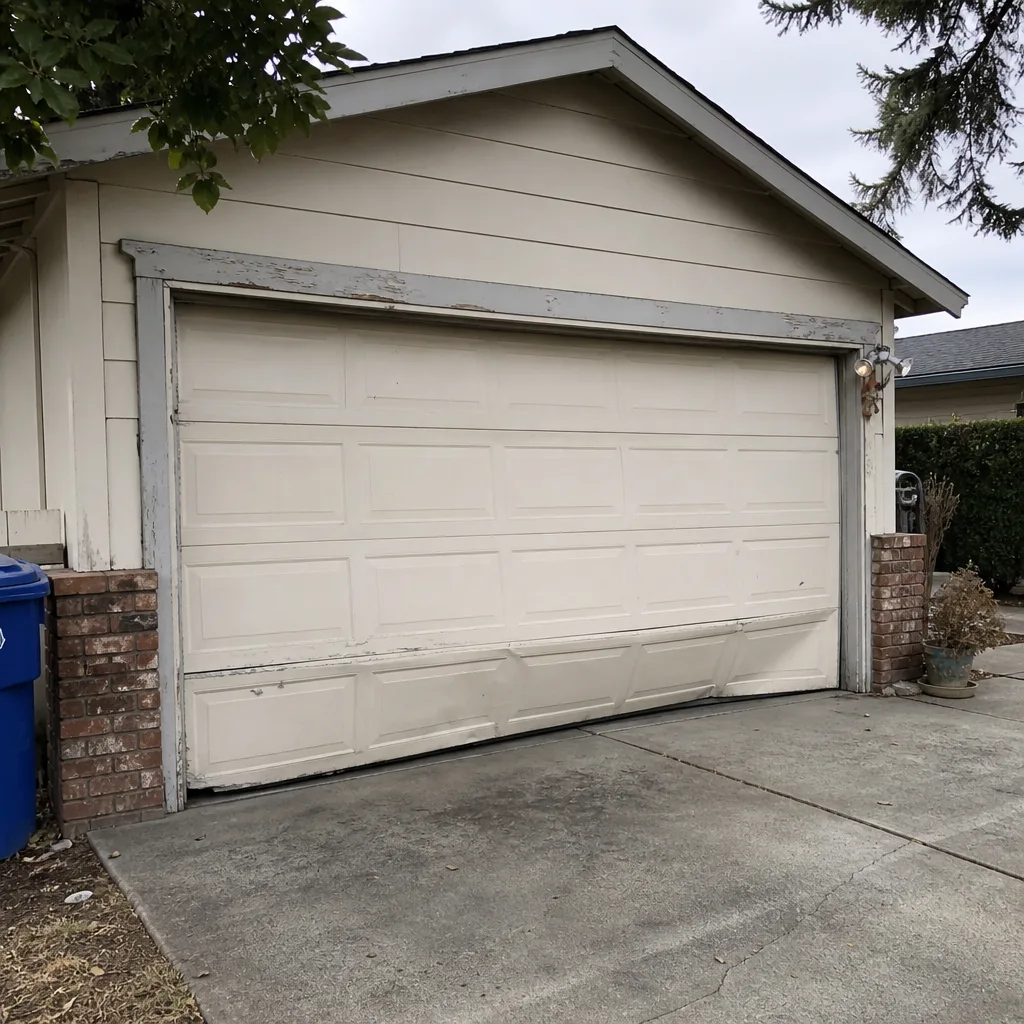 Before
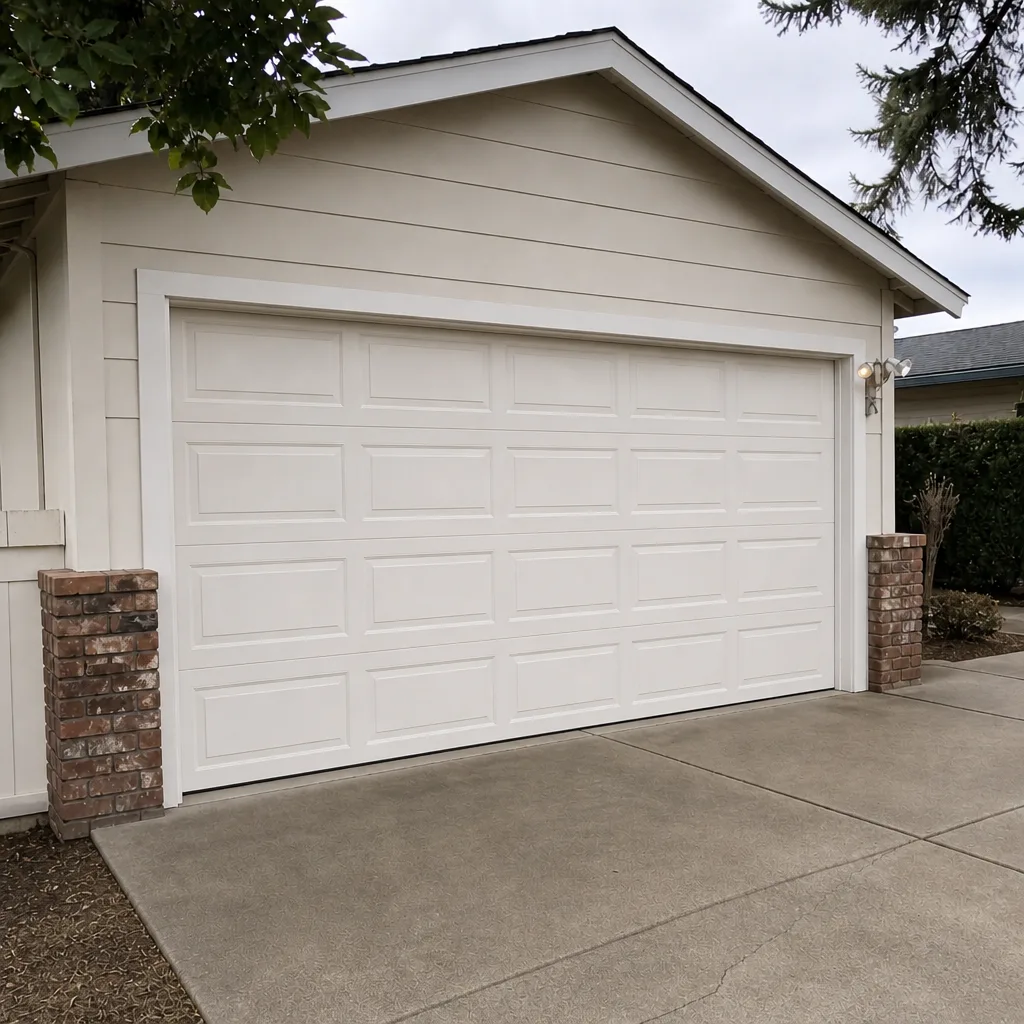 After
When to Call a Professional
Call a trained garage door technician when the problem is a broken spring, a snapped cable, an off-track door, or an opener that stops responding. Those are the jobs where amateur work turns into a hospital visit, and they’re not the kind of thing a general handyman should be learning on your door. Also call when the scope of work is bigger than it looks: a new door, a different sized opening, or an attached-garage project that touches framing, because that’s permit territory and you want it handled with a proper scope. Marigold Garage Door Repair offers free estimates in Stockton. Call (877) 405-9570. We answer 24/7. Fast dispatch from 7am to 7pm, Sunday through Friday.
Frequently Asked Questions
It depends on what’s actually changing. A full door replacement that alters the opening, framing, or attachment generally requires a permit from the City of Stockton Development Services department, while a same-size replacement in an unchanged opening sometimes does. Call the building department with your exact scope before you order the door.
Usually no. A straight opener swap on an existing door is treated as repair and maintenance rather than construction. If the opener installation involves a new door, new framing, or a new torque system, the door project itself may still need a permit. When in doubt, call (877) 405-9570 and we’ll talk through the scope.
It depends on whether the garage is attached, how much of the house it touches, and how the conditioned boundary is drawn. There’s no single answer for every Stockton home. Ask the city’s plans examiner and have your installer provide the door’s published R-value in writing before you commit to a model.
It means the seller is aware of a garage door installation or alteration that was done without the required City of Stockton permit. California’s transfer disclosure statement asks directly about this, and it becomes a common negotiation item at resale. The fix is usually a retroactive permit and a city inspection.
Timelines vary with the building department’s workload, and the review period for a residential permit is usually measured in weeks, not days. Confirm the current turnaround when you file, and plan the install date around the permit rather than the other way around. Call (877) 405-9570 for an installation estimate.
The garage door itself is not typically a fire-rated assembly, but the wall between an attached garage and the house is, and the person-door between them often is too. If a project changes the framing or the separation, the fire rating has to stay intact. The City of Stockton building department is the authority on your specific layout.
Yes. Spring replacement, cable replacement, roller replacement, and track realignment are maintenance and repair, not construction, so they don’t require a permit. They do require a trained technician, because the springs are under substantial tension and cable and spring work is genuinely dangerous.
The inspector issues a correction notice describing exactly what doesn’t match the permitted scope, and the installer corrects it and calls for a re-inspection. The door isn’t condemned, and the inspection report tells you what the fix is. That’s why the scope-of-work conversation belongs before the install, not after.
The Bottom Line
Garage door permits in Stockton aren’t complicated, but they do have a threshold. Repair work – springs, cables, rollers, openers – doesn’t need a permit. Full replacement work that changes the opening, framing, or attachment generally does, and the City of Stockton building department is the authority on where your specific project sits. Check Title 24 insulation requirements before you order a door for an attached garage. Keep your inspection report. And if you’re planning to sell, settle any permit question in writing before you list, because your disclosure form is going to ask. If you want a clear estimate on the door or repair itself, we’re here.
Get a Free Estimate in Stockton
Planning a garage door repair or replacement in Stockton and want to know what the actual in-Stockton scope looks like? Call Marigold Garage Door Repair at (877) 405-9570 for a free estimate. We work on what you already own, whether your opener is a LiftMaster or a Genie, and whether your door is a Clopay, Amarr, Wayne Dalton, or Raynor. We handle repair, opener repair, and complete installation under one company, so nothing falls through the cracks between the door and the opener. We answer 24/7. Fast dispatch from 7am to 7pm, Sunday through Friday.
Written by the team at Marigold Garage Door Repair.