
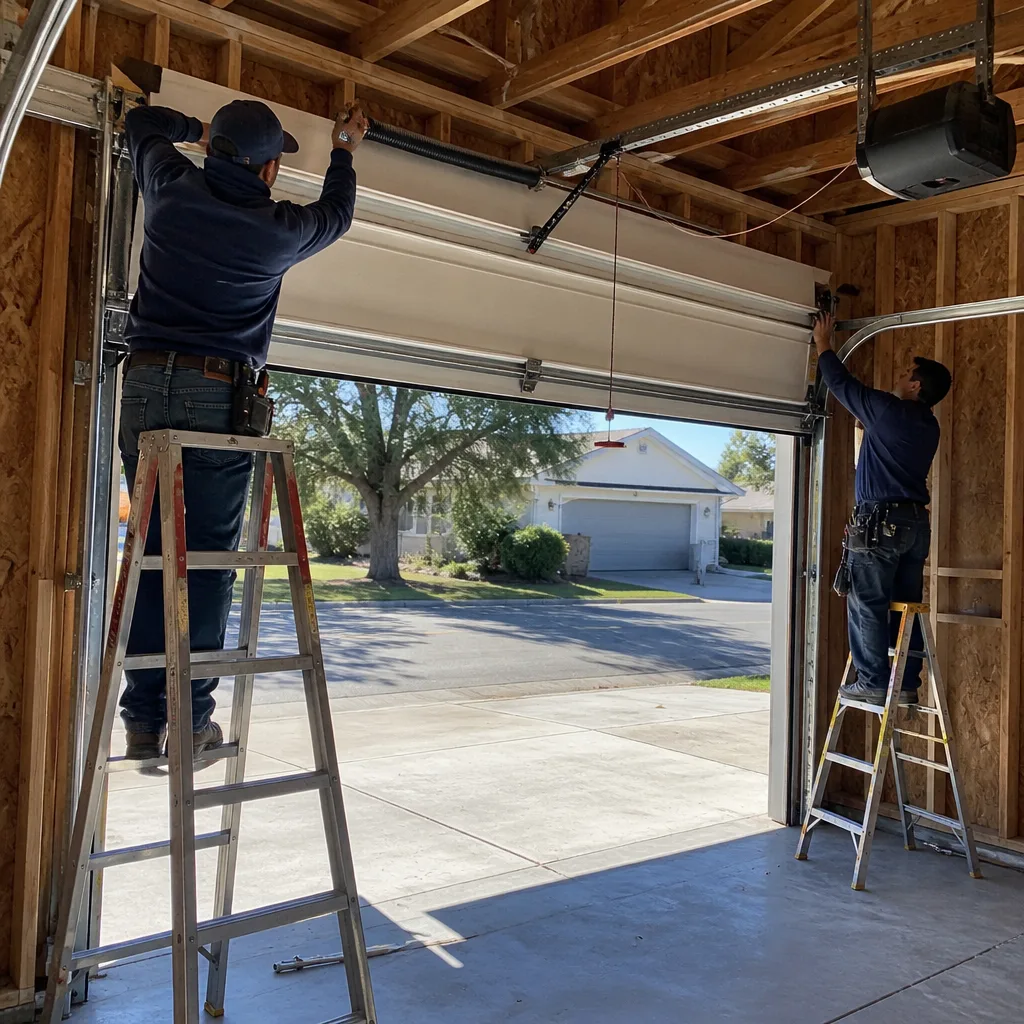
Last updated November 15, 2026
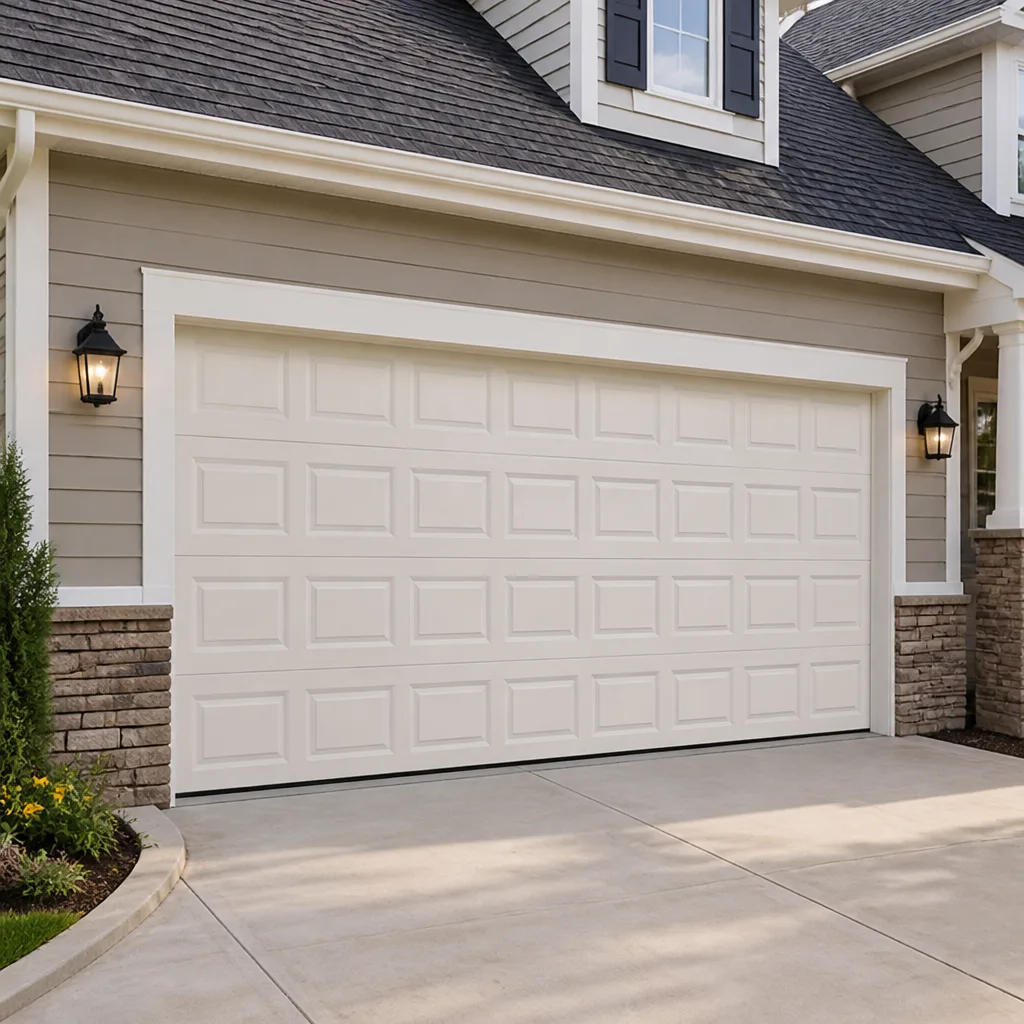 Raised-panel steel
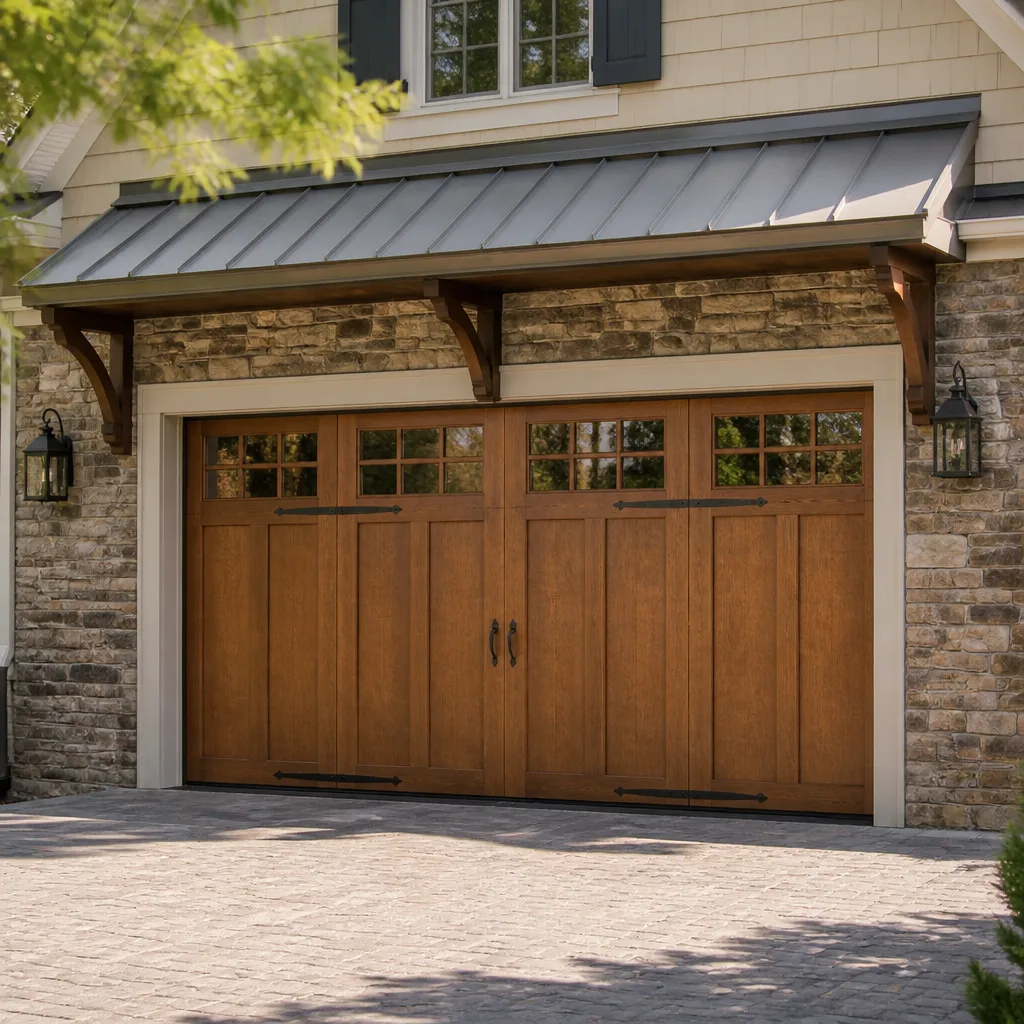 Carriage house
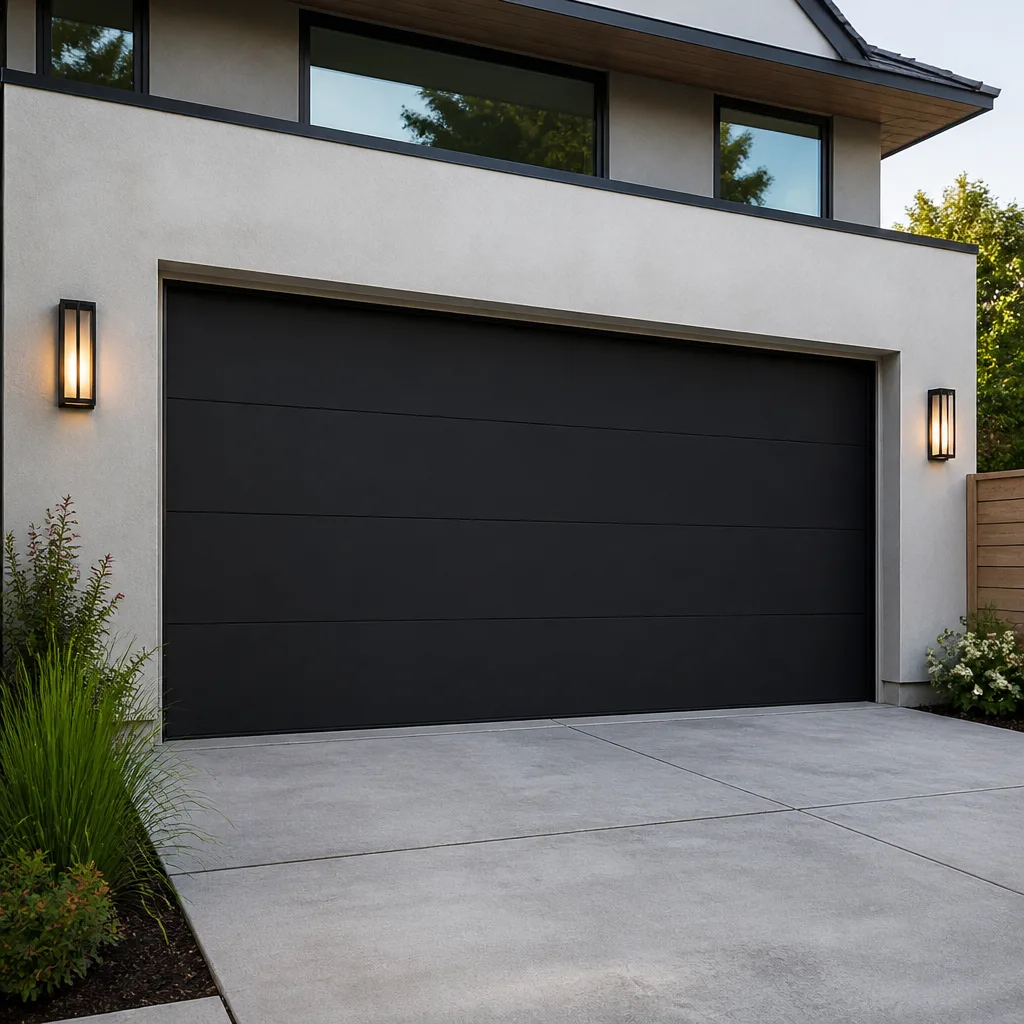 Modern flush
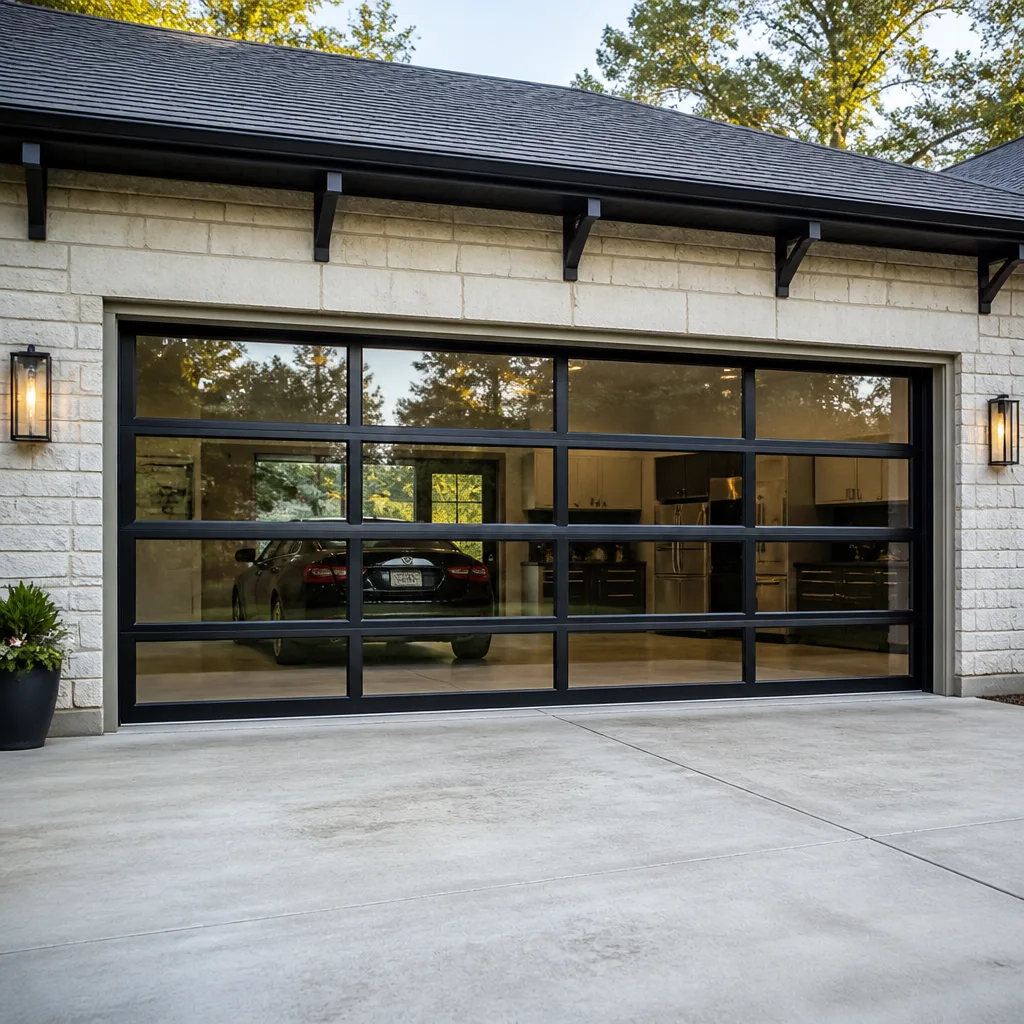 Full-view glass
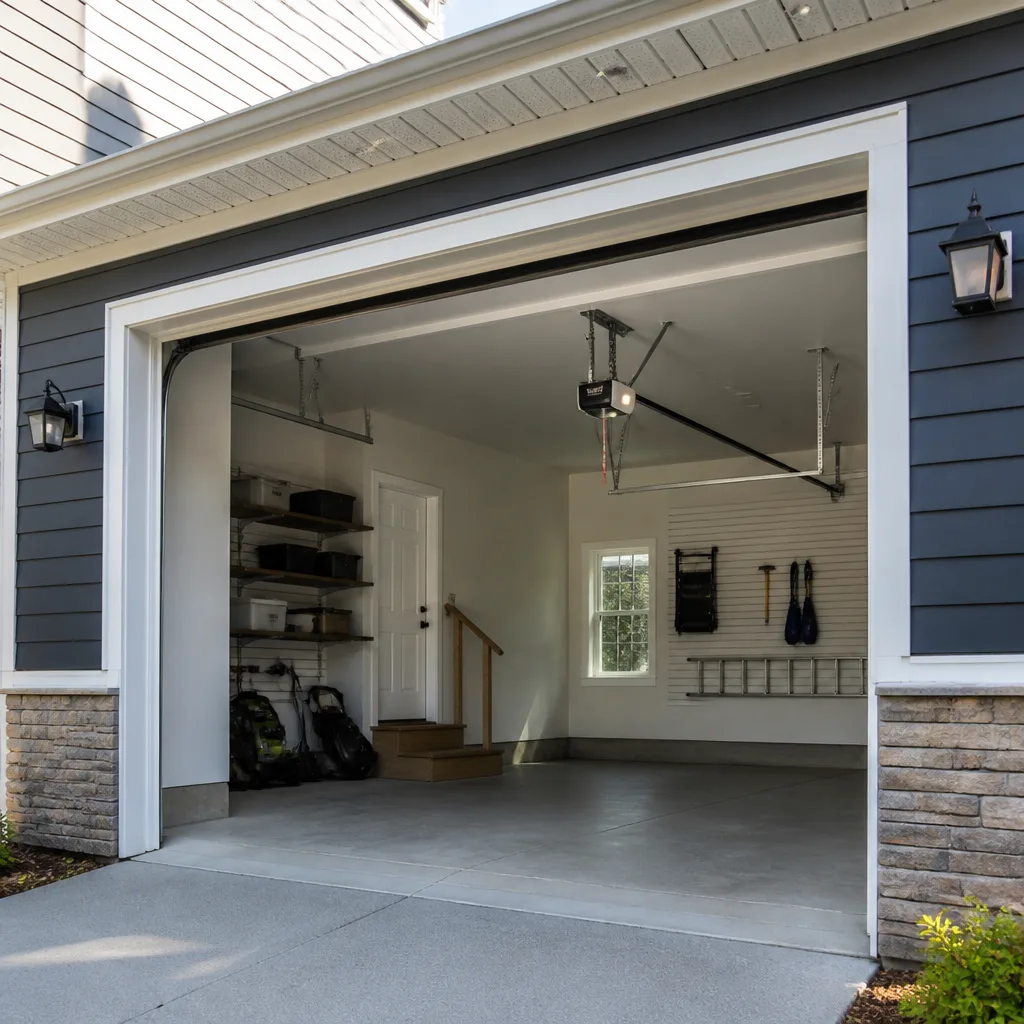 LiftMaster openers
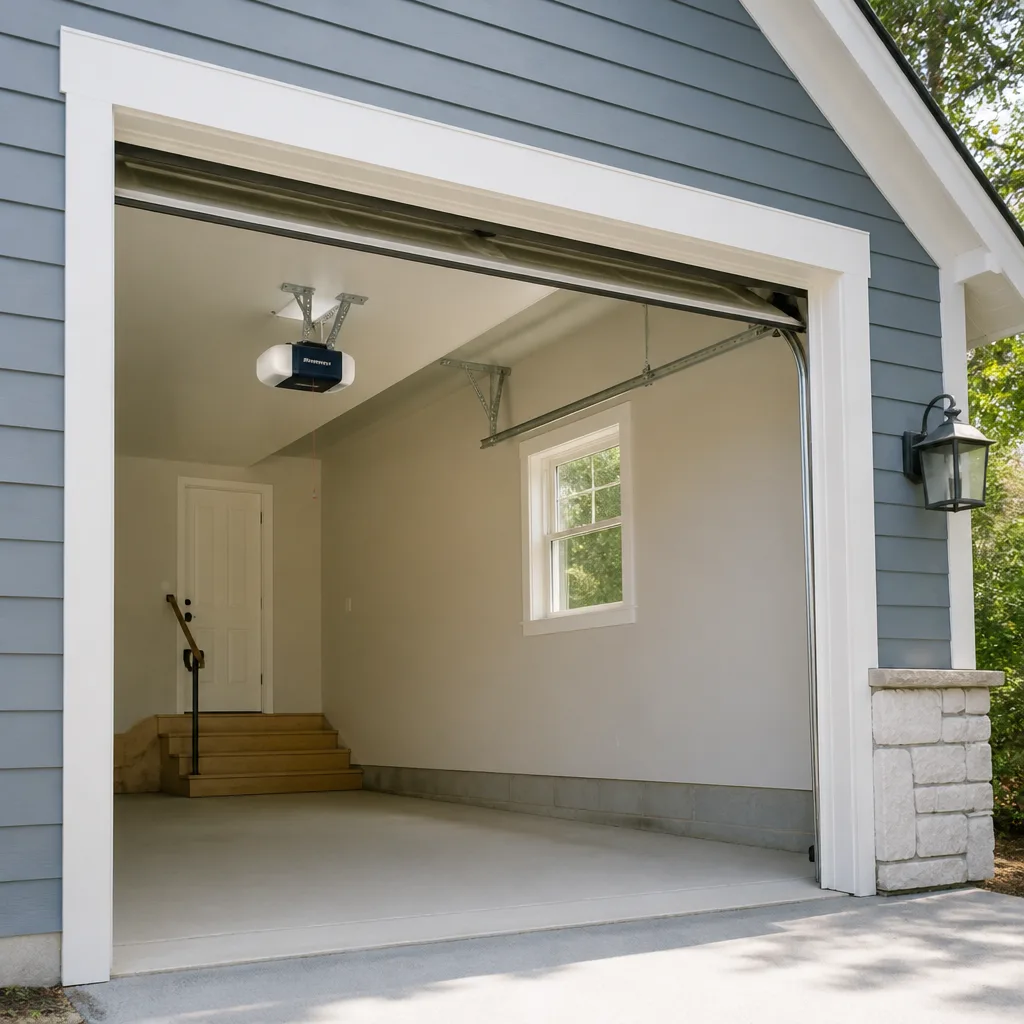 Chamberlain openers
Full 25-point door and opener safety check with every visit - springs, cables, rollers, tracks, and your LiftMaster or Chamberlain opener included
You get a price before we start. It does not change when the pro arrives.
Get your free estimateChoosing the Right Garage Door Brand: A Buyer’s Guide for Stockton
The most useful thing anyone can tell you about garage door brands is also the least profitable thing for a dealer to say: the name printed on your opener matters far less than the technician who services it three years from now. Most buying guides are written by someone who sells one brand, so the comparison is rigged before you reach the second paragraph. This one isn’t. We service all the major systems, which means we gain nothing when you pick one label over another. What we’ll cover here: how opener and door brands actually differ, how Stockton heat and dust change the equation, which parts are easy to source, and what a “lifetime warranty” really covers.
Quick Answer
For most Stockton homeowners, the right garage door brand is the one a local independent technician can service and source parts for quickly, not the one with the biggest ad budget. LiftMaster and Chamberlain openers win on parts availability and serviceability, Genie and Craftsman hold their own on simple belt and chain systems, and for door panels Clopay and Amarr tend to handle Central Valley UV better than most. The brand on your door panels and springs matters more than the brand on your opener.
Styles & brands we work with
- Raised-panel steel
- Carriage house
- Modern flush
- Full-view glass
- LiftMaster openers
- Chamberlain openers
Table of Contents
- Opener Brands Compared: A Technician’s View
- Door Panel Brands Under Stockton Sun
- The Parts-Availability Test
- Why a Brand Your Local Tech Knows Wins
- What “Lifetime Warranty” Actually Means
- How Stockton’s Climate Rewrites the Brand Math
- Buying a New Door: A Numbered Walkthrough
- Common Mistakes to Avoid
- When to Call a Professional
Opener Brands Compared: A Technician’s View
Openers are the part of the system most people think about first, because when they fail it’s loud and obvious. The truth is that the four biggest names in residential openers – LiftMaster, Chamberlain, Genie, and Craftsman – share far more engineering DNA than the marketing suggests. Chamberlain builds LiftMaster. Craftsman openers have long been manufactured by Chamberlain. So a lot of what you’re paying for at the register is service network and smart-home software, not radically different mechanics.
Here’s how they sort out from a repair perspective:
- LiftMaster – Best parts availability of the group. We can source most common components quickly, which keeps diagnostic time and repair windows short. MyQ smart-home integration is solid but depends on a stable Wi-Fi signal at the opener, which is where most “app won’t connect” complaints actually begin.
- Chamberlain – Shares the same parts ecosystem as LiftMaster in many models. Good value, easy to service. The MyQ app is the same story: reliable when the network is reliable.
- Genie – Strong lineup of quiet belt-drive and screw-drive systems. Parts are widely available but not universal across models, so having the model number handy matters. Aladdin Connect works well but has fewer integration partners than MyQ.
- Craftsman – Many older Craftsman openers are still running in Stockton garages, and many are Chamberlain-built. The catch is that some discontinued models require hunting for logic boards, so a technician who knows the interchange chart saves you days.
If your opener is a garage door opener repair candidate rather than a replacement, the brand on the housing rarely decides whether it can be fixed. What decides it is whether the parts are still made and whether the technician knows the model. We’ve serviced all four of these names enough times to recognize a bad logic board from the sound of the door before we open the housing. Our technicians have up to 12 years of experience on these exact systems.
Door Panel Brands Under Stockton Sun
Door panels are a different conversation, and the brands genuinely diverge. A panel is a big painted slab of steel, aluminum, or composite that sits in full sun for most of its life. In Stockton that means long, hot, dry summers and plenty of dust in the air, and both of those slowly win against a cheap finish.
What actually matters when you compare panel brands:
- Paint finish durability – Factory-baked finishes beat anything applied aftermarket. Clopay and Amarr both use multi-layer factory finishes that hold up better under Central Valley UV than entry-level finishes on budget doors. A door that fades or chalks in three summers tells you the finish was thin.
- Steel gauge honesty – Brands name their gauges, but the same “24-gauge” from two manufacturers won’t necessarily feel the same in the hand. A heavier door is quieter and more dent-resistant, but it needs a stronger spring and a properly sized opener. Don’t buy the thickest door your opener can’t lift.
- Insulation construction – Polyurethane foam bonded to the panel performs better in heat than polystyrene beads rattling around inside. If your garage faces west and bakes every afternoon, this shows up in how quickly the space heats up.
- Warranty claim experience – This is where brands quietly differ. Some honor finish-fade claims without much fight. Others find reasons. Ask about the specific terms in writing before you sign anything.
We’re trained on Clopay, Amarr, Wayne Dalton, and Raynor door systems, so we see the same panels age side by side in the same neighborhoods. If your door is a Clopay that’s still holding its finish after many summers, that’s not luck. It’s a factory finish doing its job.
The Parts-Availability Test
This is the test almost nobody runs before they buy, and it’s the one that matters most when something breaks. Brand reputation is meaningless if the one part you need is three weeks out. A door that won’t close is a security and safety problem today, not next month.
Run it yourself before you buy, or ask a technician to run it for you:
- Ask how long a replacement logic board takes to source. LiftMaster and Chamberlain generally win here. Genie is close. Off-brand and discontinued models can take much longer.
- Ask about torsion spring availability. Springs are sized by wire gauge and length, not by brand. Almost any spring can be matched in Stockton, but the technician still has to stock or order the right one.
- Ask about rollers and hinges. These are universal. Don’t overthink them.
- Ask about photo-eye sensors and wall consoles. These are where proprietary design creeps in and cheap alternatives don’t always work.
- Ask whether the opener’s safety reversal system can be tested with a standard test kit. This tells you whether the model is still mainstream or has drifted into orphan territory.
If you’re replacing a 15-year-old opener, part of what you’re buying is future parts availability. A brand that’s already hard to source parts for is a bad bet no matter how good the reviews are.
Why a Brand Your Local Tech Knows Wins
The dealer who sold you the door wants you to stay on their service plan. The independent technician wants you to call them back because the work was good. That’s the shift in thinking this guide is asking of you.
A garage door is a system, not a product. The door panels, the torsion springs, the cables, the tracks, the rollers, and the opener all have to work together. When one part fails, the technician has to understand the whole system to diagnose it fast. A specialist who works on eight leading brands every week – LiftMaster, Chamberlain, Genie, Clopay, Amarr, Wayne Dalton, Craftsman, and Raynor – knows the failure patterns, the part interchanges, and the quirks. A general handyman who has to look up your model online is a slower, more expensive path to the same answer.
This is why “we work on your brand” is a much stronger promise than “we sell this brand.” When you call us at Marigold Garage Door Repair, we’re not going to steer you toward what we have in inventory. We’re going to look at the system you already have and tell you what will keep it running longest within your budget. Repair first, replacement only when repair stops making sense.
For homeowners in the older neighborhoods around Stockton, that often means diagnosing a 20-year-old opener that’s perfectly fixable, or a door whose factory finish has held up but whose springs are spent. A brand-agnostic technician gets you the honest read.
What “Lifetime Warranty” Actually Means
“Lifetime warranty” is the phrase that sells the most doors and confuses the most buyers. Each brand defines “lifetime” differently, and the fine print matters more than the sign on the door.
Here’s what each term usually covers:
- Lifetime on the door sections – Typically covers manufacturing defects in the panel itself. Doesn’t cover dents, impact damage, or finish fade. Read the fade clause carefully; some brands cover it and some explicitly don’t.
- Lifetime on hardware – Covers hinges, rollers, and sometimes springs. Springs are a wear item, so many brands limit spring coverage to a shorter window or prorate it.
- Lifetime on the opener – Usually limited to the motor and logic board for the original purchaser, not transferable if you sell the house. Belt, chain, and battery are typically excluded.
- What voids coverage – Almost always: installing the door or opener yourself, using non-approved replacement parts, failing to maintain the door, or damage from a vehicle or storm.
- How claims are handled in practice – Often through the original installer, which means if that dealer is gone, you’re dealing with the manufacturer directly. That’s a much slower process than calling a technician.
The honest test: ask any dealer to show you the actual warranty document, not the marketing summary. If they can’t produce it before you sign, that tells you something. In our experience, the brands with the cleanest warranty language are usually the same brands that hold up quietly on the door.
How Stockton’s Climate Rewrites the Brand Math
A brand that performs well in a mild coastal market can struggle here. Stockton summers are long and hot, and dry dust finds its way into tracks, hinges, and rollers no matter how well the garage is sealed. That combination accelerates everything: paint chalks faster, lubricant dries out faster, and springs fatigue on a slightly different schedule than they would in a cooler climate.
What this means for brand choice:
- Finish quality moves up the priority list. A door with a mediocre finish that looks fine in year one will start looking tired by year three here. A door with a proper factory finish keeps its color.
- Dust tolerance matters for the opener. Enclosed opener designs handle Stockton dust better than open-frame designs. If your garage is detached and dusty, this is a real factor.
- Insulation helps. A well-insulated door keeps the garage noticeably cooler on a hot afternoon and reduces the daily heat cycling on the springs and opener. This is a quality-of-life point for Stockton homeowners with garages facing west or south.
- Lubrication cadence changes. In dry, dusty conditions, rollers and hinges want attention more often than the box suggests. Ask the technician what’s right for your door.
None of this is about one brand being “better.” It’s about which brand’s design decisions line up with the local reality. That’s a judgment a technician who works in Stockton every week can make, and a national buying guide can’t.
Buying a New Door: A Numbered Walkthrough
If you’re planning a full garage door repair-turned-replacement or a fresh install, the order of decisions matters more than the brand on the label. Work through it in this order and the choice becomes obvious.
- Measure the opening and check the framing. Rough opening size drives what panels are available. Get this right before comparing brands.
- Decide what the garage is for. Storage only, or a workspace you want quieter and cooler? That answer tells you whether insulation is worth the money.
- Pick the door style, then the brand. Style sets the shortlist. Brand picks the winner within it.
- Match the opener to the door weight. A heavy insulated door needs a properly sized opener. Don’t oversize or undersize.
- Ask about parts availability for the specific model. Not the brand overall – the model.
- Get the quote in writing before any work starts. The written estimate is the price. Anything else is a guess.
- Schedule the install. This is measured and ordered work, so plan the lead time around the door you want.
Installation is one of our three service lanes for a reason. When the same company that will service your door also installs it, the diagnostic history starts on day one. We handle both the door and the opener, so you’re not calling two companies when something needs attention.
Common Mistakes to Avoid
- Buying the brand that’s advertised loudest. Ad budget is not a service record. Ask which brand your local technician can source parts for fastest, not which brand has the biggest sign at the home store.
- Choosing the heaviest, thickest door your opener can’t lift. A premium door on an undersized opener is a repair waiting to happen. Match them together.
- Believing “lifetime warranty” without reading the fade and transferability clauses. If the clause doesn’t cover what you’re actually worried about, the warranty is thinner than advertised.
- Installing the door or opener yourself to save money. It voids most warranties and a torsion spring under tension is genuinely dangerous. This is not a weekend project.
- Skipping lubrication because the door “seems fine.” In Stockton’s dry summers, hinges and rollers dry out. Noise and wear follow.
- Calling a general handyman for a specialist failure. Opener logic boards and torsion systems need someone who diagnoses them weekly. A generalist will look it up and charge you for the learning curve.
- Not asking what voids the warranty. The most common void is unapproved parts. If you let an unknown technician swap in the wrong spring or logic board, the manufacturer walks away.
When to Call a Professional
Some garage door problems announce themselves and some don’t. Call a professional when the door won’t reverse when it should, when it’s off its tracks, when the opener strains or stops mid-travel, when a spring has visibly broken or the door is suddenly much heavier to lift, or when you hear a bang from the garage that you weren’t expecting. Any of those is a same-day call – don’t run the opener again to “see if it clears.”
For a new installation or a full replacement, call when you’re ready to measure and quote, not when the old door finally fails. Getting the quote in writing before any work starts is where the cost stays predictable. Marigold Garage Door Repair offers free estimates in Stockton. Call (877) 405-9570. We answer 24/7. Fast dispatch from 7am to 7pm, Sunday through Friday.
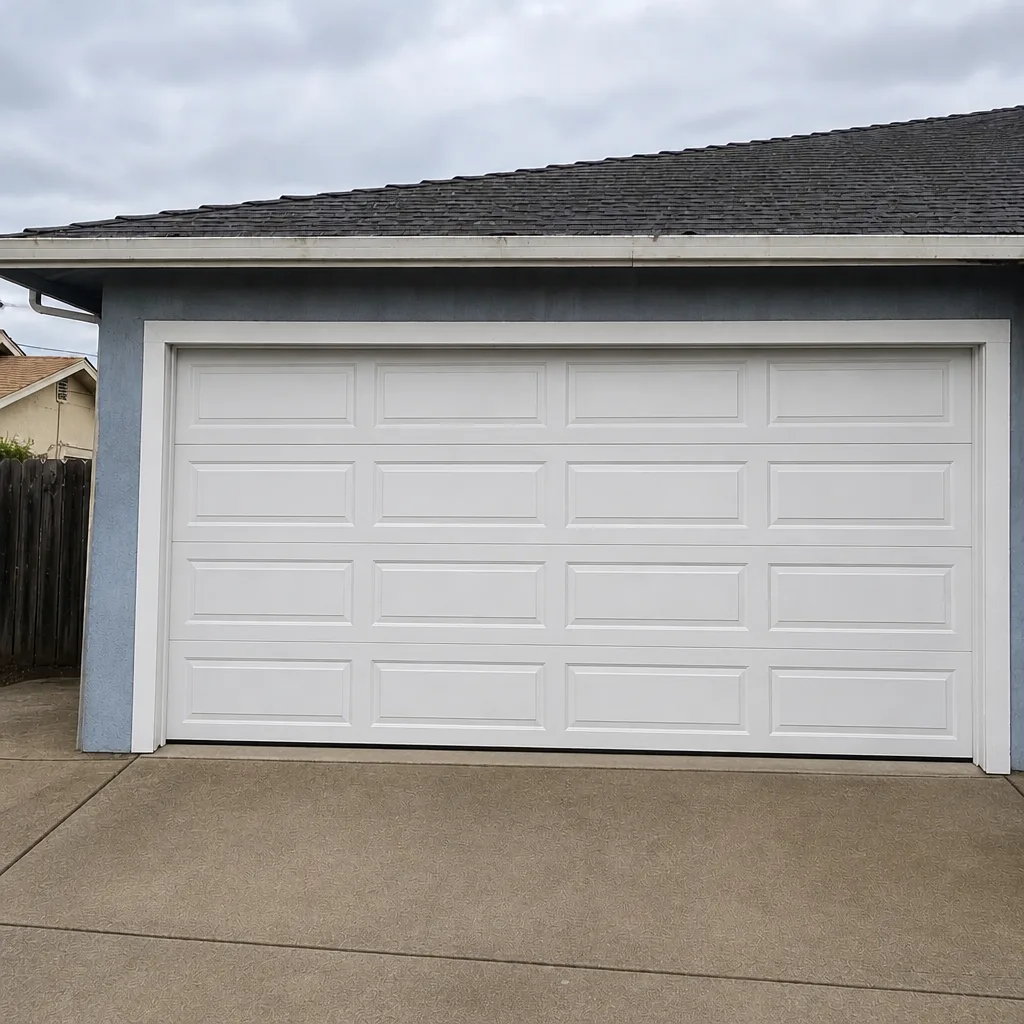
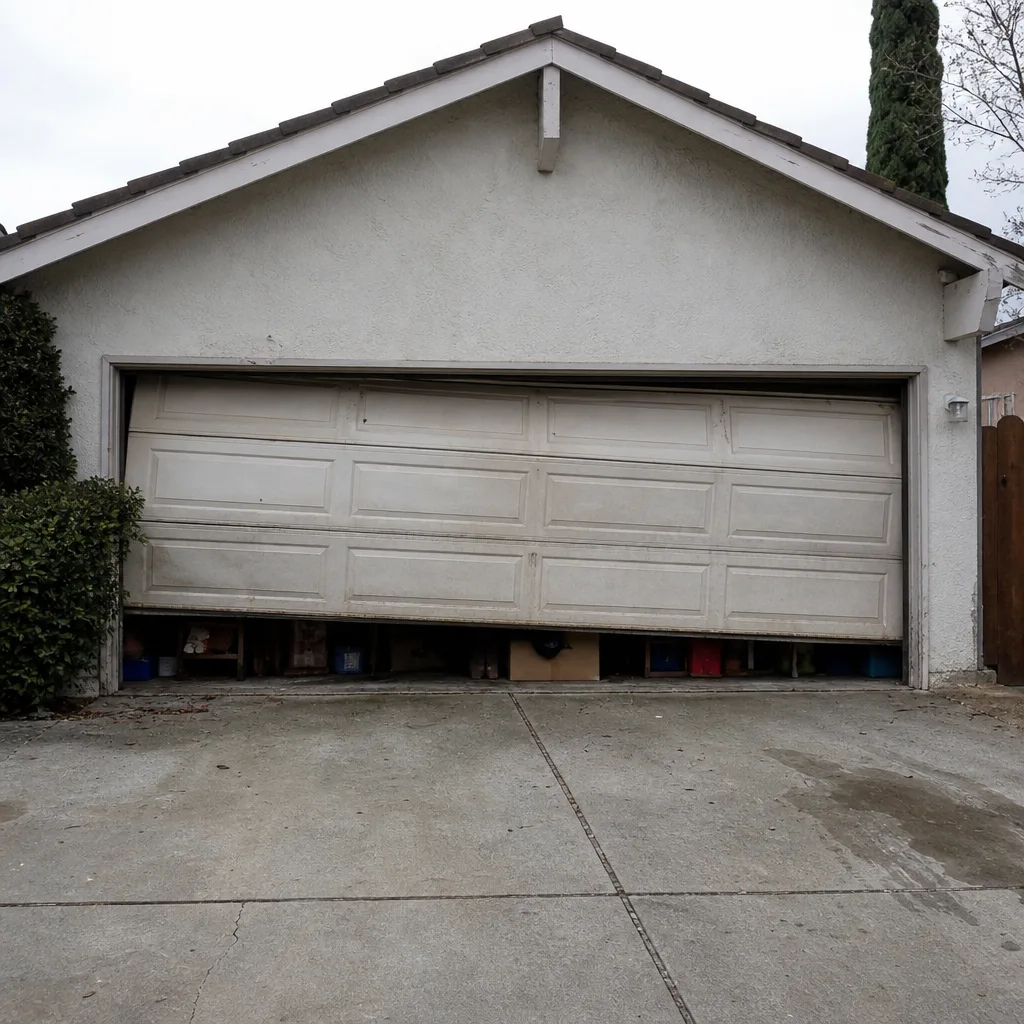
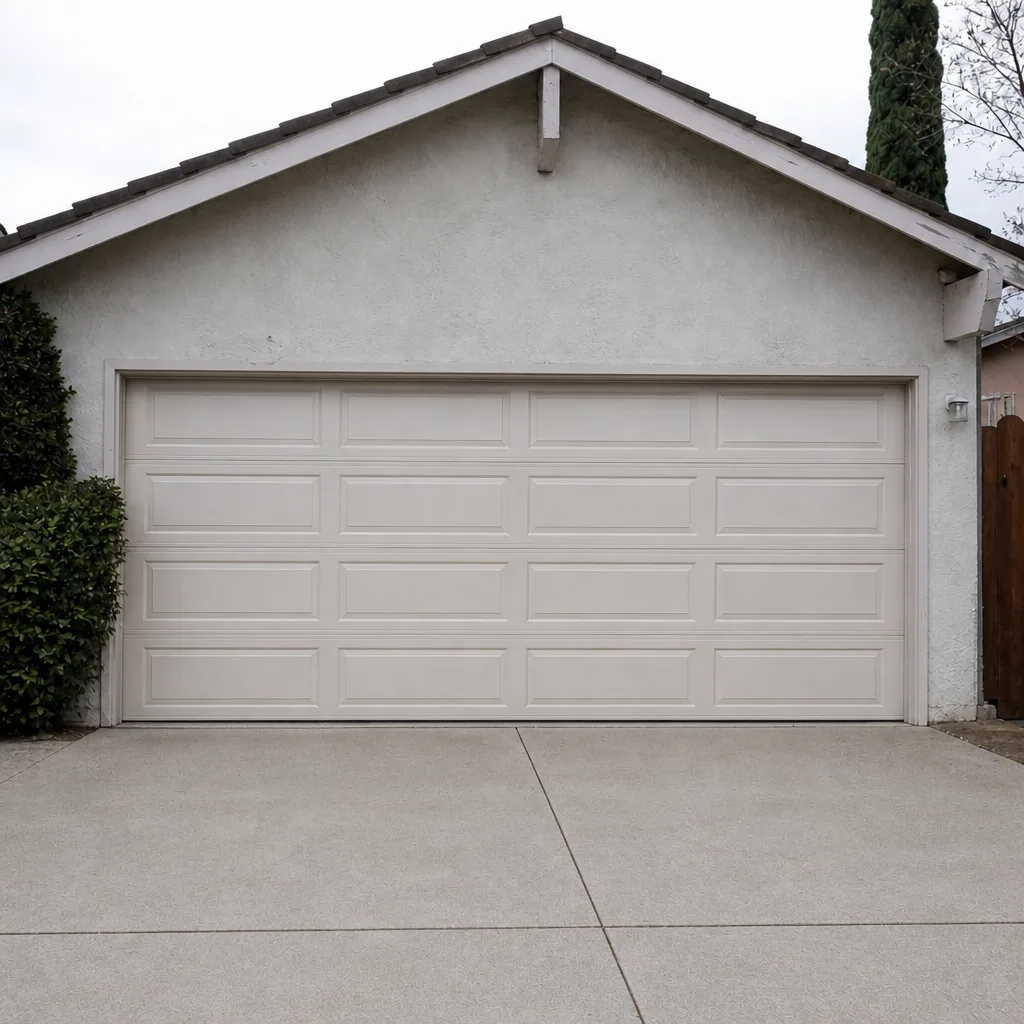
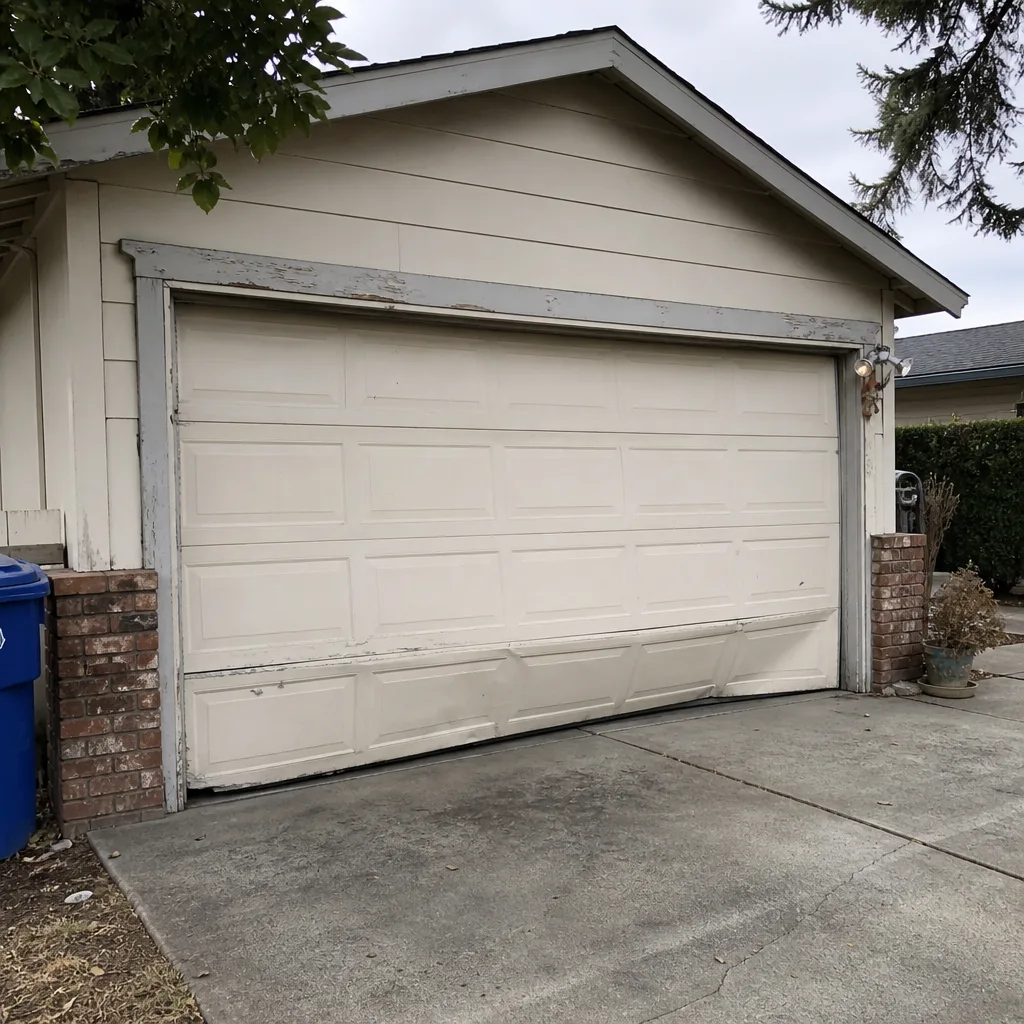
See the difference
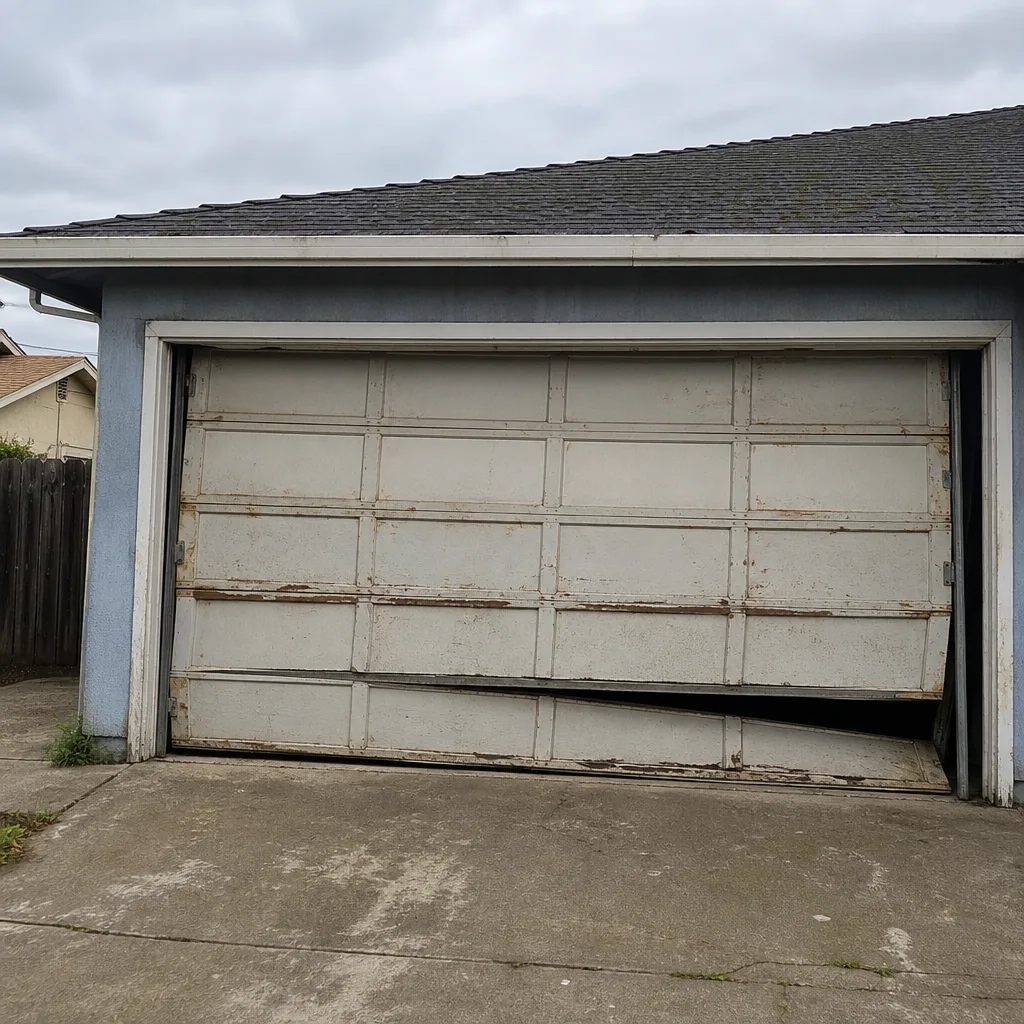 Before
 After
 Before
 After
 Before
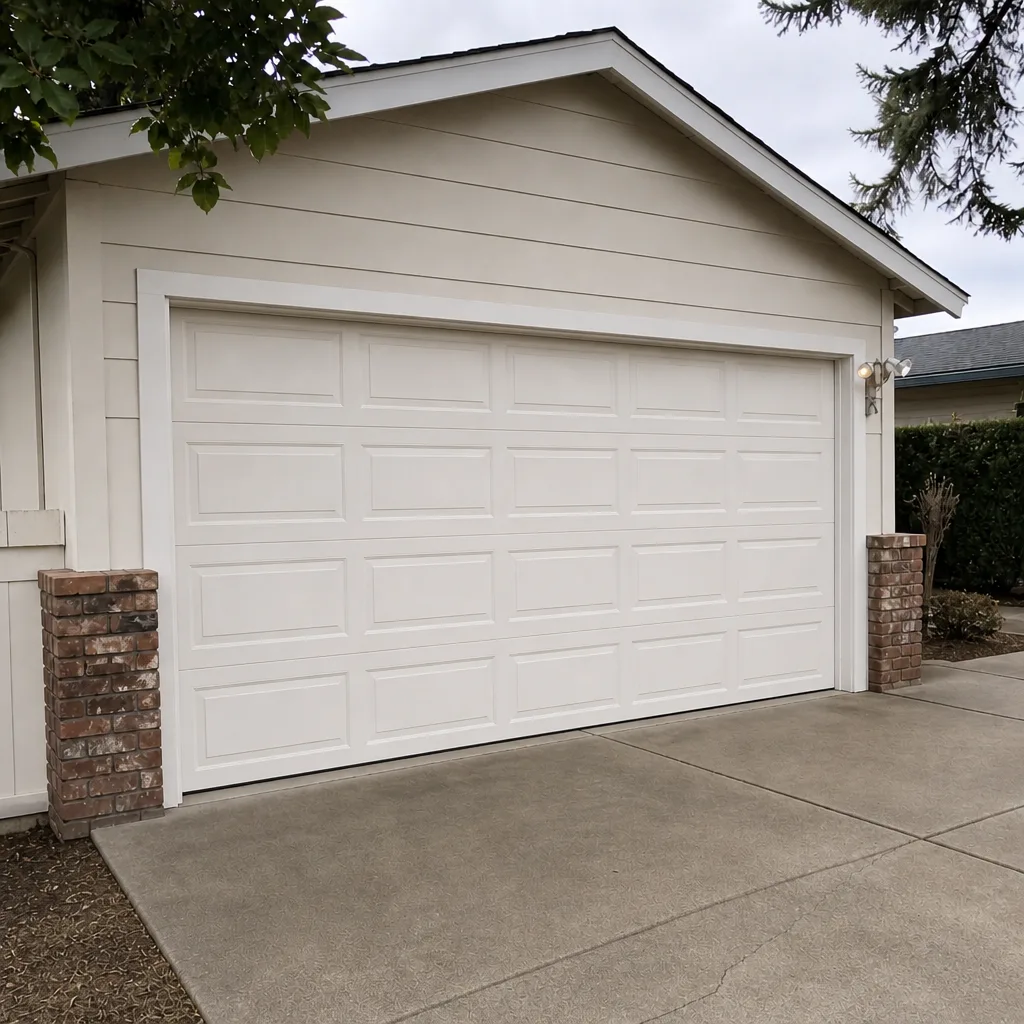 After
Frequently Asked Questions
For most Stockton homes, LiftMaster and Chamberlain lead on openers because parts are easy to source locally and service is straightforward, while Clopay and Amarr tend to hold paint finish better under Central Valley UV. The honest answer is that the “best” brand is the one your local technician can service and source parts for quickly, because that’s what keeps the door working through year ten. Call (877) 405-9570 for a free estimate – we’ll tell you honestly what fits your existing setup.
Less than most people think. LiftMaster, Chamberlain, Genie, and Craftsman share a lot of engineering, and parts interchange more than the marketing suggests. What matters is whether the parts for your specific model are still available and whether the technician knows the system. Our technicians have up to 12 years of experience across all of these brands.
It depends entirely on the model, not the brand. Mainstream LiftMaster, Chamberlain, and Genie models usually have quick parts turnaround. Discontinued or orphan models can take much longer or require hunting for used components. Call (877) 405-9570 and we’ll give you a straight answer for your specific opener.
Usually the door sections against manufacturing defects, plus hardware and sometimes the motor, for the original purchaser. It almost never covers dents, impact damage, or finish fade, and self-installation or unapproved parts void it. Ask for the actual warranty document before you buy – not the marketing summary.
Repair usually wins unless the door panels are structurally failing or the finish is already chalked beyond recovery. Springs, rollers, hinges, and openers are all repairable, and repair keeps more of the original door in service. Call (877) 405-9570 for a free estimate and we’ll tell you which path makes sense for your door.
Almost certainly. We’re trained on LiftMaster, Chamberlain, Genie, Clopay, Amarr, Wayne Dalton, Craftsman, and Raynor, and our job is to work on what you have, not what’s convenient for us to sell. If you’re not sure of the brand, bring the model number from the opener housing and we can identify it.
The Bottom Line
Buy the door brand with the best finish and warranty language for your budget, buy the opener brand your local technician can source parts for quickly, and skip the marketing that pushes you toward one label. In Stockton, that means paying attention to how a brand handles UV and dust, asking about specific-model parts availability before you sign, and reading the actual warranty document instead of the summary. The brand matters less than the technician who services it, the parts that are actually available, and the written estimate that sets the price before any work starts. That’s the whole test.
Call (877) 405-9570 for a free estimate. We answer 24/7. Fast dispatch from 7am to 7pm, Sunday through Friday.
Written by the team at Marigold Garage Door Repair.