
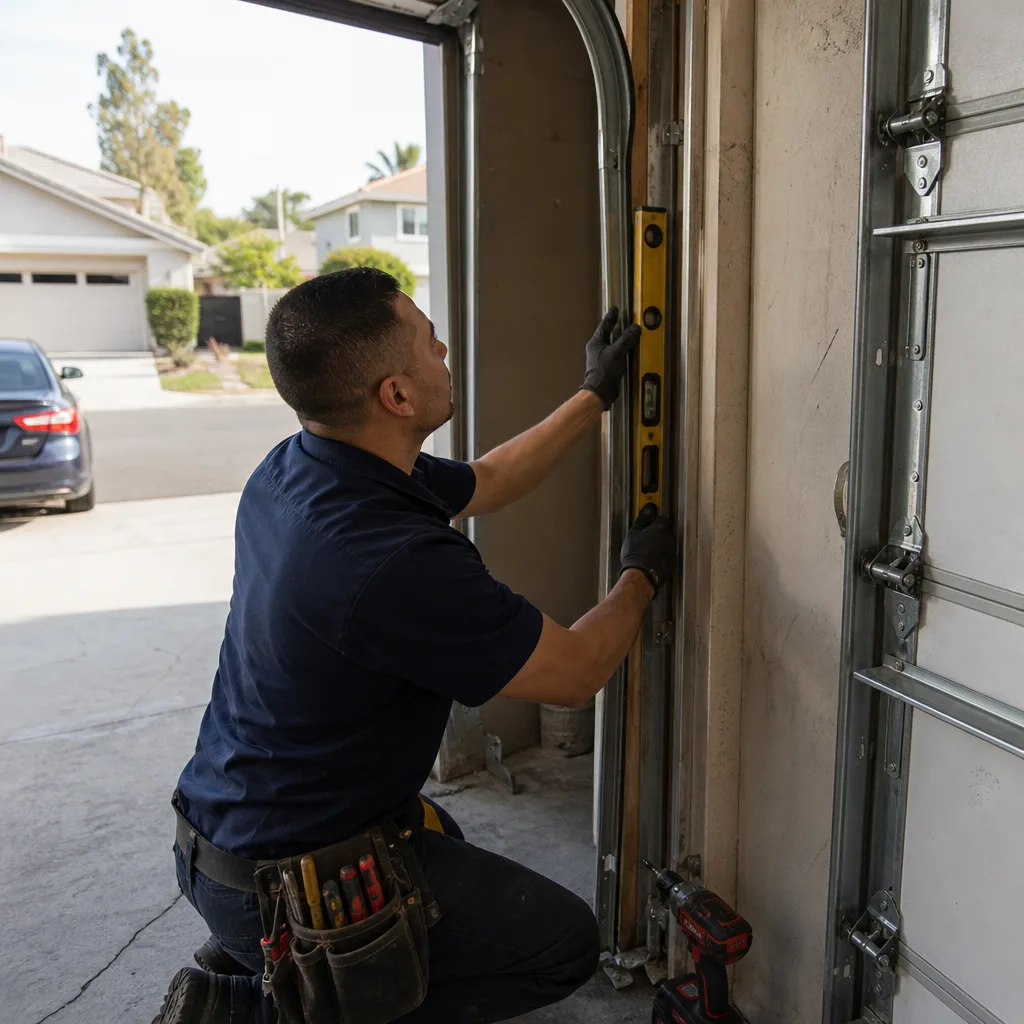
Last updated November 15, 2026
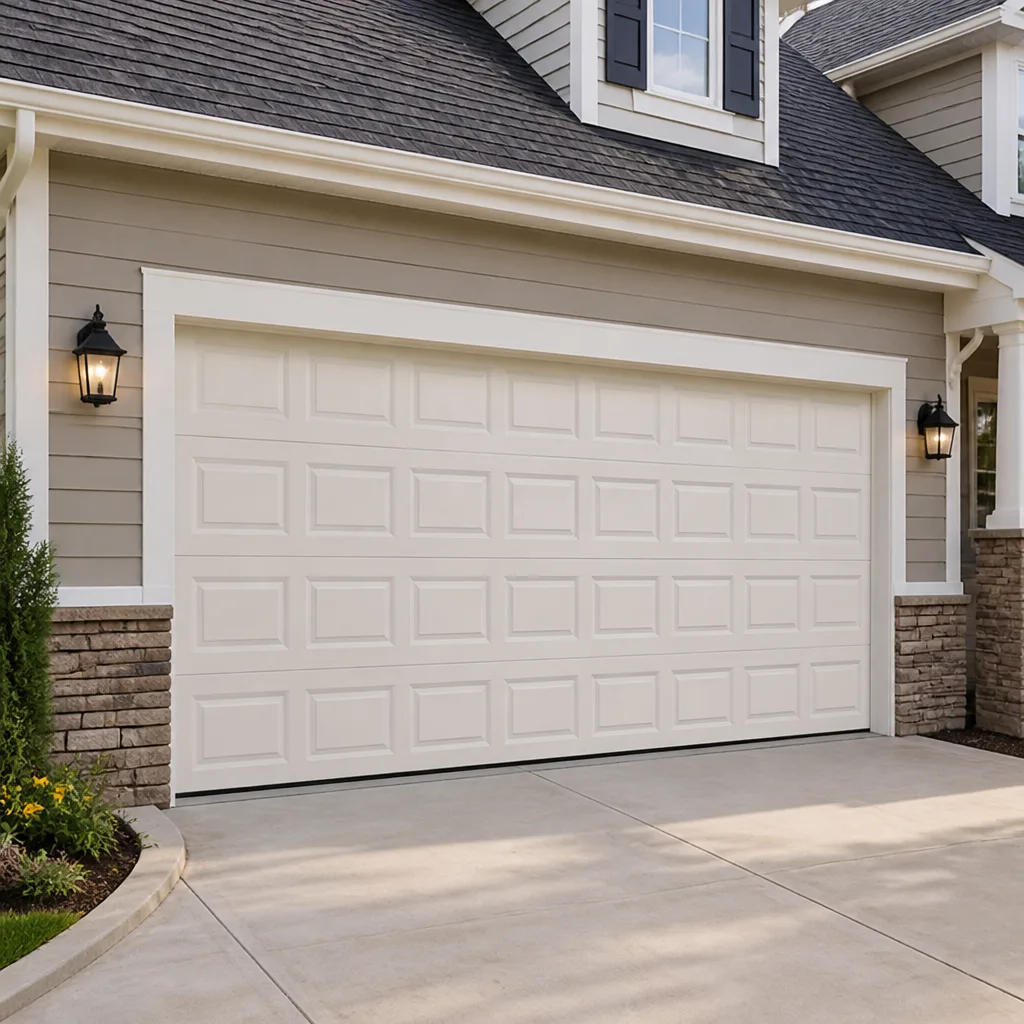 Raised-panel steel
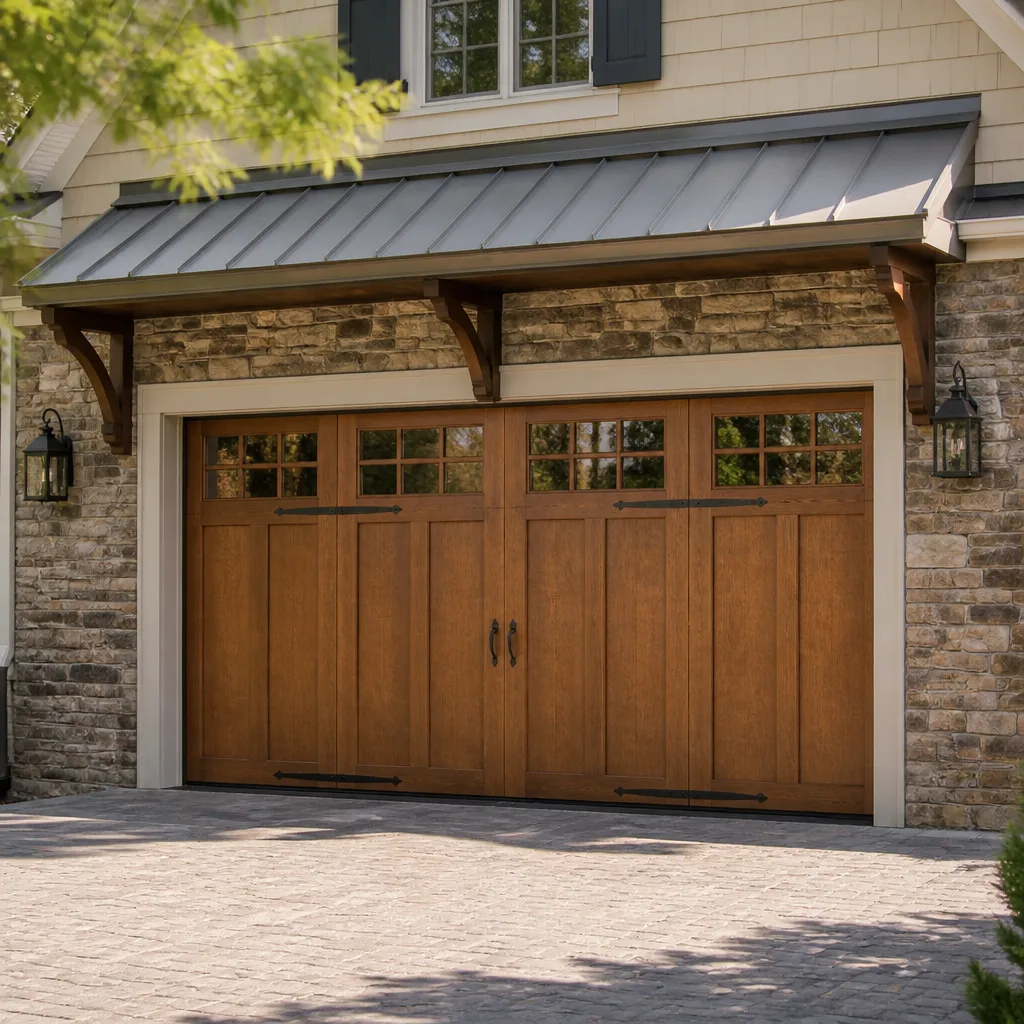 Carriage house
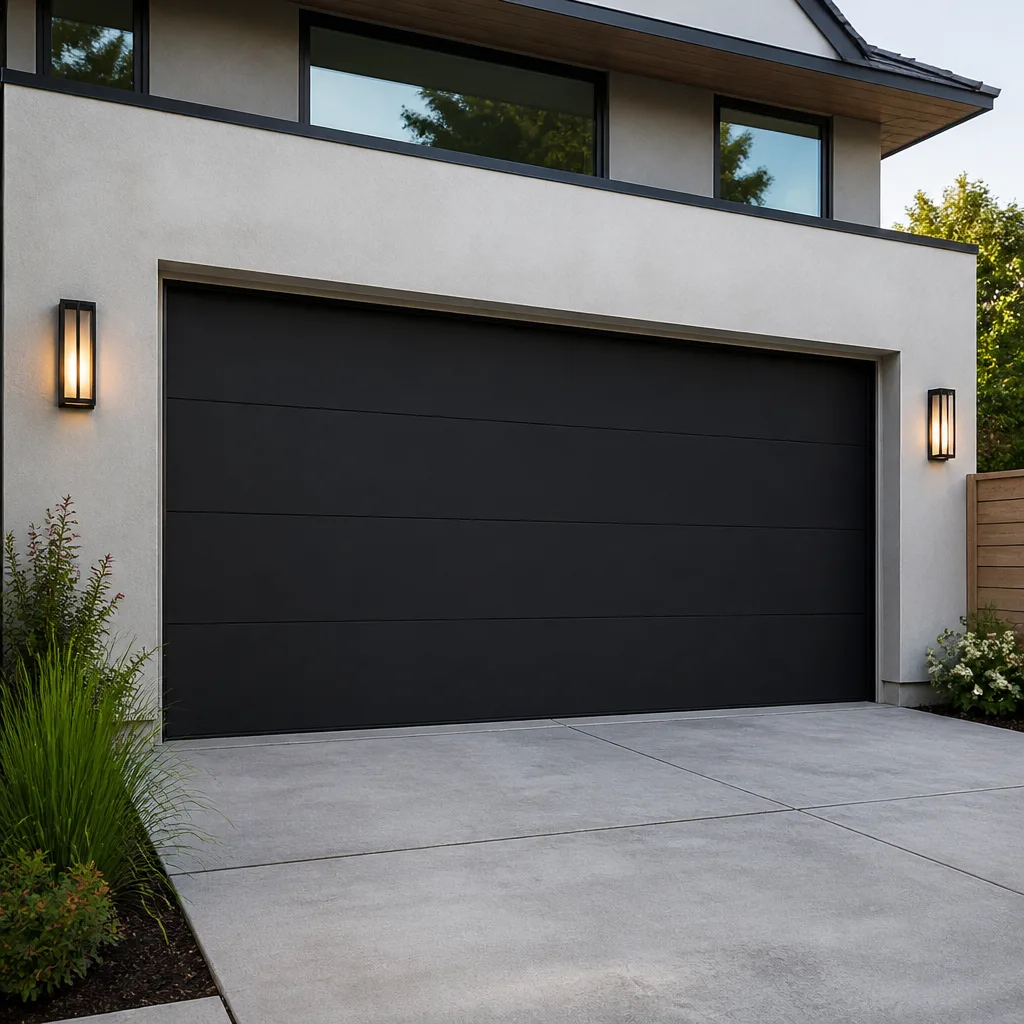 Modern flush
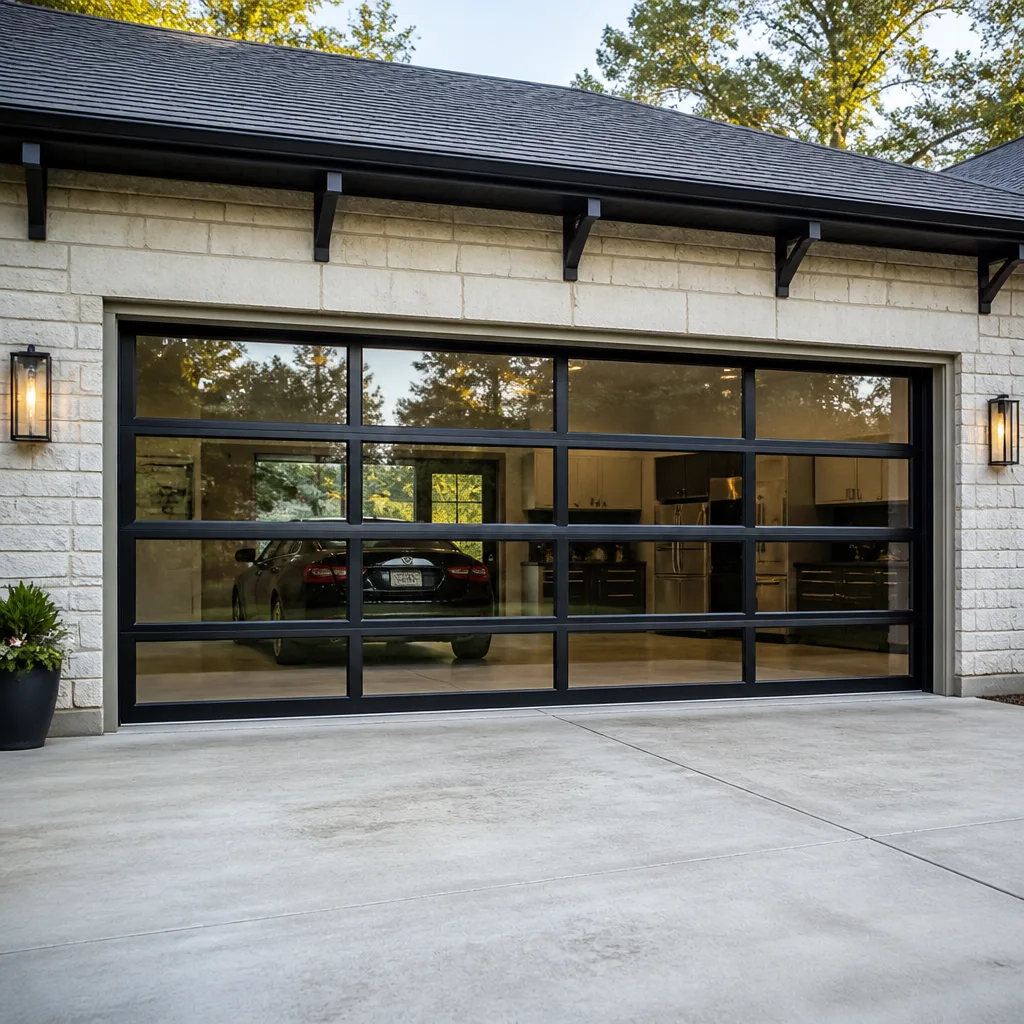 Full-view glass
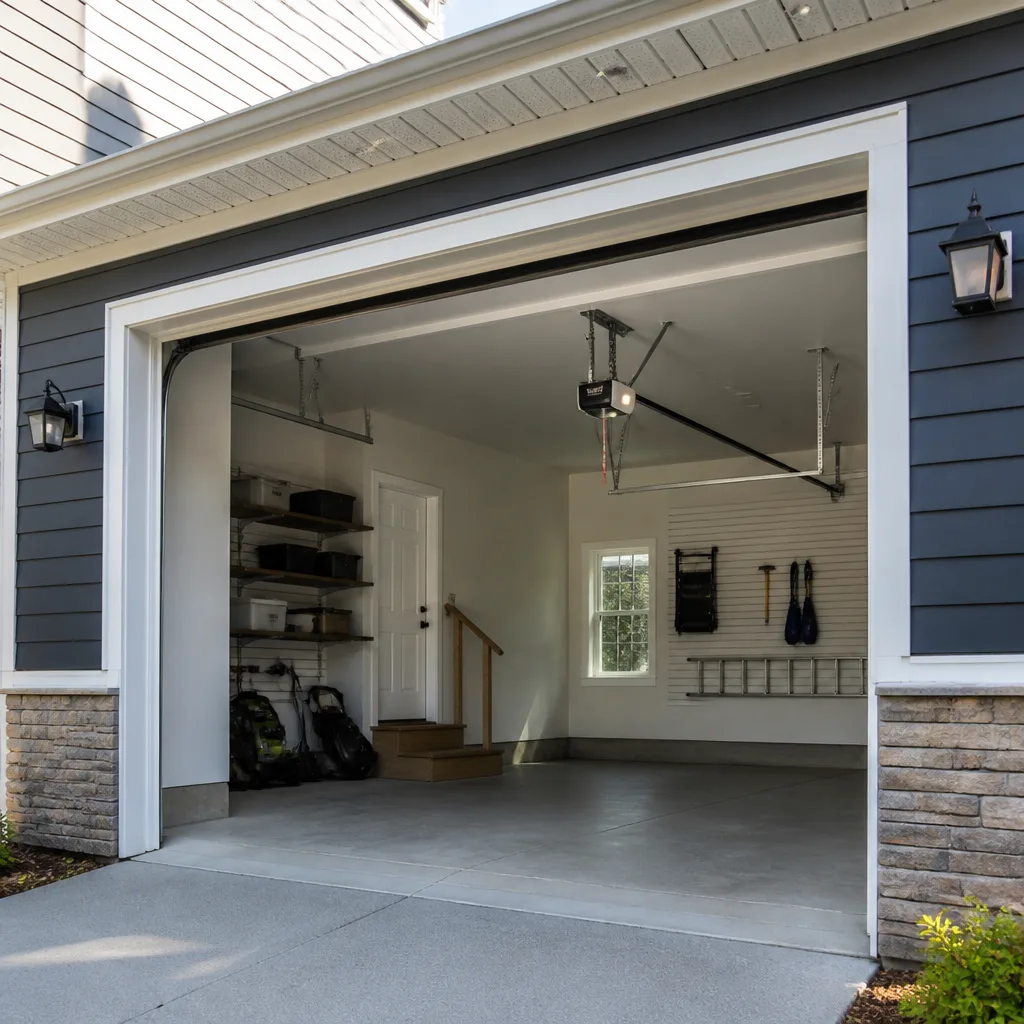 LiftMaster openers
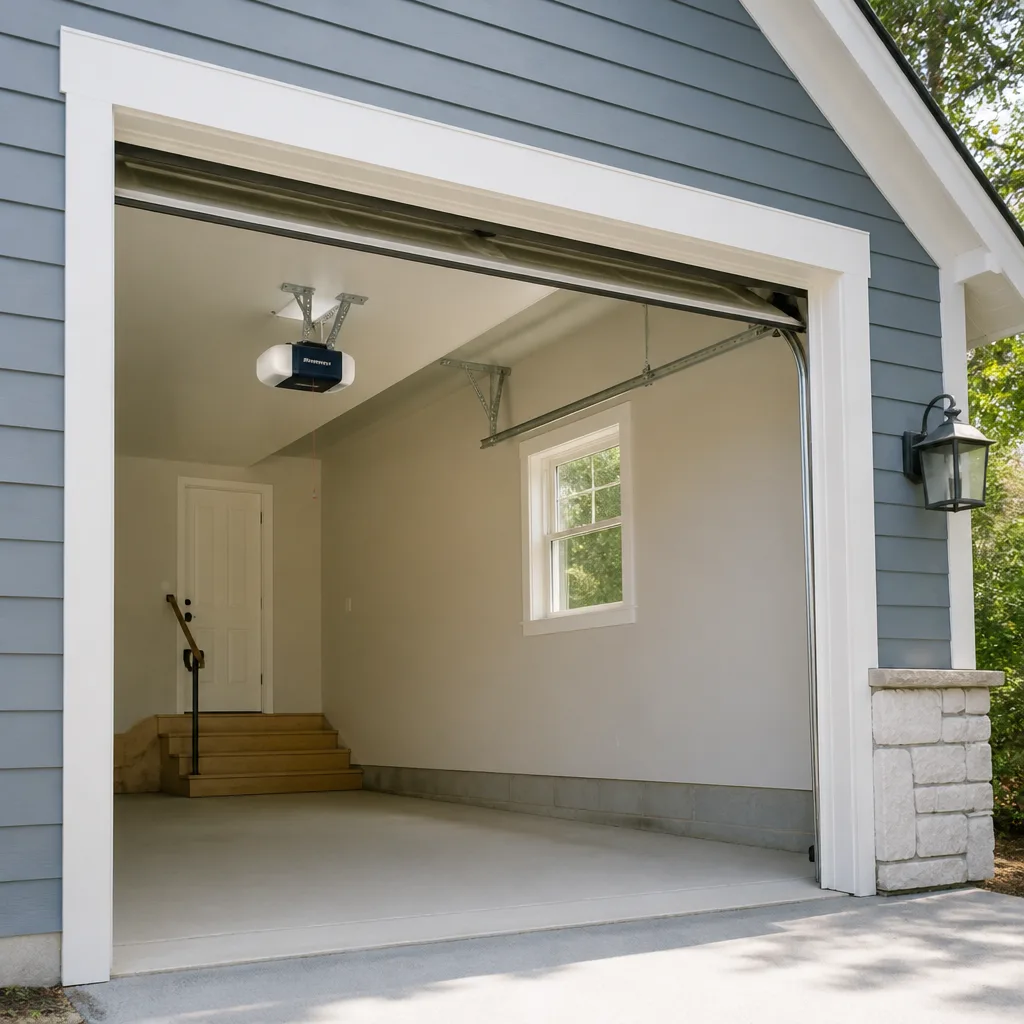 Chamberlain openers
Full 25-point door and opener safety check with every visit - springs, cables, rollers, tracks, and your LiftMaster or Chamberlain opener included
You get a price before we start. It does not change when the pro arrives.
Get your free estimateGarage Door Emergency Preparedness Guide for Stockton Homes
When the power goes out in Stockton, the first thing most homeowners blame is the opener. In our experience, that’s rarely the problem. The opener is dead because the electricity is out, and the door is fine. What strands people is that they’ve never pulled the manual release cord, or they’ve pulled it and can’t get the carriage to re-engage once the power returns. Preparing for a garage door emergency takes about twenty minutes of practice, a couple of small checks, and knowing what to tell a technician. This guide walks through all of it: safe manual operation, what to inspect after an earthquake, how to secure an open or forced door, and what to have ready before you call.
Quick Answer
Garage door emergencies in Stockton mostly come down to three things: no power, a door knocked off its track or out of balance by seismic movement, or a door left open after a break-in attempt. You can handle the power case yourself once you’ve practiced the manual release and know how to re-engage the carriage. Off-track and forced-entry situations call for a professional, because a door under spring tension can be dangerous to touch. Call (877) 405-9570. We answer 24/7. Fast dispatch from 7am to 7pm, Sunday through Friday.
Styles & brands we work with
- Raised-panel steel
- Carriage house
- Modern flush
- Full-view glass
- LiftMaster openers
- Chamberlain openers
Table of Contents
- How to Operate the Manual Release on Common Opener Brands
- Power Outage Prep: Battery Backup and How to Test It
- After an Earthquake: What to Inspect Before You Operate the Door
- If the Door Fails Open or Shows Signs of Forced Entry
- What Happens When You Call and What to Have Ready
- Why Springs and Cables Are Never a DIY Emergency
- How to Re-Engage the Carriage After a Manual Release
How to Operate the Manual Release on Common Opener Brands
The manual release is the red cord hanging from the trolley that runs along the center rail. Pulling it disconnects the door from the opener so you can lift it by hand. Almost every residential opener in Stockton homes has one, including the garage door opener repair setups we see on LiftMaster, Chamberlain, Genie, and Craftsman units. The tool is the same across brands; where the brands differ is in how the carriage re-engages afterward.
Before you pull the cord, understand what happens next. Once released, the door is dead weight. A properly balanced door lifts with one hand and stays where you put it. A door with a failing spring becomes heavy fast, and you don’t want to find that out while standing under it. Test the weight first with the door released a little, not all the way.
- Close the door fully and switch off the opener using the wall control or the opener’s power switch.
- Pull the red release cord downward at a slight angle toward the door. You’ll hear the carriage click free.
- Lift the door slowly by the handle. If it feels heavy, stop and lower it gently. Call a professional instead of forcing it.
- Open or close the door by hand, then lower it fully when finished.
Several common brands, including Genie and LiftMaster, use a trolley you re-engage by running the opener while the door is fully closed. Others, like some Wayne Dalton and Chamberlain models, want you to manually push the carriage back toward the opener until it snaps in. When in doubt, the opener’s manual has a diagram. If you don’t have the manual, our technicians can walk you through your specific model over the phone. Stockton homeowners often discover their opener is a brand they didn’t know they had until they look at the label.
Power Outage Prep: Battery Backup and How to Test It
A few hours of preparation before a power outage is the difference between a stressful morning and a shrug. If your opener has a battery backup, test it now. Don’t wait for an outage to find out the battery died two years ago. This is the single most useful piece of prep a Stockton homeowner can do, and it takes about five minutes.
Battery backup openers are worth the upgrade if your current opener doesn’t have one. Stockton sees its share of outages from heat, wind, and grid strain, and each one leaves you manually operating a door in the dark if you don’t have backup. When you have it, the door works normally for a set number of open-and-close cycles during an outage. You’ll usually notice the opener behaving slowly or the battery beeping when it wants attention.
How to test your battery backup
- Locate the battery compartment on the opener head. Some models have an internal battery; others use an external pack.
- Check the indicator light. Most units show a solid or green light when the battery is healthy and an amber or red light when it needs replacement.
- Press the wall control or remote. The door should move at normal speed. A slow lift usually indicates a weak battery.
- Cut power at the breaker for a moment, then try the remote. If the door moves, the backup works. Restore power afterward.
If your opener doesn’t have a backup, the manual release (above) is your fallback. Practice it once when nothing is wrong. The first time you pull a release cord should not be during an outage at 6am with the car trapped inside. This is also a good moment to confirm your opener is a brand our technicians are trained on. We work on LiftMaster, Chamberlain, Genie, Clopay, Amarr, Wayne Dalton, Craftsman, and Raynor, and the battery backup options differ by model.
After an Earthquake: What to Inspect Before You Operate the Door
Stockton sits in an active seismic region, and a garage door is one of the more vulnerable pieces of a house during shaking. The door is a large, heavy panel riding on tracks, held up by springs and cables. A quake can nudge a roller out of its track, shift a track out of alignment, or add enough stress to a weakened spring that it fails the next time you open the door. Inspect before you operate. It’s the safest habit you can build.
What to check, in order
- Look at the tracks first. Stand back and see if the vertical or horizontal track is bent, bowed, or separated from its mounting brackets. If it is, don’t open the door.
- Check that the rollers are seated. Each roller should sit inside its track channel. A roller popped out means the door can bind and fall.
- Look at the springs. On torsion springs (the coiled ones above the door), a break shows as a visible gap in the coil. On extension springs (the long ones running alongside the track), check for stretched or broken loops. Never reach up to touch a spring to test it.
- Check the cables. They should run cleanly from the drums to the bottom corners. A cable off its drum or lying loose is a stop sign.
- Check the door panels. Panels should be straight. A bent panel means the door may bind and the opener may strain.
- Test the balance by hand only after the checks above pass. Release the carriage and lift the door halfway. It should stay put. A door that slams down needs professional attention before you use the opener.
If anything looks off, don’t open the door, don’t try to force it, and don’t try to bend a track back into place by hand. A door under spring tension can cause serious injury, and the fix in most cases is straightforward once a technician sees it. Call (877) 405-9570 and describe what you found. We answer 24/7, and we’ll tell you whether the situation can wait or needs fast dispatch from 7am to 7pm.
If the Door Fails Open or Shows Signs of Forced Entry
A garage door that won’t close, or that’s been pried open by someone trying to break in, leaves the entire house exposed. This is a specific Stockton problem during summer heat waves, when more people leave the garage cracked for airflow, and during any period when the house is empty. The first priority is closing the opening, not diagnosing the door.
Immediate steps to secure the opening
- Don’t touch a door that has been forced. Panels can be bent, the spring may be under abnormal tension, and the opener may be stuck between states.
- Close the door manually if the release works and the door isn’t binding. Lower it fully and lock the carriage if there’s a lock feature.
- If the door won’t close, block the opening from the inside with something heavy and stable (a vehicle, a loaded shelving unit, plywood braced across the frame). Don’t leave the house unsecured.
- Call the police if there’s clear sign of an attempt, then call us. We can’t investigate, but we can restore the door to a secure state once it’s safe to work on it.
- Check the opener afterward. A forced door sometimes leaves the opener’s travel limits out of calibration, which can cause the door to reverse mid-close. That’s a symptom to fix, not to ignore.
If your door fails in the open position because of a broken spring or a snapped cable, the opener won’t lift it and you can’t safely push it down. That’s the classic case where a technician needs to come out and get the door closed. If you’re concerned about break-ins in your neighborhood, the two upgrades worth considering are a locking bar or slide bolt on the manual release side, and an opener with MyQ or similar app-based monitoring so you know the door’s state when you’re not home. We can talk through what fits your existing opener brand, whether it’s a Genie, a Craftman, or a LiftMaster.
What Happens When You Call and What to Have Ready
A technician who shows up already knowing your opener’s model, the door’s brand, and the specific symptom gets to the fix faster. You can cut five or ten minutes off the visit by having three things ready when you call, and it makes the estimate more accurate too. Here’s what we ask for.
What to have ready
- The opener model. Look for the label on the back or underside of the opener head unit. Note the brand and model number. If you can’t find it, a photo of the label works.
- The door brand and size. The door has a label inside the frame or on the bottom panel. Common brands in Stockton include Clopay, Amarr, and Wayne Dalton. A rough width and height helps too.
- The symptom, in plain language. “Opener hums but door doesn’t move” and “door goes up an inch and reverses” are the kind of descriptions that help us arrive prepared. “It’s broken” is less useful.
- Photos or a short video. A photo of the door from the outside, one of the opener, and one of the springs above the door. Video of the door in motion helps if it moves.
- Your address and gate code if you have one. So the technician isn’t calling from the driveway.
We quote the price before any work starts. You’ll know the cost of the repair, what it includes, and what the alternative (if there is one) would cost. If the fix is a repair, we’ll tell you that. If it’s a replacement, we’ll explain why and let you decide. The written estimate sets the final price.
Why Springs and Cables Are Never a DIY Emergency
We want to be direct about this: garage door springs and cables are the one part of the system you should never work on yourself. The spring holds the full weight of the door, often several hundred pounds, and it’s stored under tension. A spring that releases suddenly can cause serious injury even if you’ve watched a video that made it look manageable. There’s no version of this repair that’s a good idea for a homeowner, no matter how handy you are with other parts of the house.
What you can safely do: identify whether the problem is a spring in the first place, and know when to stop. If the door feels heavy when you lift it by hand after releasing the carriage, or you can see a gap in the coil or a snapped cable, stop. Don’t run the opener, don’t try to close the door by force, and don’t try to unwind or rewind anything. Call us.
The same logic applies to the electrical side of the opener. The opener head has line voltage running into it, and swapping a control board or working on the transformer without proper training isn’t a homeowner task. We can tell you over the phone if what you’re describing sounds like an opener electronics issue or a mechanical one, and we’ll give you an honest read. If it’s a garage door repair job, we schedule it. If it’s an opener issue, we handle that too, and you don’t need a second company. Our technicians have up to 12 years of experience on spring, cable, track, and opener work, and they’ll tell you honestly whether the door needs a repair or is ready for a replacement.
How to Re-Engage the Carriage After a Manual Release
The second-most-common reason Stockton homeowners can’t get their door working after an outage is that they pulled the release and can’t get the carriage back on. It’s usually a two-minute fix once you know which method your opener uses. The release disconnects the trolley from the door; re-engaging reconnects it so the opener can move the door again.
Two methods, depending on your opener
- Run the opener with the door closed. On LiftMaster, Chamberlain, and many Craftsman units, close the door fully by hand, then press the wall control or remote. The opener runs the carriage back to the closed position and the trolley snaps in on its own.
- Push the carriage manually. On Genie and some older models, the carriage needs to be pushed back toward the opener head by hand until it clicks into the trolley. Do this with the door fully closed.
- Test after re-engaging. Run the door up and down once. It should move smoothly and stop fully at both limits. If it stops short or reverses, the travel limits need adjustment or the carriage isn’t fully seated.
If you can’t get the carriage to re-engage, don’t force it. Sometimes the trolley has shifted or the release mechanism is worn, and forcing it can damage the carriage assembly. That’s an opener repair situation we handle as part of our three service lanes. You don’t need a second company to look at it. Our technicians are trained on all the common brands in Stockton homes, so whether your opener is a Genie or a LiftMaster, we know how it goes back together.
Common Mistakes to Avoid
- Pulling the manual release with the door half-open. Always release with the door fully closed. Releasing mid-travel can drop the door or send it up fast, and re-engaging is harder.
- Testing the balance of a door you haven’t inspected. After an earthquake especially, look at the tracks, rollers, springs, and cables before you release the carriage. A door that was damaged but still on the track can fall on your car or on you.
- Running the opener after a loud snap. If you hear a spring or cable break, the opener is now lifting the full weight of the door, and it will strain or strip the gear. Turn it off and call.
- Assuming a dead opener means a bad motor. A blown breaker, a tripped GFCI outlet, or a dead remote battery will look identical at first glance. Check the simplest things first.
- Adding chain lube to the opener rail. Lubricant attracts grit and makes the rail noisy. A dry lubricant is the right call, and only where the manual recommends it.
- Waiting to test battery backup until the power goes out. Test it now. A backup battery that’s three years old and never tested will fail exactly when you need it, typically during a hot Stockton afternoon outage.
- Forgetting to close the door and lock the carriage before leaving for a trip. If a door is left open or on a manual-release state when you’re gone, you come home to a door that won’t respond and maybe a house that’s been entered.
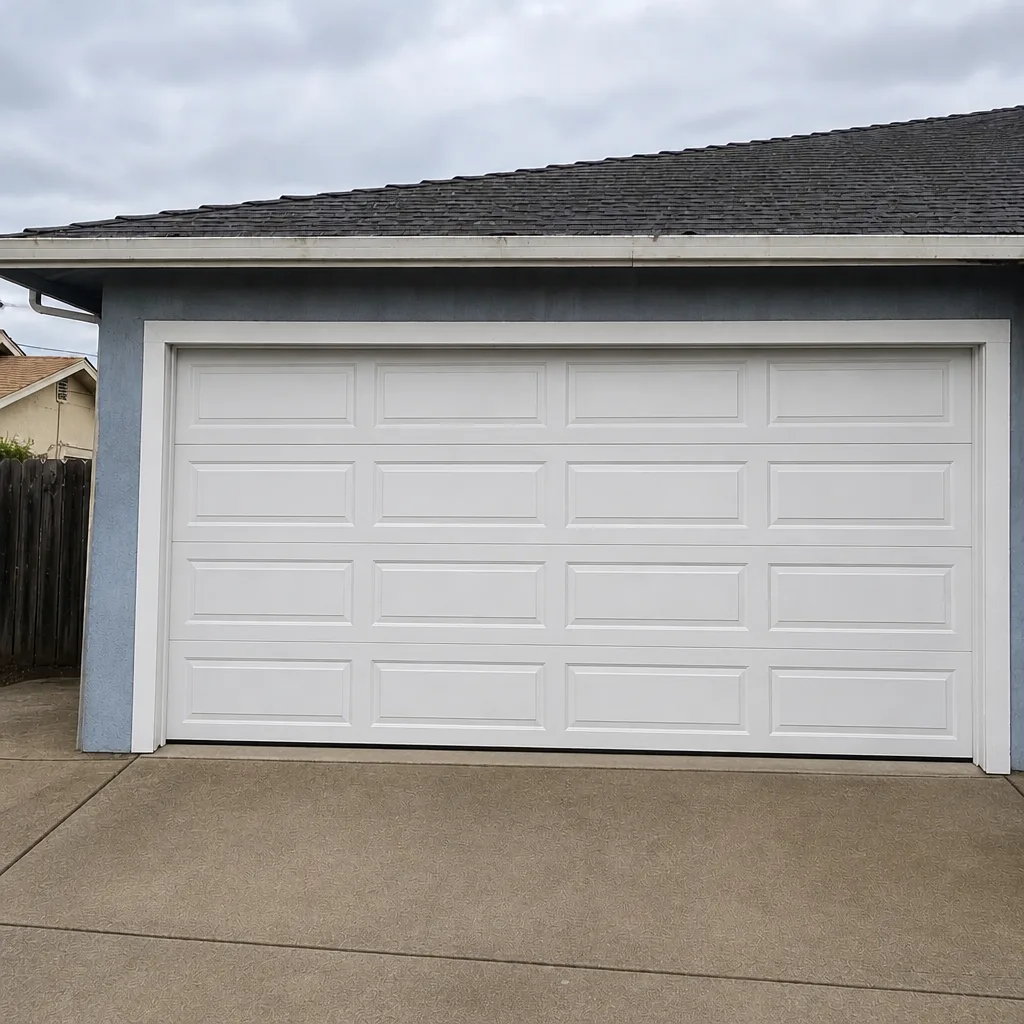
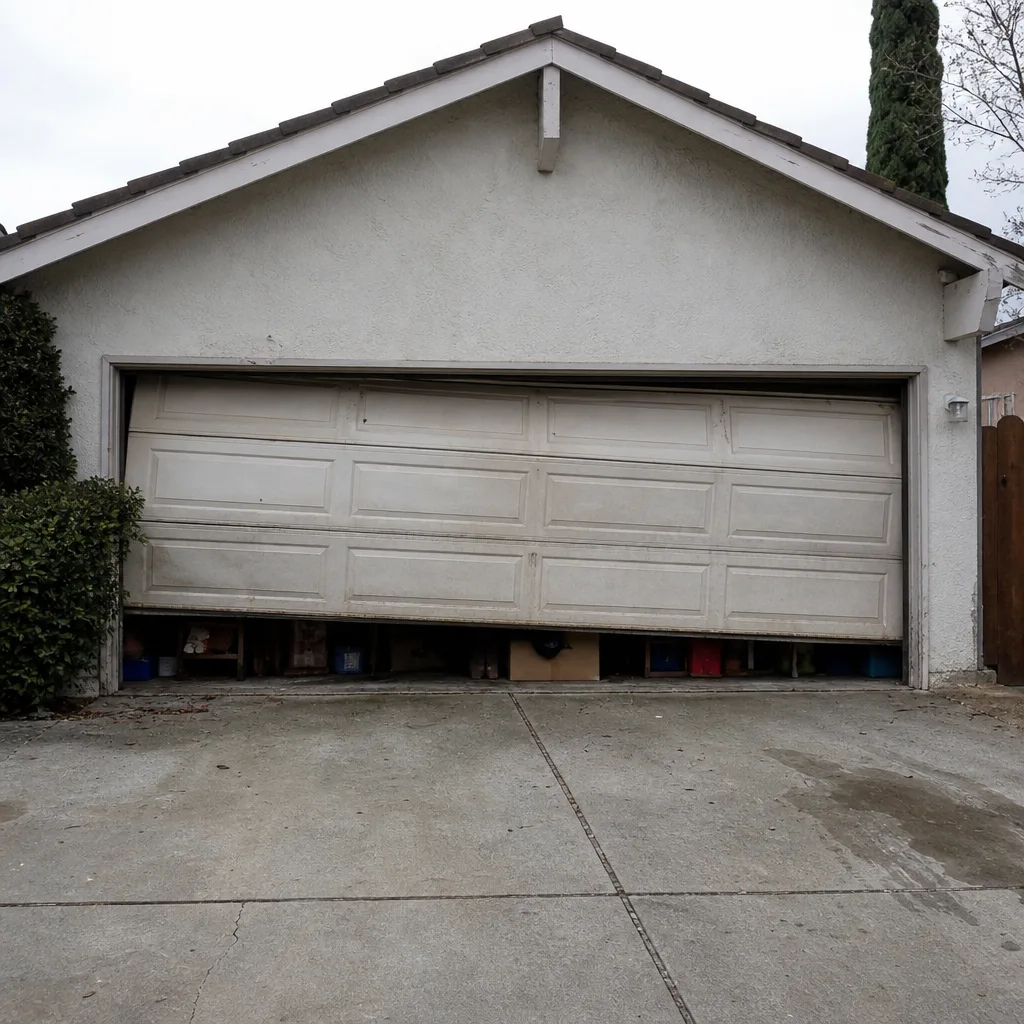
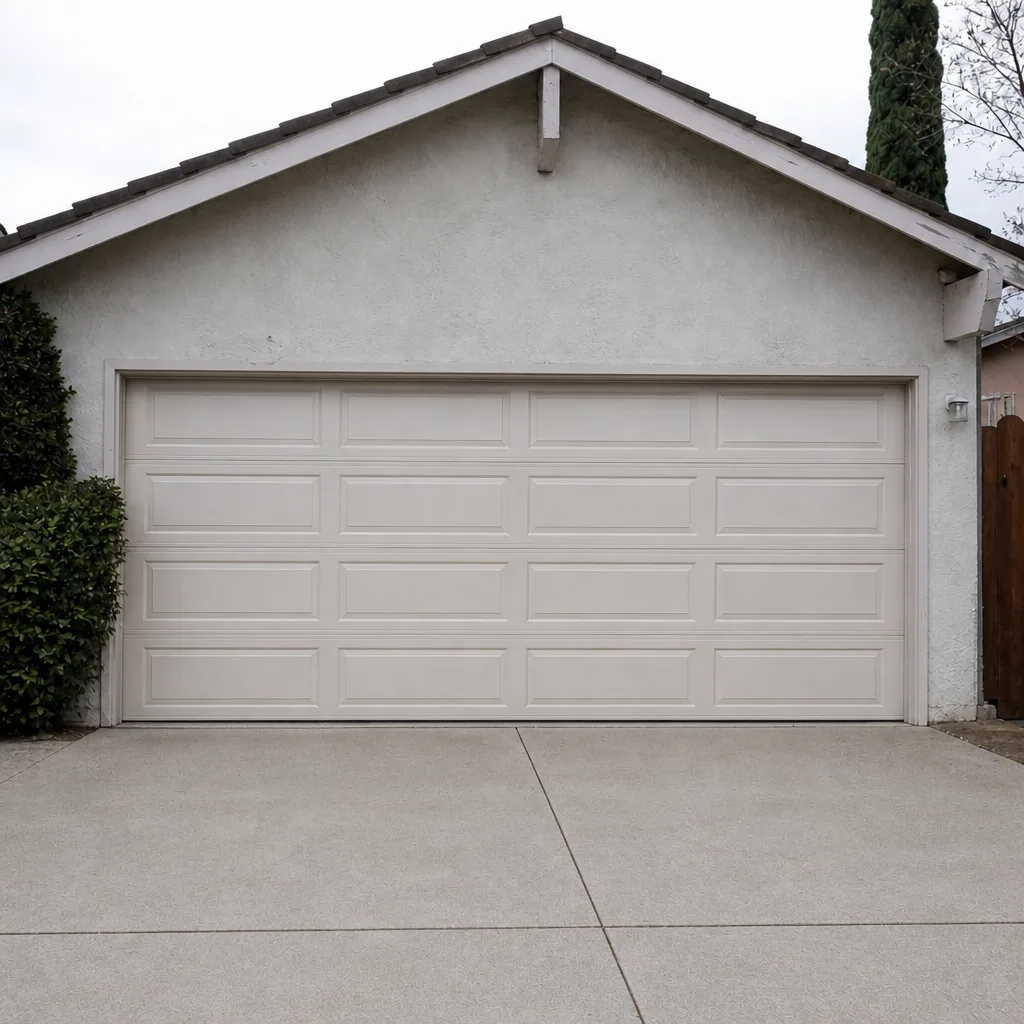
See the difference
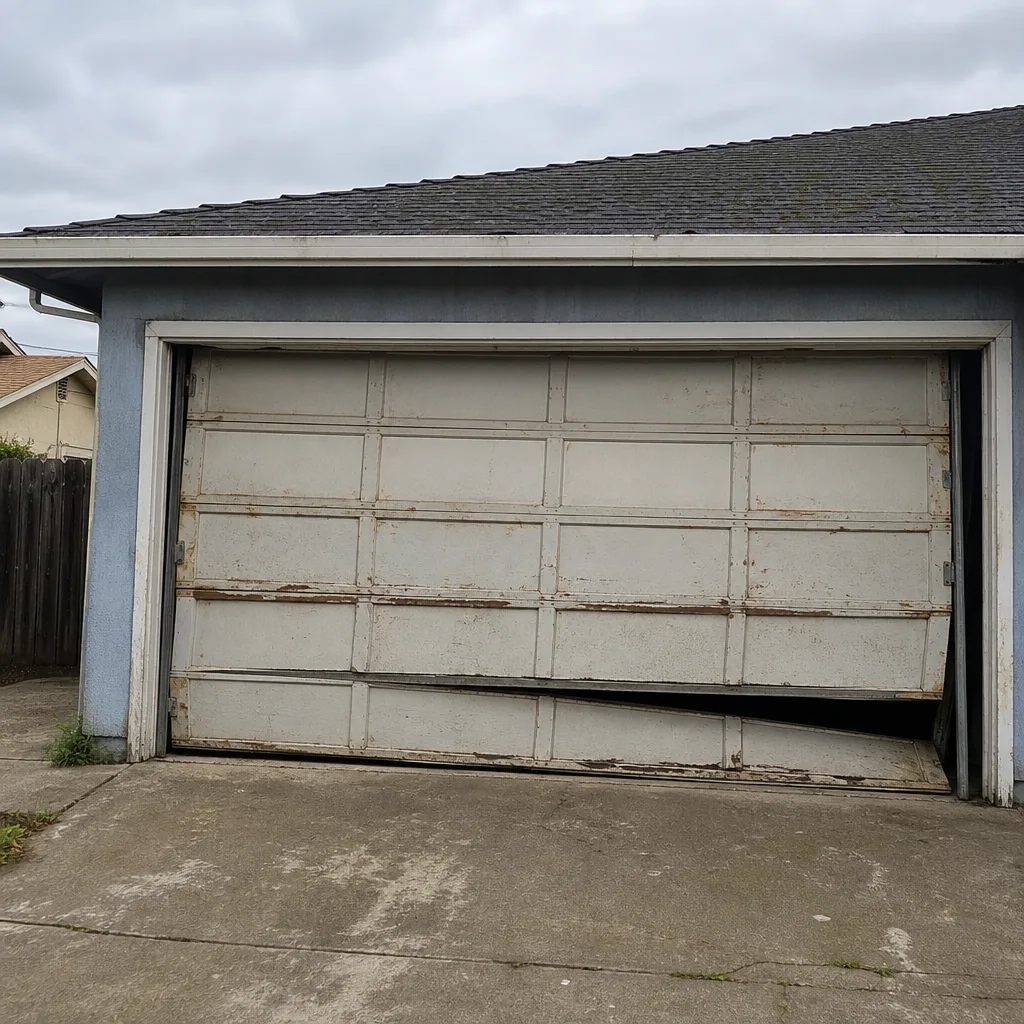 Before
 After
 Before
 After
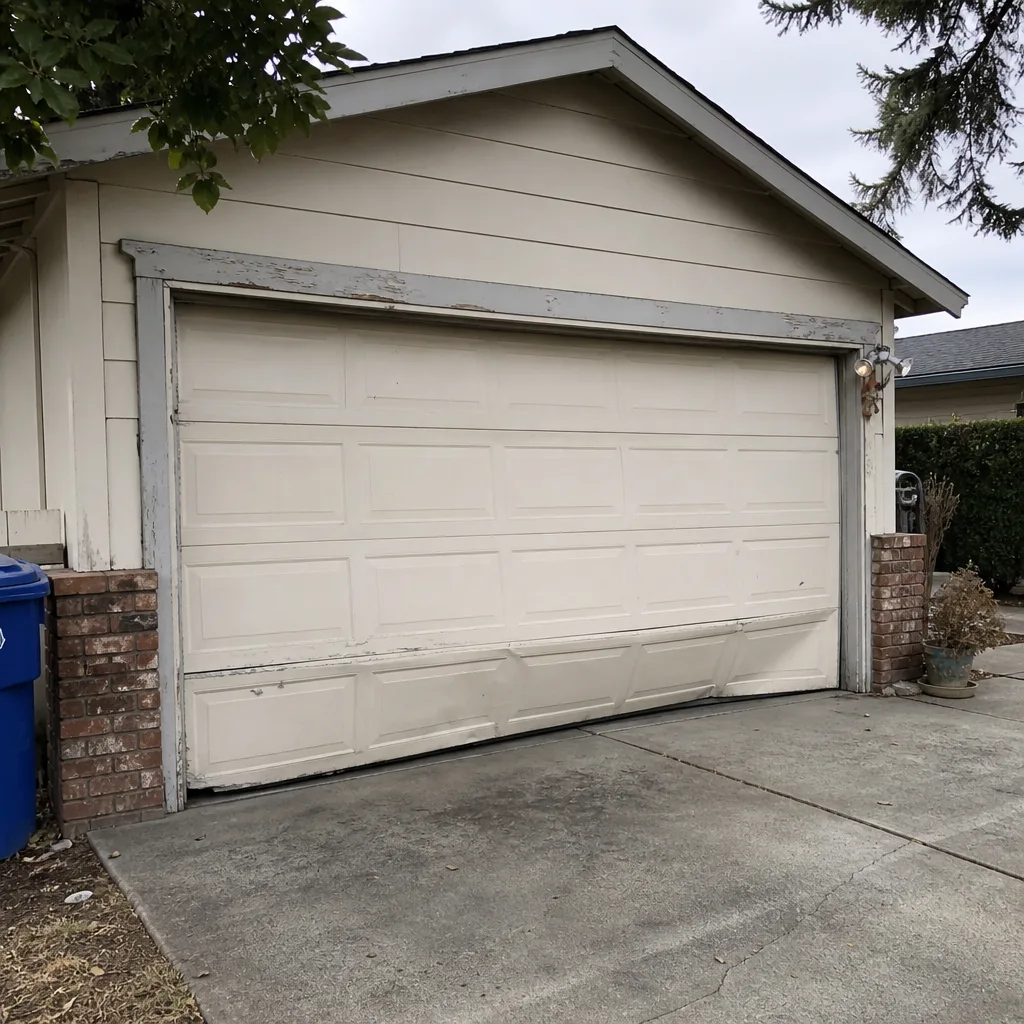 Before
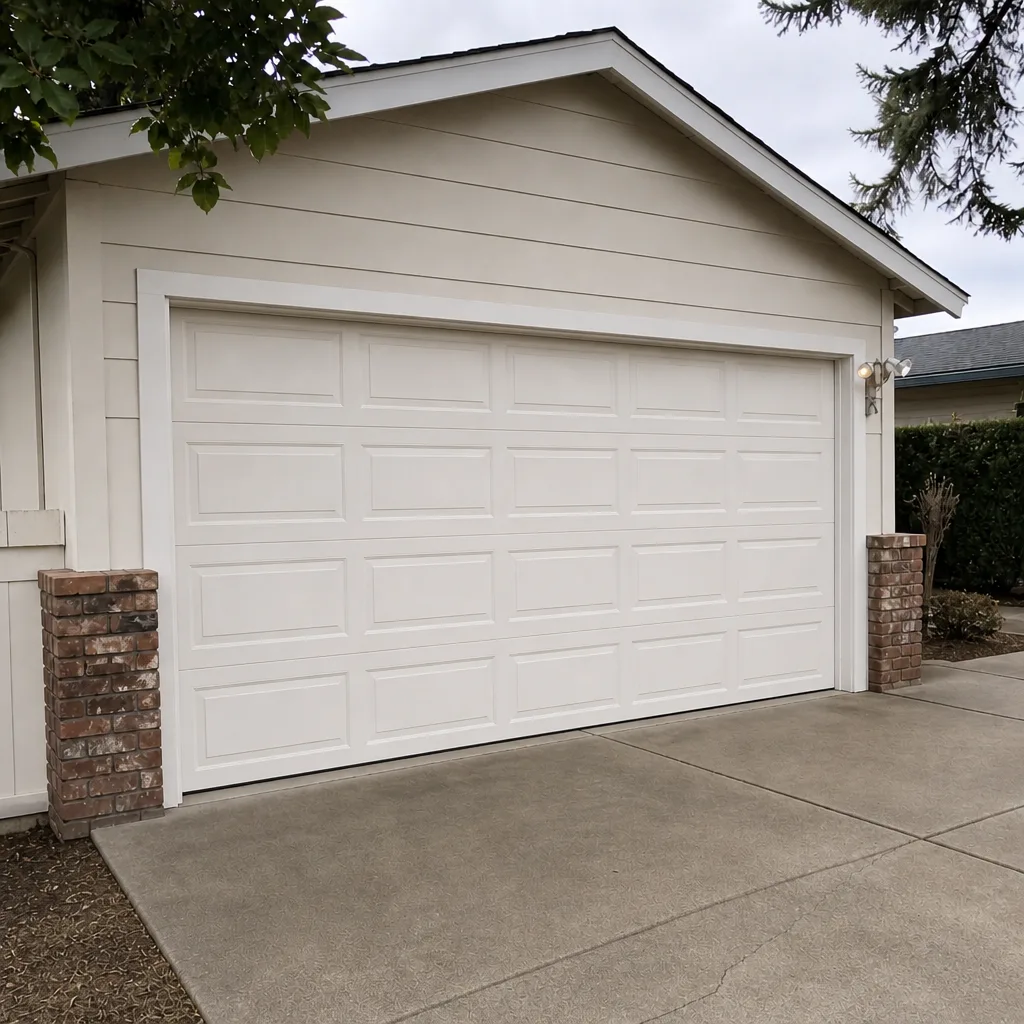 After
When to Call a Professional
Call a professional if the door is off its track, if a spring or cable has broken, if the door feels heavy by hand, if the door reverses or stops short after re-engaging, if the opener hums without moving the door, or if the door has been forced and won’t close securely. Those are the cases where a homeowner trying to fix it risks injury or makes the repair more expensive. For situations that need the door closed tonight, our fast dispatch from 7am to 7pm gets a technician out; for everything else, we schedule a visit and quote the price before any work starts. Marigold Garage Door Repair offers free estimates in Stockton. Call (877) 405-9570. We answer 24/7.
Frequently Asked Questions
Yes, on almost every opener you can. Pull the red manual release cord hanging from the trolley to disconnect the door from the opener, then lift the door by hand. Test the weight first; a door with a failing spring will feel heavy and you should call a technician instead of forcing it. Re-engage the carriage once the power is back.
Look for a battery compartment on the opener head and an indicator light that shows battery health. Most openers with backup have an amber or green light on the front. Cut the power at the breaker for a moment and test the remote; if the door moves, the backup works. If you can’t find the battery, the model number on the label will tell you.
Only after you’ve checked the tracks, rollers, springs, and cables. If a track is bent, a roller is out of the channel, a spring shows a gap, or a cable is loose, don’t operate the door. Those are conditions where the door can fall or bind under strain, and the right move is to call a professional.
Close the door manually if the release works and the door isn’t binding. If it won’t close, block the opening from inside with something heavy and stable so the house isn’t left open. Call the police if there’s clear sign of an attempted break-in, then call a garage door technician to restore the door to a working state.
No. The written estimate sets the final price. We quote the repair before any work starts, so you’ll know what a broken spring, an off-track door, or an opener repair costs before we touch it. If the estimate changes because we find something different, we explain it and get your approval first. Call (877) 405-9570 for an exact quote; estimates are free.
Our technicians are trained on the major brands found in Stockton homes, including LiftMaster, Chamberlain, Genie, Clopay, Amarr, Wayne Dalton, Craftsman, and Raynor. We work on your existing system rather than pushing a brand change. If you have a model we don’t work on, we’ll tell you at the estimate.
The Bottom Line
Garage door emergencies in Stockton come down to three uncomfortable firsts: the first power outage without a backup, the first earthquake that leaves you unsure whether the door is safe to move, and the first break-in attempt that leaves the opening exposed. All three are manageable if you prepare now. Practice the manual release. Test your battery backup. Know what to inspect after a quake. Have your opener model and door brand ready before you call. And leave the springs and cables to a trained technician, because there’s no version of that repair that’s safe for a homeowner. For anything you can’t handle, our Marigold Garage Door Repair team is a call away: (877) 405-9570. We answer 24/7. Fast dispatch from 7am to 7pm, Sunday through Friday. Free estimates, and upfront pricing before any work starts.
Written by the team at Marigold Garage Door Repair.