
Last updated November 15, 2026
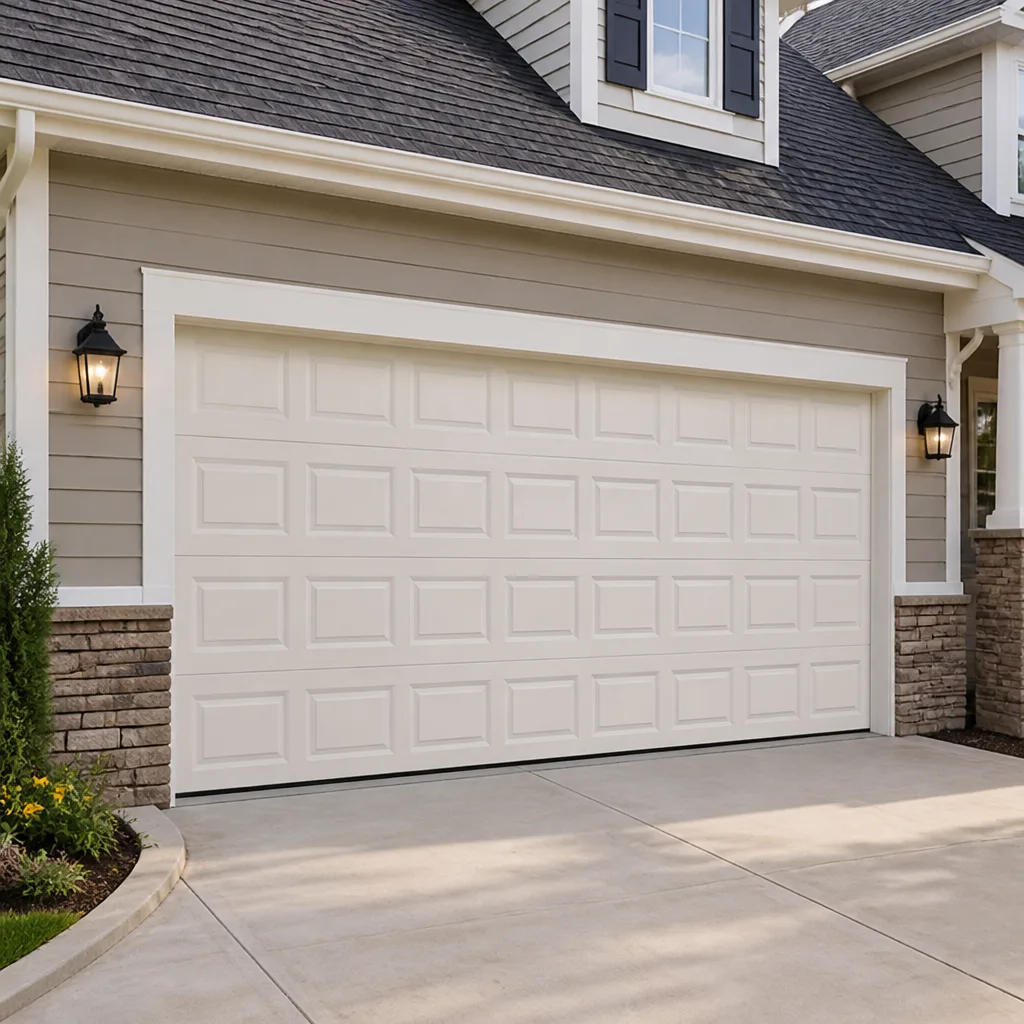 Raised-panel steel
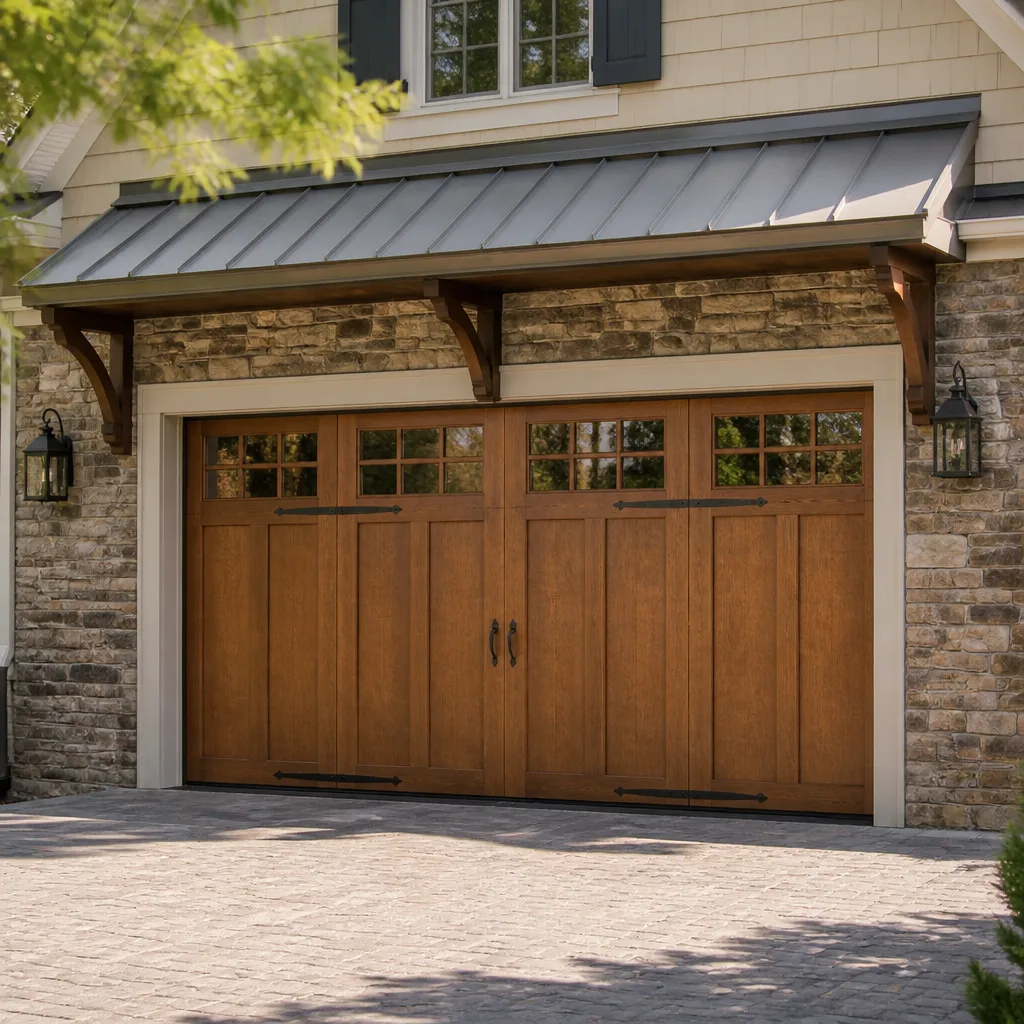 Carriage house
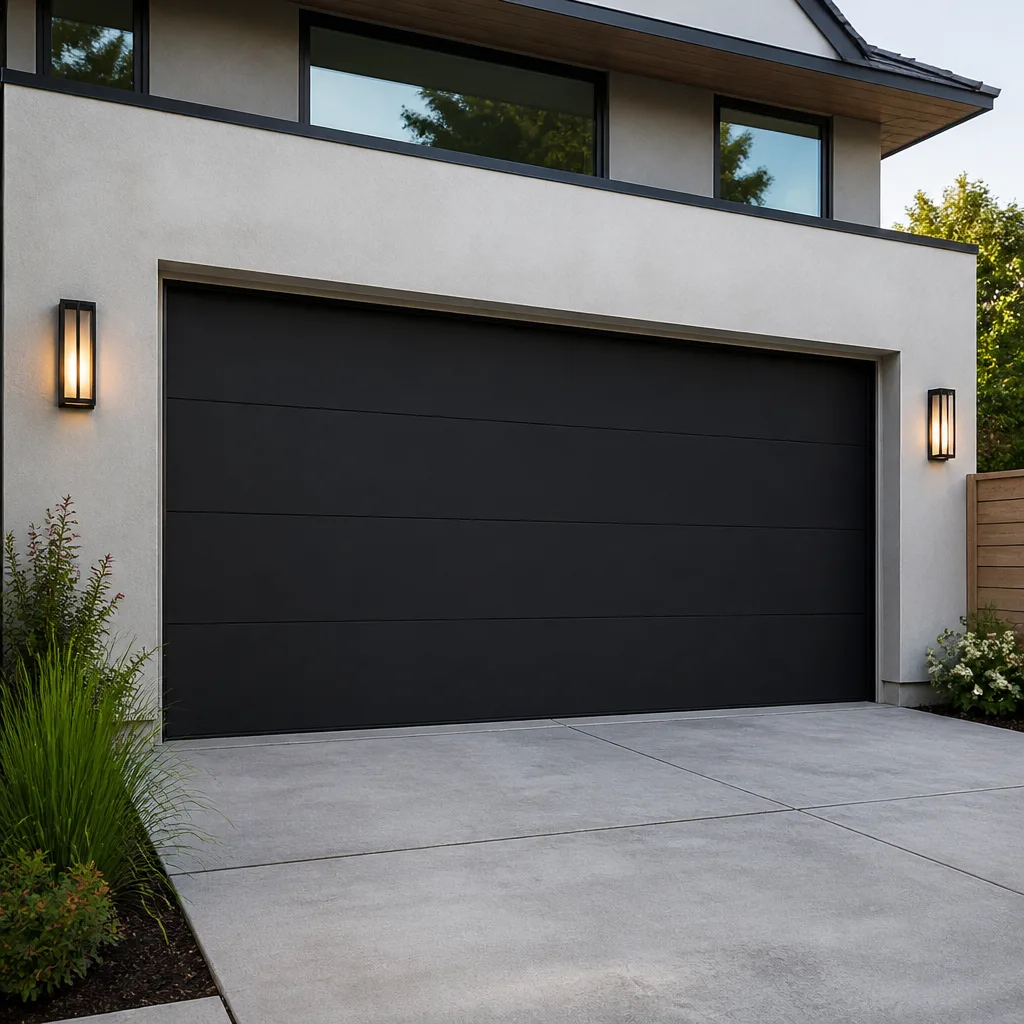 Modern flush
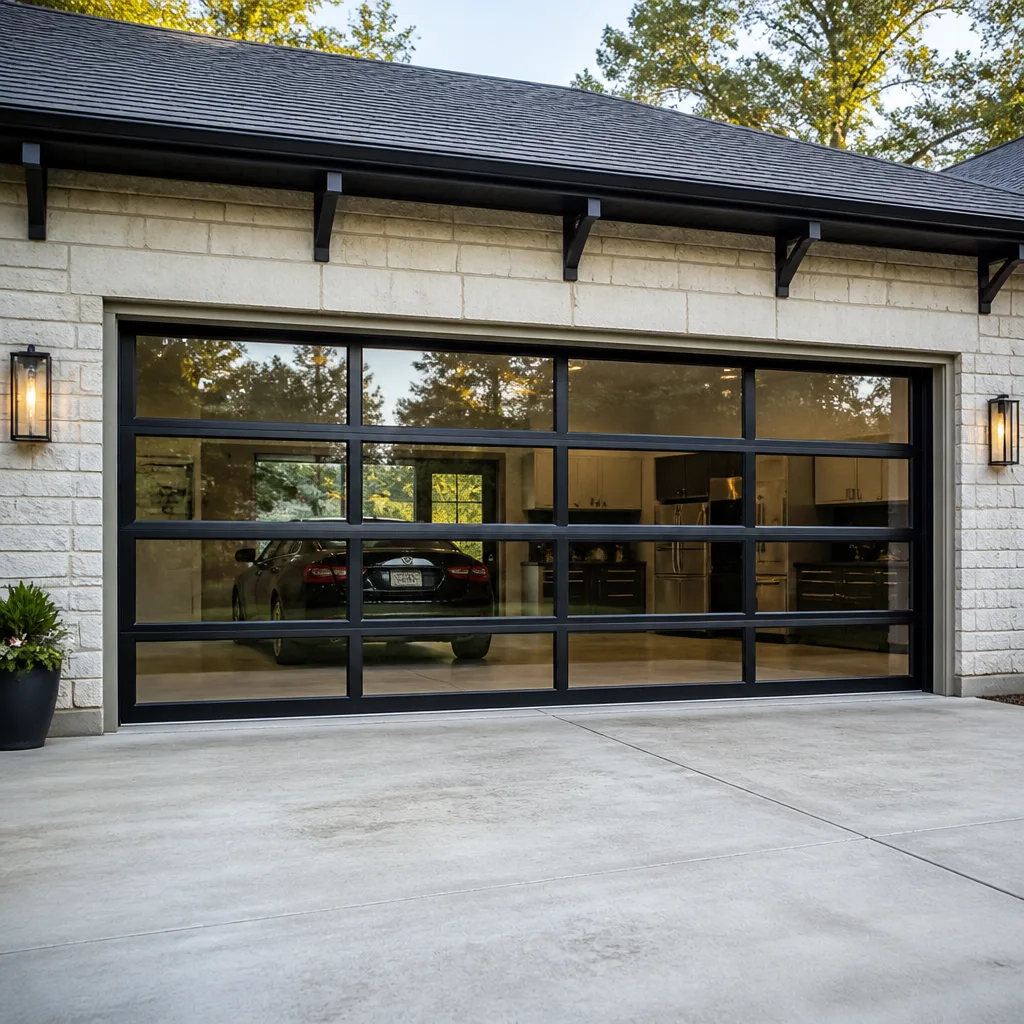 Full-view glass
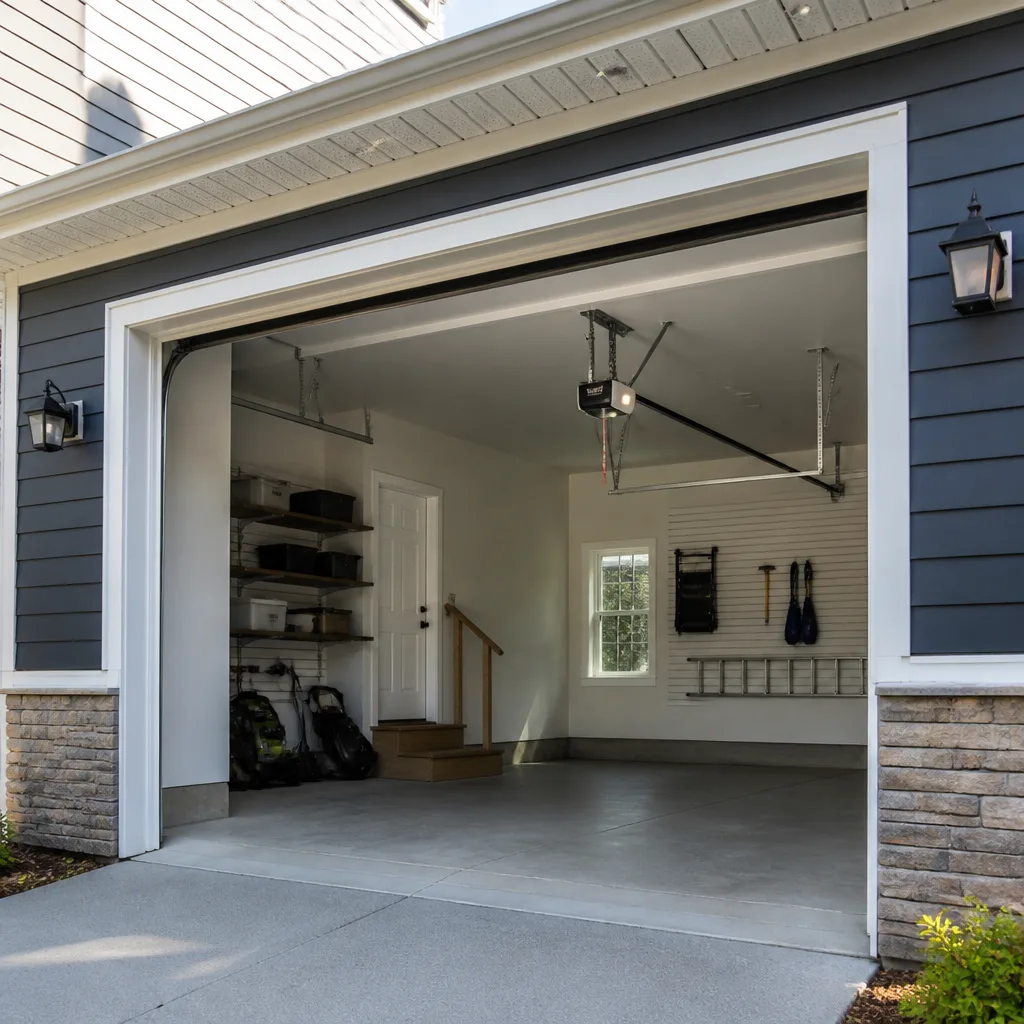 LiftMaster openers
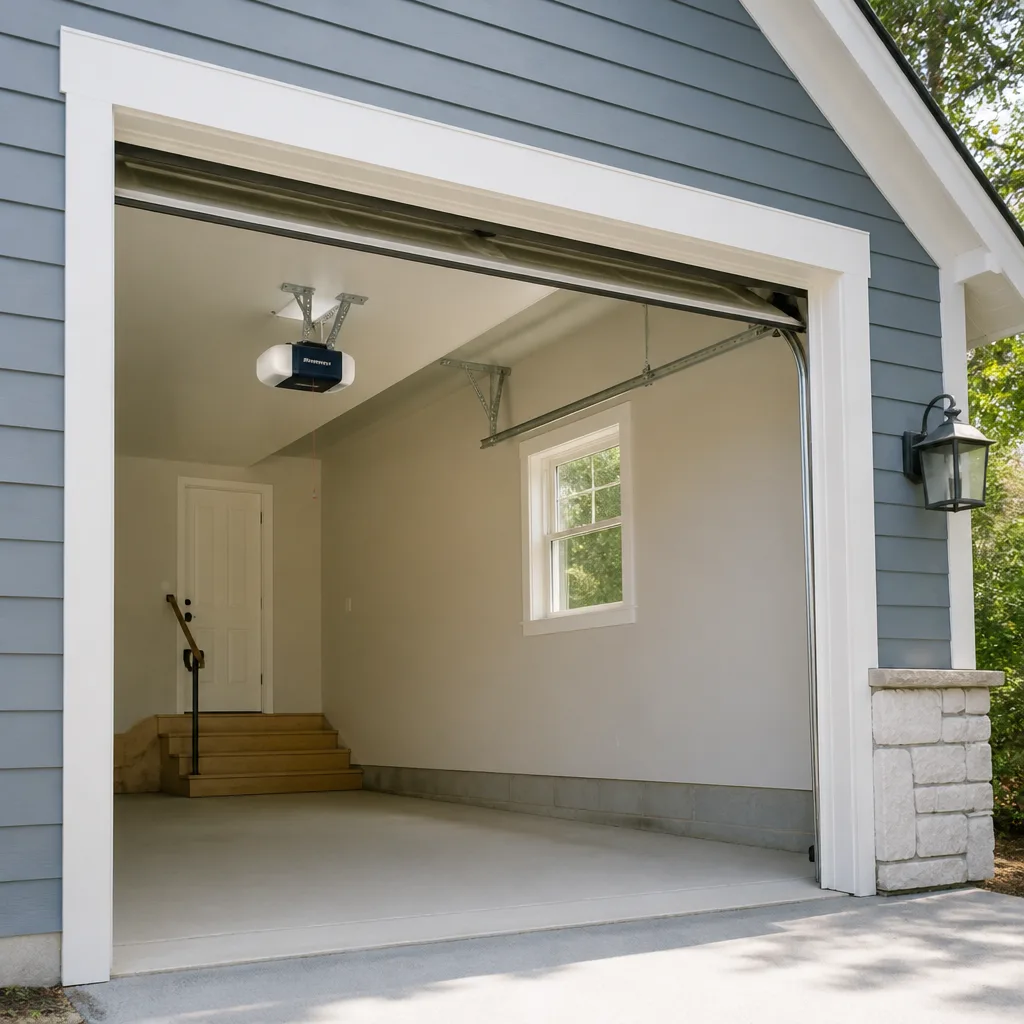 Chamberlain openers
Full 25-point door and opener safety check with every visit - springs, cables, rollers, tracks, and your LiftMaster or Chamberlain opener included
You get a price before we start. It does not change when the pro arrives.
Get your free estimateSeasonal Garage Door Care for Stockton: Year-Round Homeowner’s Guide
Stockton isn’t Minnesota, so most homeowners here assume their garage door doesn’t need seasonal attention. That’s the misconception worth correcting first. A door in Stockton faces triple-digit summer heat that expands steel panels and cooks weatherstripping, then a damp winter of Tule fog that pushes moisture into every track and seal. The seasons here aren’t dramatic, but they’re distinct enough to put different parts of your door under stress at different times of year. The transition weeks in between are when most springs and cables actually let go. This guide maps the year into four mechanical stress periods and gives you a simple calendar of tasks for each one, so you can stay ahead of breakdowns instead of reacting to them.
Quick Answer
Garage doors in Stockton need seasonal attention four times a year, roughly aligned with the calendar: summer heat care, a fall pre-cold inspection, winter moisture management, and a spring full-system check. The highest-risk window for spring and cable failure is the fall transition, when temperatures swing between hot days and cool nights. A twenty-minute check four times a year, plus an annual professional tune-up, prevents most of the breakdowns we see on Stockton doors.
Styles & brands we work with
- Raised-panel steel
- Carriage house
- Modern flush
- Full-view glass
- LiftMaster openers
- Chamberlain openers
Table of Contents
- Why Garage Doors Age Differently in Stockton
- Summer Care: Heat, UV, and Opener Stress (June-September)
- The Fall Transition: Your Highest-Risk Period (October-November)
- Winter Care: Tule Fog, Moisture, and Cold Lubricant (December-February)
- Spring: The Full-System Inspection Window (March-May)
- Your Stockton Garage Door Wall Calendar
- Common Mistakes to Avoid
- When to Call a Professional
Why Garage Doors Age Differently in Stockton
A garage door lives outdoors, exposed to every hour of weather your house sees. In most of the country, the wear story is about deep cold and heavy snow. In Stockton, the wear story is about heat cycling and moisture from fog. That’s a different mix of failure modes, and it means the maintenance routine that makes sense in a cold-climate garage isn’t quite the right one here.
Stockton summers push into triple digits with regularity, and a west-facing garage door absorbs a lot of that sun directly. Steel panels expand during the day and contract at night. Wood doors swell and dry out. Vinyl weatherstripping gets brittle and pulls away from the door edge. Running an opener motor in a closed, unventilated garage on a 105°F afternoon adds heat stress the opener wasn’t really designed for.
Winter flips the problem. Tule fog settles into the Valley and keeps everything damp for weeks at a time. Fog doesn’t sound aggressive, but moisture finds its way into tracks, bottom seals, hinges, and roller bearings. A door that ran smoothly in September can start grinding by January. Lubricant thickens in cool weather and stops doing its job if it’s the wrong type.
Then there’s the transition. Fall in Stockton swings between 85°F afternoons and 45°F nights. That daily expansion and contraction works torsion springs and cables harder than any single season does. In our experience, the fall transition is when a spring that’s been quietly fatiguing all summer finally gives way. That’s worth knowing before it happens.
- Summer risk: panel expansion, UV damage to seals, opener motor heat
- Fall risk: spring and cable fatigue from temperature swings (highest breakdown period)
- Winter risk: fog moisture in tracks and seals, thick cold lubricant, opener sensitivity
- Spring risk: the accumulated wear from winter showing up as new noises or sluggish operation
Summer Care: Heat, UV, and Opener Stress (June-September)
Summer in Stockton is the season that quietly wears down weatherstripping and stresses the opener. The door itself usually holds up fine, but the seals, the lubricant, and the electronics take the most punishment between June and September. This is the time to walk around the door with fresh eyes and catch small problems before they become the reason you call us in October.
Start with the weatherstripping. The bottom seal takes direct sun whenever the door is closed, and the side and top seals get UV from the sides. When the rubber gets brittle, it cracks or pulls away from the frame, and you’ll start seeing daylight underneath or a draft during the cool months ahead. Run your hand along the bottom seal and look for cracks, gaps, or sections that have hardened. That’s easier to replace in warm weather than in a cold winter.
Next, think about the opener. A garage that gets full afternoon sun and stays closed all day can get hot enough inside that the opener motor runs warmer than it would in a shaded or ventilated garage. If your opener is older, listen for extra strain on the first few cycles of the day. A LiftMaster or Chamberlain unit that’s been reliable for years can start acting up in July if the motor is working harder than it should. If you notice the door slowing down or the opener cutting out on hot afternoons, have it checked before fall.
- Check the bottom seal for cracks and daylight. Replace it before the fall transition.
- Look at the side and top seals for UV brittleness and separation from the frame.
- Listen for opener strain on the first cycles of a hot day.
- Wipe down the tracks and clear any debris that’s collected.
- Check lubrication. Summer heat can thin some lubricants so they run off the tracks faster.
One thing to leave alone in summer: don’t adjust the torsion spring or attempt to replace it yourself. A torsion spring under full tension is one of the most dangerous components on a residential property, and it stores enough energy to cause serious injury in an instant. If the door is struggling, call a trained technician. We work on the full system, so a summer tune-up covers the mechanical door and the electronic opener without needing a second company.
The Fall Transition: Your Highest-Risk Period (October-November)
October and November are the months when most garage door springs and cables fail in Stockton. That’s not a scare tactic; it’s how metal behaves when temperatures swing between warm afternoons and cool nights. Spring steel that’s been under constant tension all summer cycles through thousands of small expansion and contraction events as the days shorten, and eventually a fatigued spring gives way.
The trick is that a failing spring doesn’t always announce itself clearly. You might notice the door feels heavier when you lift it manually, or that it opens unevenly, or that the opener sounds like it’s working harder than usual. Sometimes it just breaks. The good news is that a fall inspection catches the fatigue before it becomes a snap. Here’s what we recommend in that window.
- Test the balance of the door. Disconnect the opener, lift the door halfway, and let go. A balanced door stays where you put it. A door that wants to fall is telling you a spring is losing tension.
- Listen on the open and close cycle. A snap, pop, or grinding sound during the first or last foot of travel usually means a roller, hinge, or cable is worn.
- Look at the cables. Cables should be taut, not frayed or kinked. Fraying is a warning that a cable is close to failure.
- Check the opener’s safety reverse. Place a 2×4 flat on the ground under the door and close it. The door should reverse on contact. If it doesn’t, that needs adjustment before winter.
- Refresh the lubricant. Clean the tracks, then lubricate the hinges, rollers, and springs with a garage-door-specific lubricant. Don’t use WD-40 as a long-term lubricant; it’s a solvent, not a grease.
If your door is a Clopay, Amarr, Wayne Dalton, Craftsman, Raynor, or any of the other brands we work on regularly, the fall inspection covers the same checkpoints. The brand doesn’t change the physics of a fatigued spring, and it doesn’t change what we look for. If anything on the list looks wrong, that’s the moment to get it looked at, when the repair is planned rather than reactive. You can review our full garage door repair service if you want the complete picture of what a fall tune-up includes.
Winter Care: Tule Fog, Moisture, and Cold Lubricant (December-February)
Stockton winters don’t freeze hard, but they get damp in a way that’s just as wearing on a garage door. Tule fog rolls through the Valley and keeps the air heavy with moisture for days at a time. That moisture settles on cold metal, works its way into tracks, and finds its way under bottom seals. Add cooler nighttime temperatures and you get a door that runs rougher in January than it did in October, even if nothing has technically failed.
The first winter concern is moisture intrusion. Fog moisture combined with any leaf litter or dust in the tracks turns into a sticky film that makes rollers drag. Wipe the tracks down once a month during fog season and take a good look at the bottom seal, which is where moisture loves to sit. If the seal is compressed, cracked, or not making full contact with the floor, cold damp air gets inside and you’ll feel it on the floor of the garage. Replacing a bottom seal is one of the less expensive maintenance tasks, and it’s worth doing at the first sign of trouble.
The second is lubricant performance. Some lubricants get too thick in cool weather and stop protecting the moving parts. If the door sounds louder in December than it did in September, that’s usually the reason. A garage-door-specific lubricant that stays consistent in cool temperatures is the right choice. Refresh it at the start of winter and check again if the door gets noticeably louder.
The third is opener sensitivity. Opener sensitivity is a setting that controls how much resistance the opener will tolerate before it reverses. Cooler temperatures slightly change the friction in the tracks, and an opener that was perfectly tuned in summer can start reversing for no obvious reason in winter. If the door goes partway down and reverses on its own, don’t force it. Have a technician check the sensitivity setting and the travel limits. If you’re hearing an opener that’s clicking, humming, or reversing randomly, our garage door opener repair service covers LiftMaster, Chamberlain, Genie, and other major brands.
- Wipe tracks monthly during fog season
- Inspect the bottom seal for compression and cracking
- Refresh lubricant at the start of winter with a cold-friendly product
- Check that the door closes all the way without reversing
- Listen for unusual noise on the first cycle of the day
Spring: The Full-System Inspection Window (March-May)
Spring is when everything winter was hiding shows up. The door starts running again on a regular basis, temperatures warm up, and if there’s a problem the fog was masking, you’ll hear it now. This is the best window of the year for a full-system inspection, because you’re catching the accumulated wear from fall and winter before summer heat adds new stress. It’s also the right time to look at whether a repair or a replacement makes more sense, since you have months of warm weather ahead to plan around.
Here’s what a complete spring inspection covers:
- Balance and spring tension across the full open and close cycle
- Cables and rollers for wear, fraying, and flat spots
- Hinges and brackets for loose fasteners or corrosion
- Weatherstripping at the bottom, sides, and top of the door
- Opener mechanics: belt or chain tension, motor operation, safety reverse
- Safety sensors at the bottom of the tracks, including alignment and cleanliness
- Panel alignment and any signs of dents or deformation from the summer ahead
If you’re going into the spring inspection with a door that’s 15 or 20 years old, it’s also worth asking whether the door and opener are still worth repairing. A door that’s been reliable but needs new springs, rollers, and seals this year may be a candidate for replacement if it’s also lost weather-tightness or started to look its age. That’s a question we answer honestly. We look at what you already have, not what we’d rather sell you. Our full Marigold Garage Door Repair service covers both repair and installation under one company, so you’re not sent to a second contractor to finish the conversation.
One more thing to note about spring: the transition from cool to warm weather is also a spring-failure period for some doors, especially ones that already had fatigue going into the winter. If the door started making noise in February and you pushed it through March, this is the moment to have the noise checked before April puts more cycles on it.
Your Stockton Garage Door Wall Calendar
You don’t have to be a garage door technician to keep your door healthy. What you do need is a simple schedule you can actually follow. Here’s the map we suggest for Stockton homeowners, aligned with the seasonal stress periods above. Pin it to the wall in the garage and check it off through the year.
| Month | Task | Why |
|---|---|---|
| June | Check bottom seal, sides, and top for cracks and daylight | Before peak summer heat bakes the seals |
| July-August | Listen for opener strain; wipe down tracks | Hottest weeks of the year |
| September | Test the door balance (disconnect opener, lift halfway, release) | Early warning on spring fatigue |
| October | Full fall inspection: springs, cables, rollers, opener reverse | Highest-risk spring and cable period |
| November | Refresh lubricant; clean tracks | Prep for damp winter |
| December | Check bottom seal for moisture intrusion | Tule fog season starts |
| January-February | Monthly track wipe; listen for opener reversing | Peak damp season |
| March | Full-system inspection | What winter revealed |
| April | Check weatherstripping again before summer | UV exposure resumes |
| May | Professional tune-up before summer load | Best window of the year |
You can compress some of this. If you only do four checks a year, do them in late September, December, March, and June. Those four catches line up with the seasonal transitions and will cover the biggest risk windows. If you want a single scheduled visit that covers the whole system, an annual tune-up in spring is the standard approach.
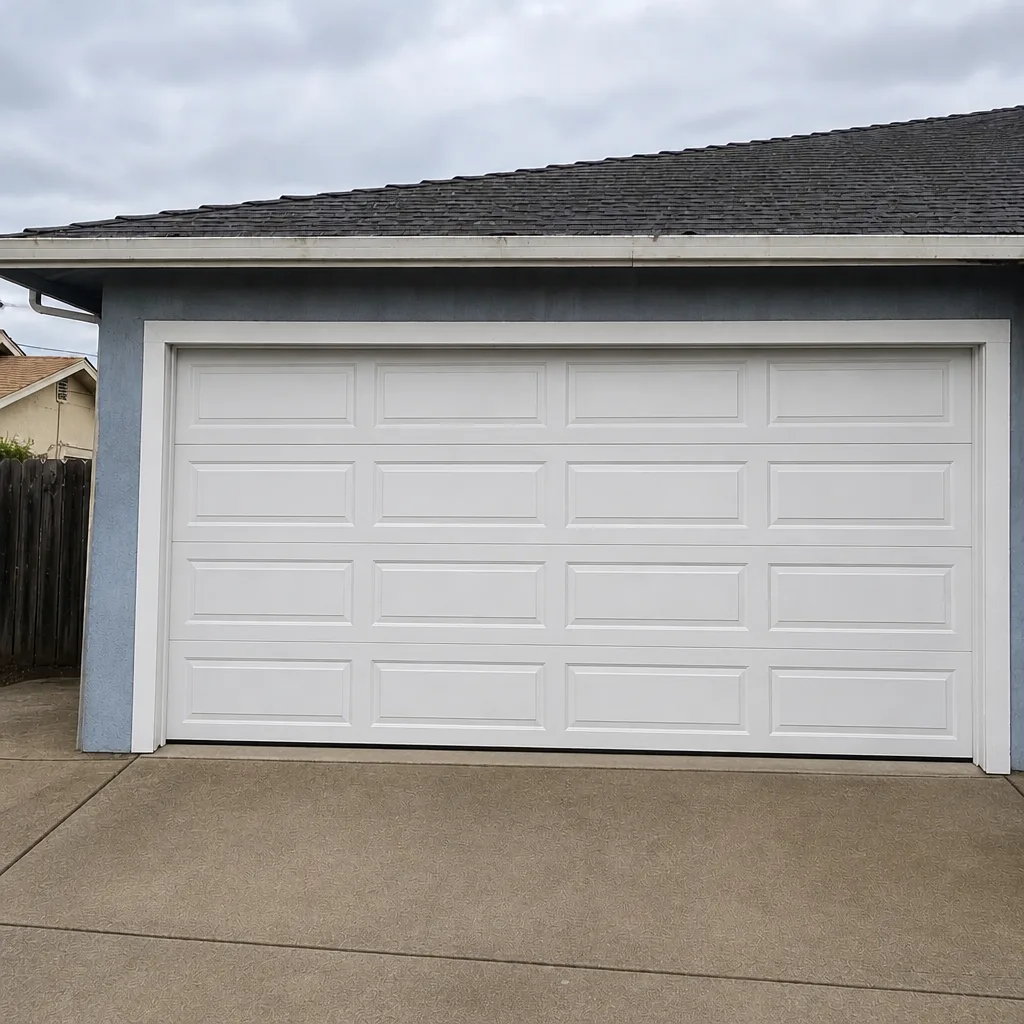
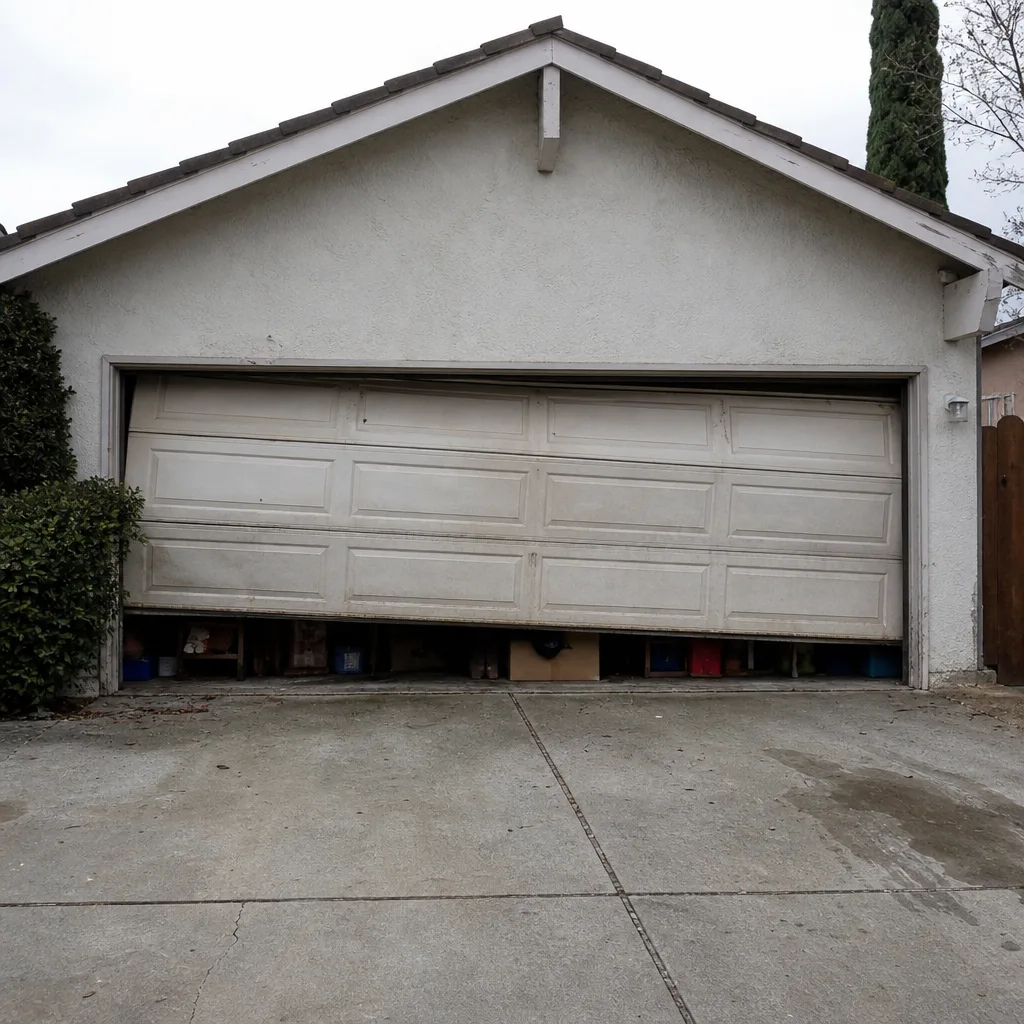
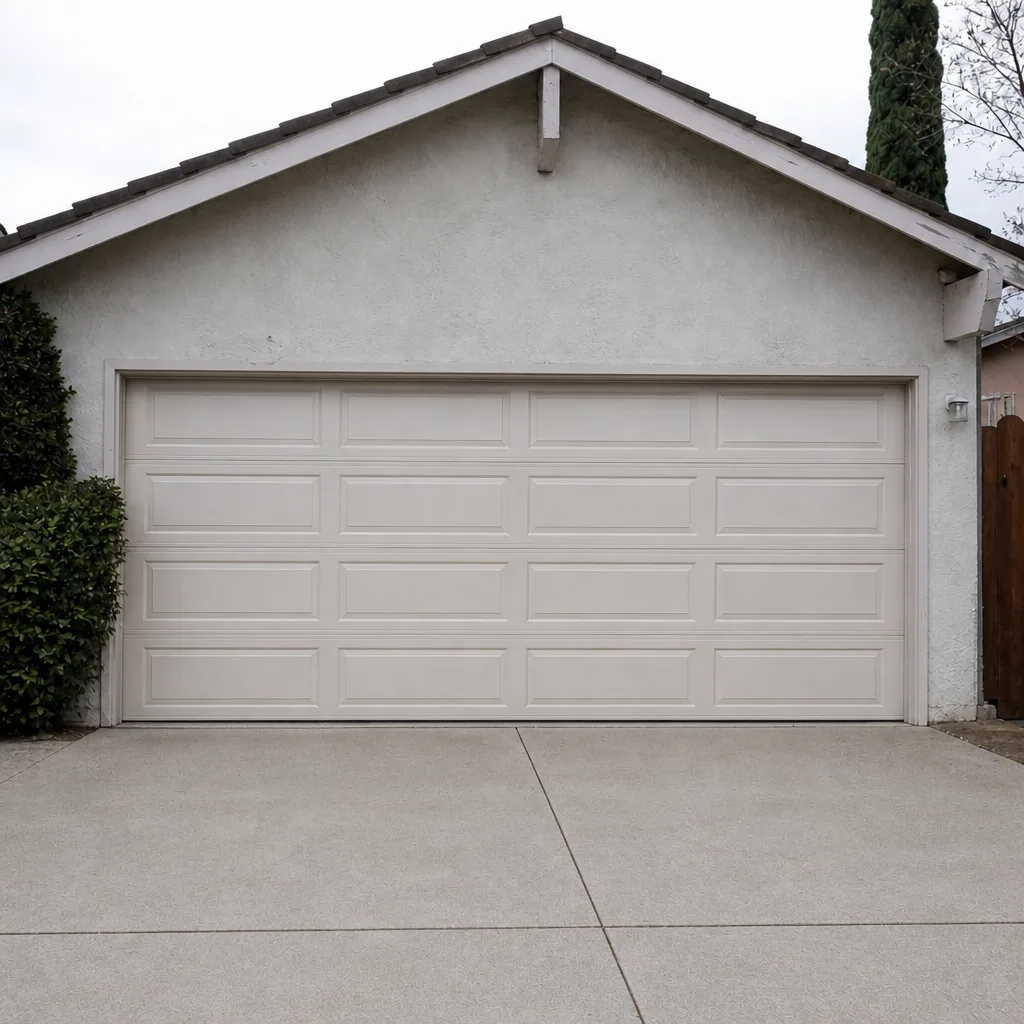
See the difference
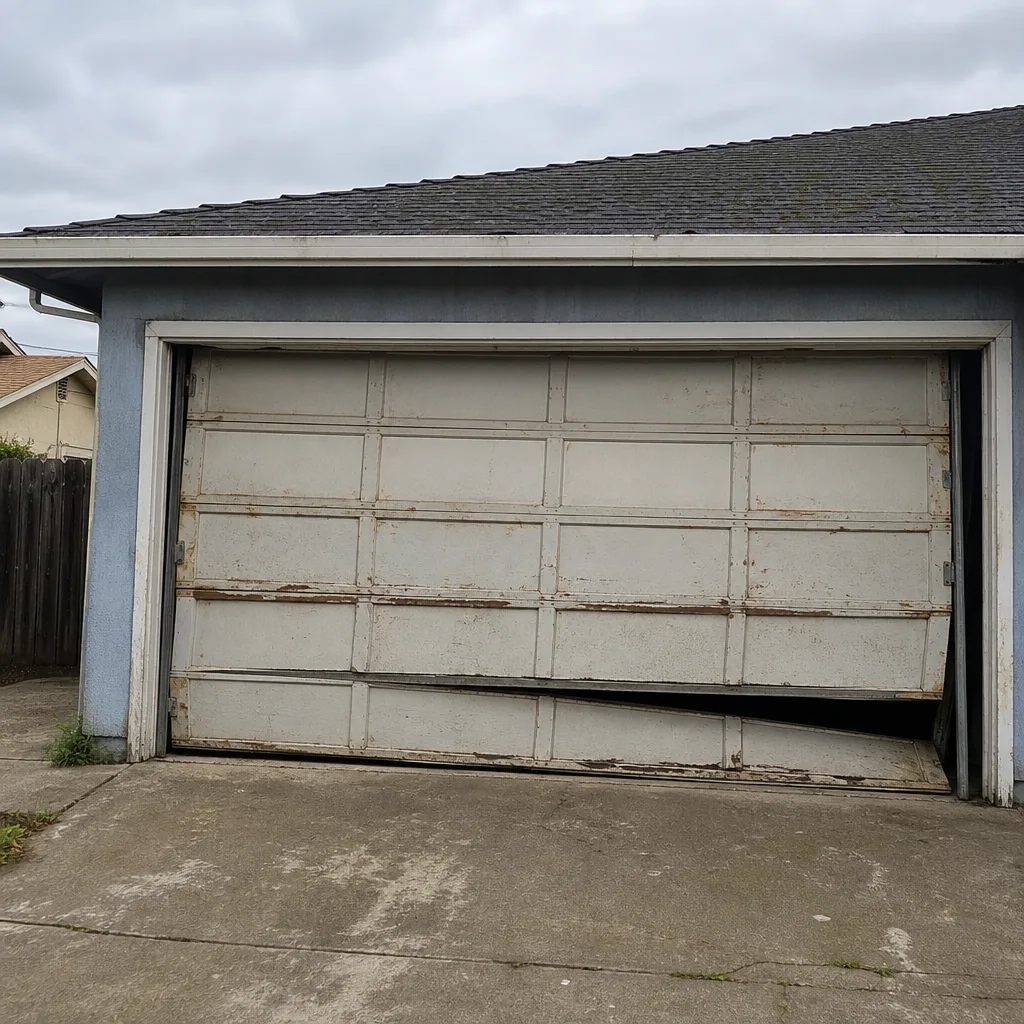 Before
 After
 Before
 After
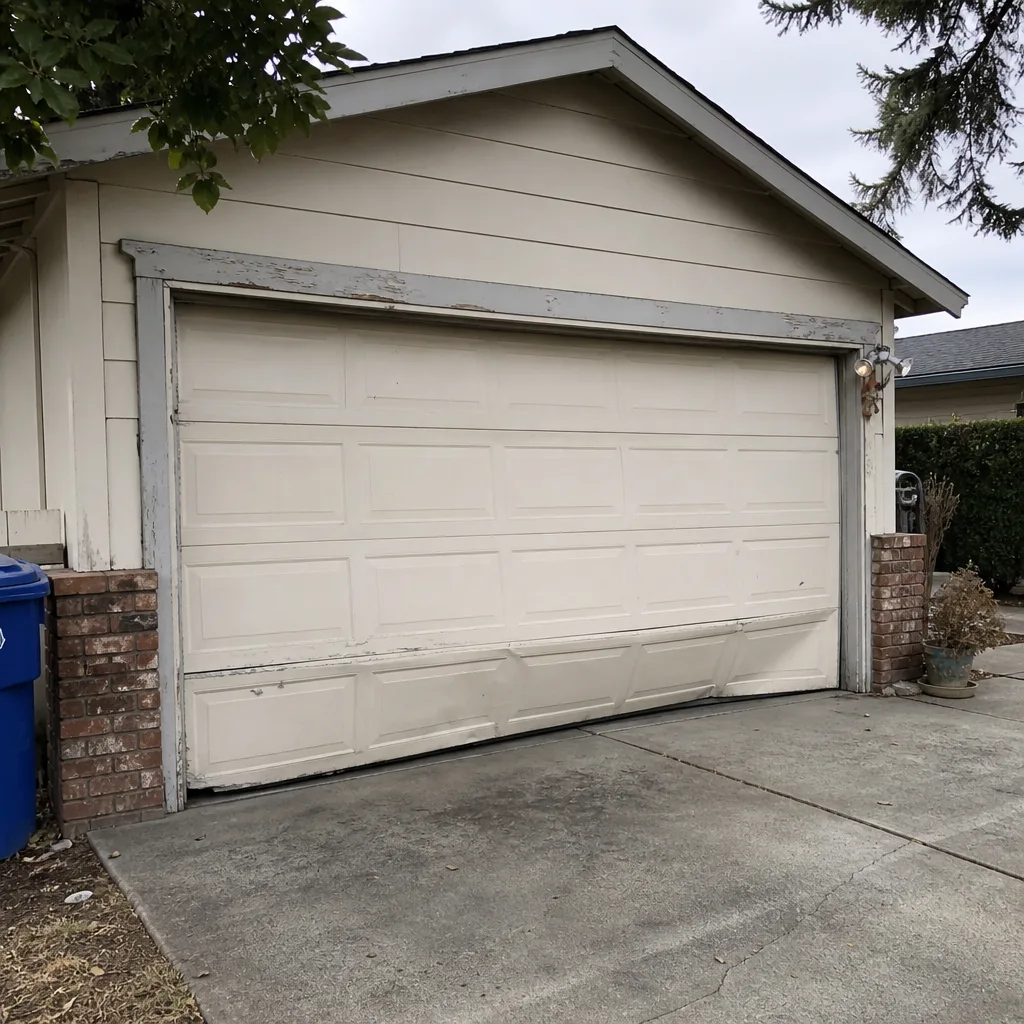 Before
 After
Common Mistakes to Avoid
- Lubricating the tracks. This seems logical, but oil on the tracks attracts dust and grit, which grinds at the rollers. Lubricate the hinges, rollers, and springs, not the track surface.
- Using WD-40 as a long-term lubricant. WD-40 is a solvent, not a grease. It thins out fast and leaves moving parts unprotected. Use a product made for garage doors.
- Adjusting or replacing a torsion spring yourself. A torsion spring can cause serious injury in a fraction of a second when it’s under tension. This is not a homeowner repair. If the spring is fatigued, call a technician who has the right tools and training.
- Ignoring a door that “still works.” A door that opens and closes but makes new noise or feels heavier than it used to is telling you something is failing. Wait on it long enough and the repair becomes a breakdown.
- Pushing through a fall-of-temperature week without checking. The first cool snap after a warm fall is when springs most often let go. Do a balance test that week.
- Letting a bottom seal stay compressed or cracked through fog season. A bad seal lets damp air and insects into a garage that should stay dry. It’s one of the cheapest fixes on the list.
- Calling a general handyman for an opener problem. Opener electronics and travel-limit settings are specific to the brand and model. A specialist who works on LiftMaster, Chamberlain, Genie, and other systems gets it right the first time.
When to Call a Professional
Some of this guide you can handle yourself: the balance test, the monthly track wipe, the seal check. Some of it you shouldn’t. Call a professional if the door feels heavy when you lift it manually, if you hear a snap, pop, or grind during the cycle, if the opener reverses before the door reaches the floor, if you see a frayed cable or a bent track, or if a spring has clearly lost tension. Also call if the door has been reliable but noisy for more than a month; small noises are usually a symptom of something that’s about to become a repair.
Marigold Garage Door Repair offers free estimates in Stockton. Call (877) 405-9570. We answer 24/7. Fast dispatch from 7am to 7pm, Sunday through Friday. If you want a scheduled tune-up rather than an emergency repair, we’ll set it up and give you a written price before any work starts.
Frequently Asked Questions
Yes, but not the same kind you’d do in a cold-climate city. Stockton’s heat and damp winter fog wear different components than snow and deep cold do. Four seasonal checks a year, plus one professional tune-up in spring, prevents most of the breakdowns we see on Stockton doors. Call (877) 405-9570 for a free estimate on any repairs your inspection reveals.
The fall transition, roughly October and November, is the highest-risk period for spring and cable failure in Stockton. That’s when temperatures swing between warm afternoons and cool nights, and the daily expansion and contraction cycles fatigue the springs. A balance test in late September catches the fatigue before it becomes a break. If you feel the door getting heavier, call (877) 405-9570 and we’ll take a look.
You can safely check the bottom seal for cracks, wipe the tracks, listen for unusual sounds, test the door balance by disconnecting the opener and lifting the door halfway, and test the opener’s safety reverse with a 2×4. You should not adjust or replace springs or cables yourself; those are the parts that can cause serious injury under tension. For anything involving springs, cables, or opener travel-limit adjustments, call a trained technician. Call (877) 405-9570 for a free estimate.
Summer heat in Stockton wears down weatherstripping and stresses the opener motor more than anything else. Steel panels expand during the day and contract at night, which works the door’s hardware, and UV exposure makes rubber seals brittle. The panels themselves usually hold up; it’s the seals and the opener that need attention in June through September. Call (877) 405-9570 if you notice the door slowing down or the opener cutting out on hot afternoons.
Winter difficulty usually comes from one of three things: lubricant that’s too thick in cool temperatures, moisture in the tracks from Tule fog season, or an opener sensitivity setting that needs adjustment. Cooler weather slightly changes the friction in the tracks, and an opener that was tuned in summer can start reversing on its own. Have a technician check both the lubricant and the opener settings. Call (877) 405-9570 for a free estimate.
A seasonal tune-up in Stockton is quoted per job by a written estimate, so the price depends on the door, the condition of the springs and cables, and any repairs it reveals. We give you the price before any work starts, and the estimate is free. Call (877) 405-9570 to schedule.
The Bottom Line
Garage doors in Stockton live through four distinct mechanical stress periods a year: summer heat, fall temperature swings, winter fog, and spring reveal. The parts under the most stress change with the season, and the transition weeks in October and November are the highest-risk window for spring and cable failure. You don’t need to be an expert to stay ahead of it. A balance test, a track wipe, and a seal check four times a year catches most problems while they’re still cheap. Add one professional tune-up in spring and your door will hold up far better than one that only gets attention when something breaks. We work on whatever system you already have, from Amarr and Wayne Dalton doors to Craftsman and Raynor openers, so the service matches what’s on your garage rather than what’s easiest to sell. Written by the team at Marigold Garage Door Repair.