
Last updated November 15, 2026
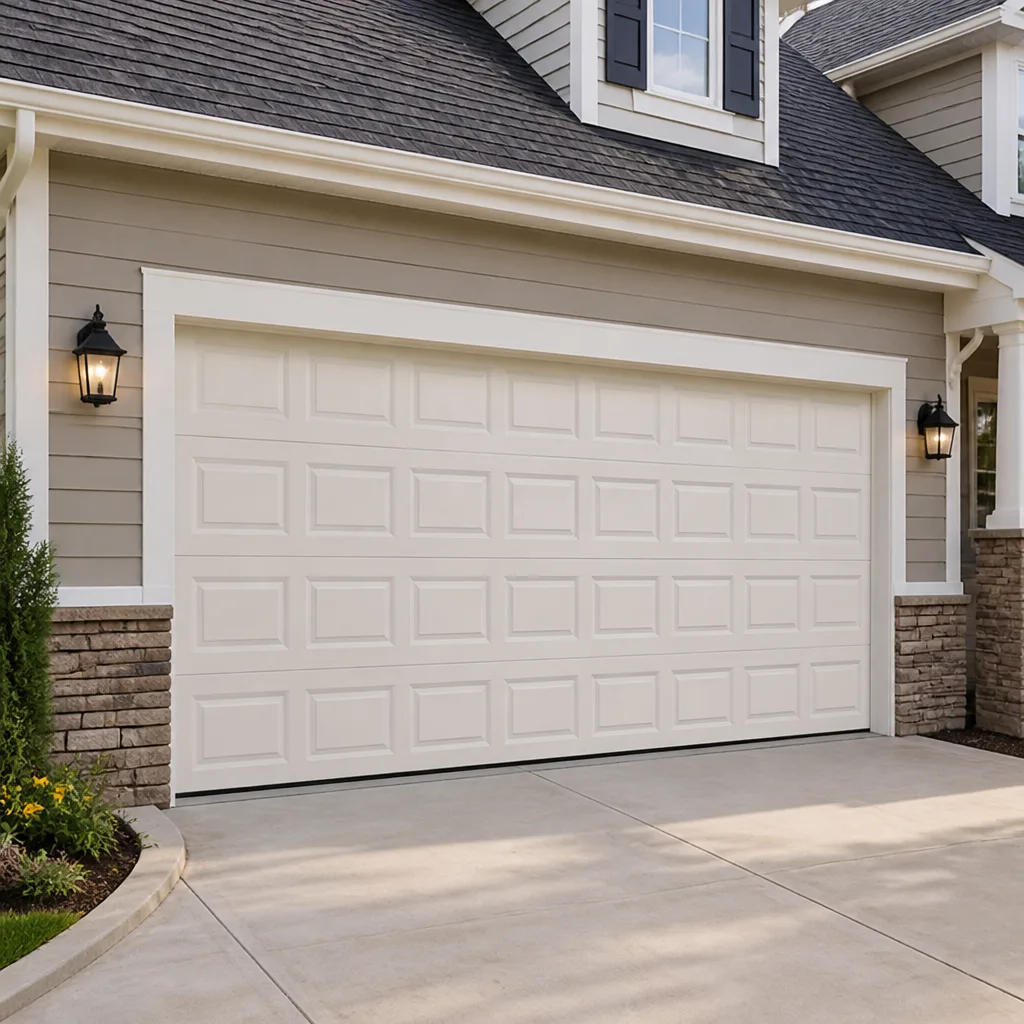 Raised-panel steel
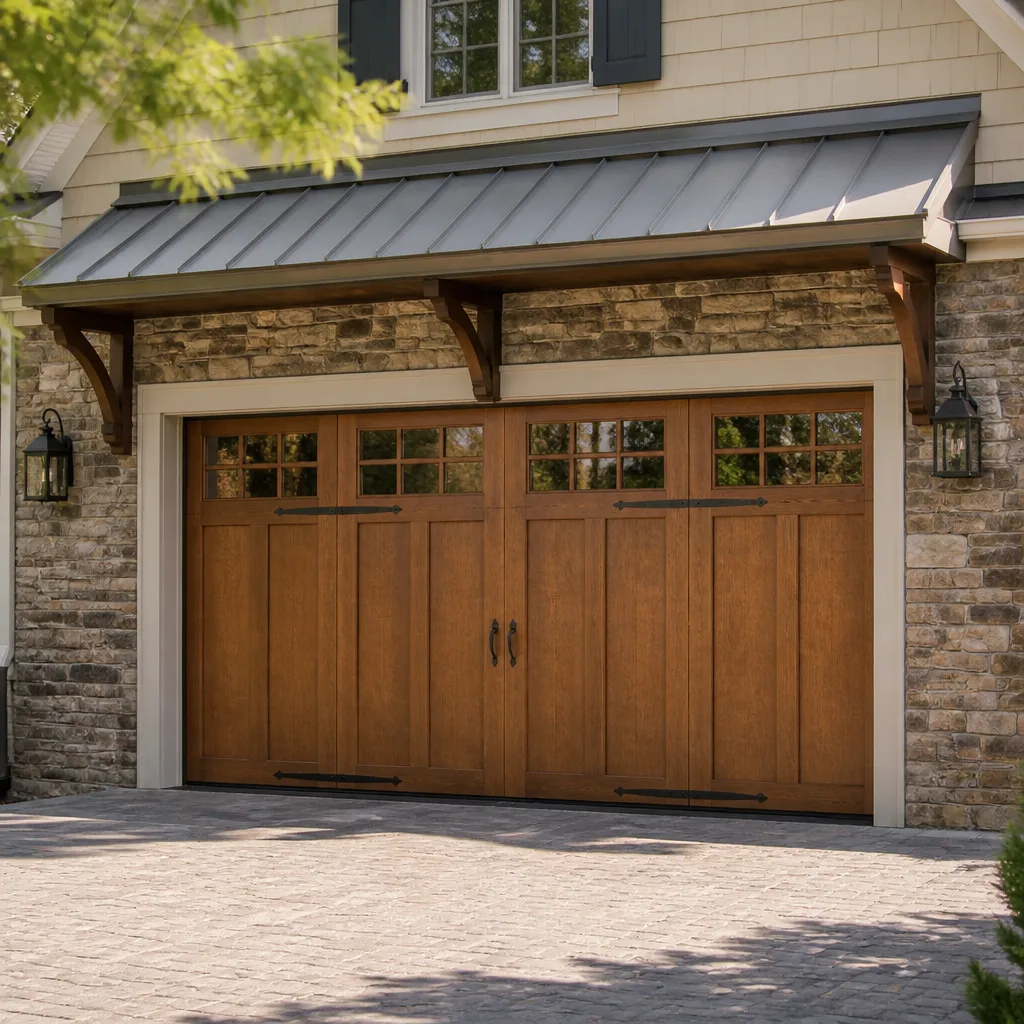 Carriage house
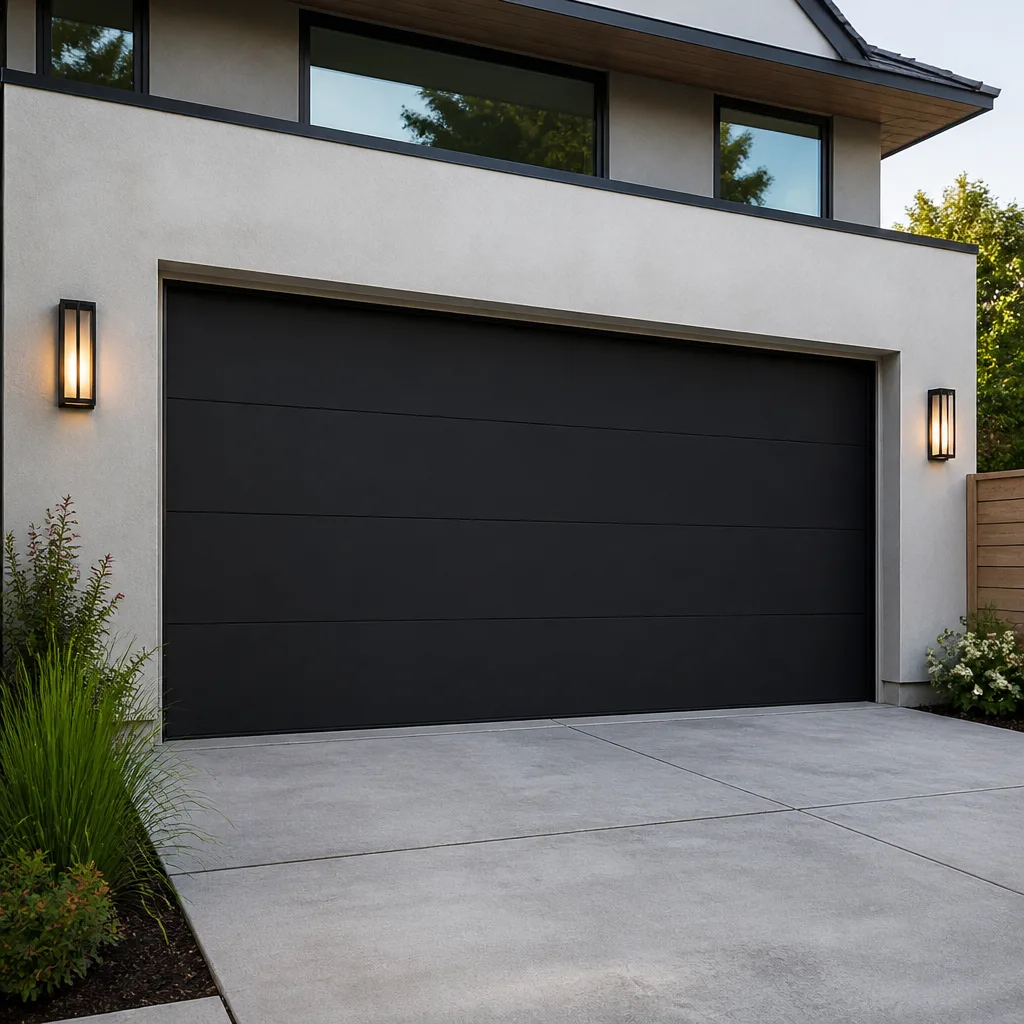 Modern flush
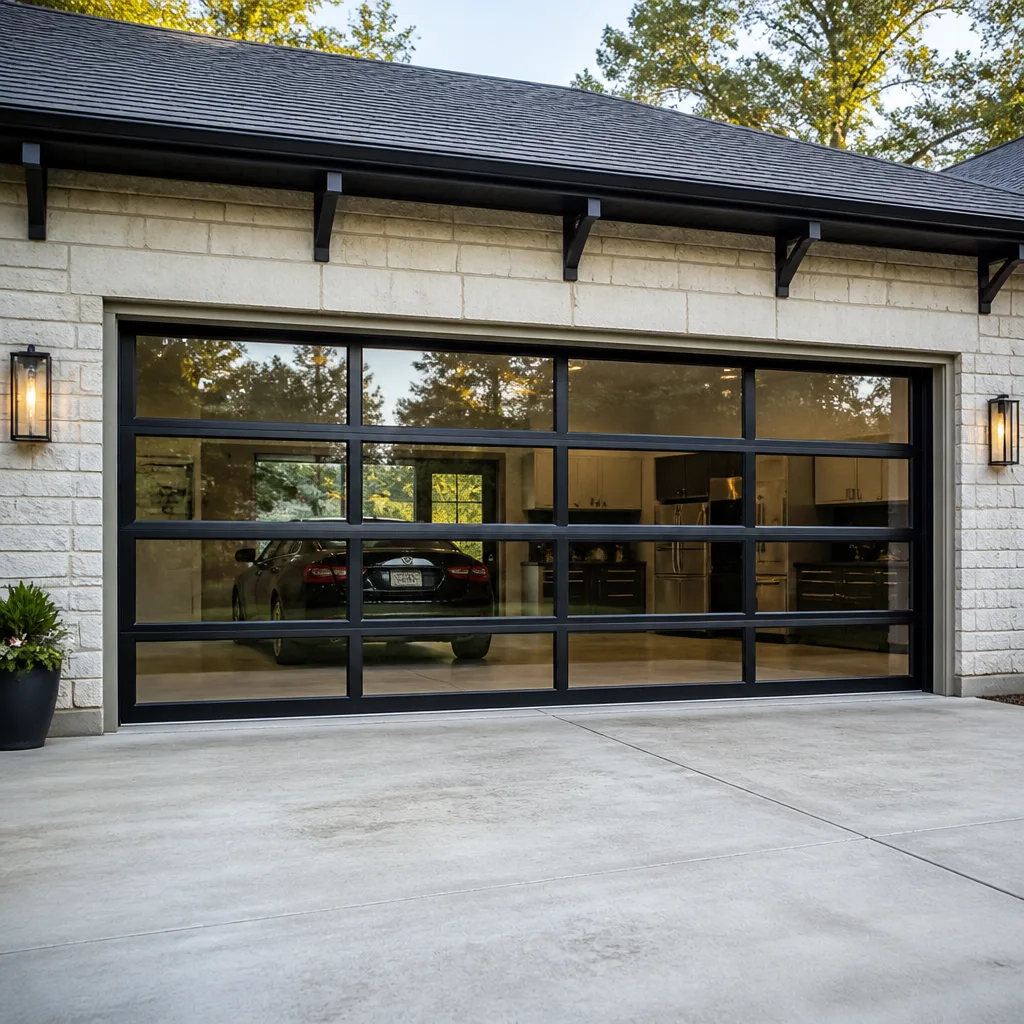 Full-view glass
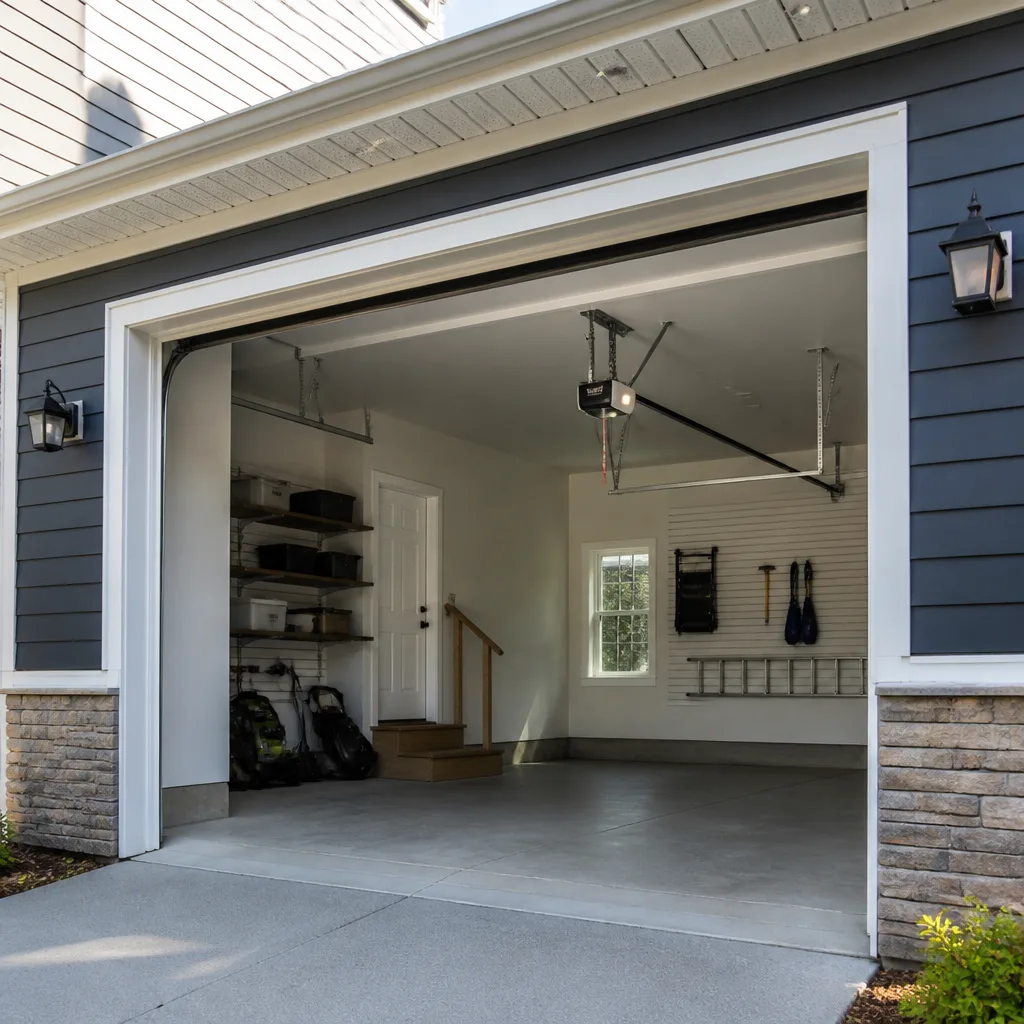 LiftMaster openers
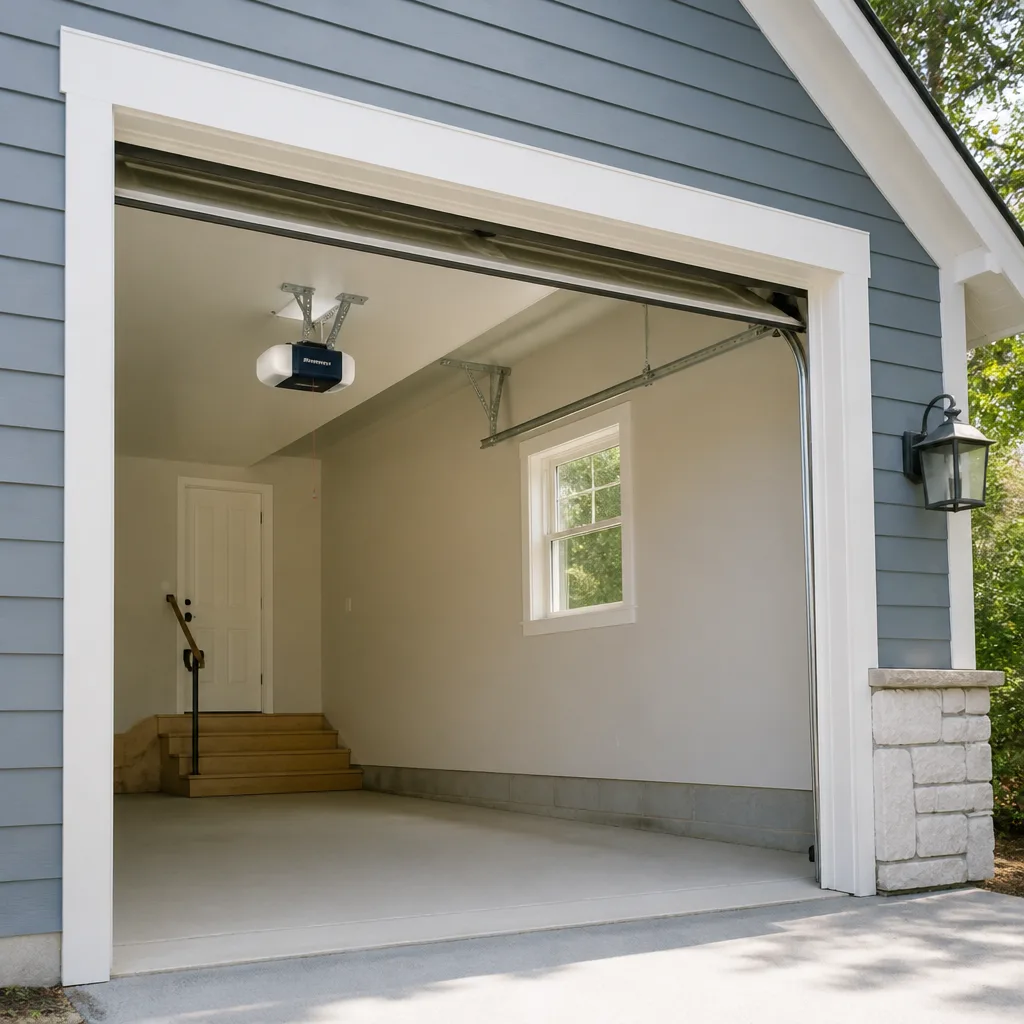 Chamberlain openers
Full 25-point door and opener safety check with every visit - springs, cables, rollers, tracks, and your LiftMaster or Chamberlain opener included
You get a price before we start. It does not change when the pro arrives.
Get your free estimateThe Complete Guide to Garage Doors in Stockton
Most garage door guides are written for a mythical average homeowner in a mythical average city. Stockton isn’t that city. Summers here run hot for months, thousands of homes went up during the 1970s through 1990s building boom, and valley wind pushes grit straight into door tracks. None of that shows up in the generic advice your neighbor found online. This guide treats Stockton as the actual subject: how the local climate wears on springs and seals, what door and opener types dominate each housing era, how the contractor market here really works, and which repairs are safe to handle yourself versus which ones you should never touch.
Quick Answer
A garage door in Stockton lasts longest when it’s matched to the local conditions: steel or composite doors handle valley heat and UV better than most wood, springs need inspection every couple of years because heat cycling accelerates fatigue, and openers from brands like LiftMaster or Genie should be serviced rather than replaced when they act up. Most problems homeowners face here are repairable, and the right first step is a diagnosis from a specialist who works on your existing brand rather than one who only sells new doors.
Styles & brands we work with
- Raised-panel steel
- Carriage house
- Modern flush
- Full-view glass
- LiftMaster openers
- Chamberlain openers
Table of Contents
- How Central Valley Heat Affects Your Garage Door
- Door and Opener Types by Stockton Housing Era
- Steel vs. Wood vs. Composite in San Joaquin Valley Conditions
- Navigating Stockton’s Garage Door Contractor Market
- Which Repairs Are DIY-Safe and Which Aren’t
- A Seasonal Maintenance Routine for Stockton Homes
- Opener Troubleshooting: What to Check Before You Call
- When Repair Stops Making Sense
How Central Valley Heat Affects Your Garage Door
Stockton sees more than 70 days a year above 90°F, and that heat does quiet, cumulative damage to a garage door system. The door itself expands and contracts daily. So do the springs, the hinges, and the weatherstripping along the bottom and sides. Over a few summers, the parts that flex the most are the parts that fail first.
Torsion springs are the clearest example. Every open and close cycles the spring through tension and release, and heat adds to that wear. A spring that might last many years in a mild climate can fatigue faster in a valley where the garage interior regularly climbs well past 100°F. That’s why we tell Stockton homeowners to have springs inspected every couple of years rather than waiting for the loud bang of a failure.
Weatherstripping breaks down in the same slow way. The rubber or vinyl along the bottom seal dries out, cracks, and stops sealing. You may notice dust blowing in, a whistle on windy days, or water creeping under the door when it rains. Replacing a bottom seal is one of the least expensive fixes in this trade and one of the most ignored.
Heat also stresses opener electronics. Circuit boards and plastic gears in older units don’t love a garage that bakes all afternoon. If your opener acts up only on the hottest days, that’s a real pattern, not a coincidence.
What to watch for as the seasons turn:
- A door that opens unevenly or feels heavier than it used to
- Visible gaps or cracks in the bottom seal
- New squeaks or grinding from hinges and rollers
- An opener that strains, reverses, or hesitates in hot weather
- Any spring that looks stretched, rusted, or has a visible gap in the coil
Door and Opener Types by Stockton Housing Era
Stockton’s housing stock tells you a lot about what’s attached to the garage. Walk through different parts of Stockton and you’ll see three broad eras, each with its own typical door and opener setup.
1970s Ranch Homes
Single-wide wood or early steel doors are common on this era of ranch house, often paired with a chain-drive opener from Craftsman or an early Genie model. Many of these openers have been replaced once already, but plenty of original doors are still in service. The wood doors from this period usually need refinishing, and the steel ones often show rust at the bottom edge where moisture collects.
1990s Tract Homes
The building boom of the late 1980s and 1990s filled Stockton with tract homes on standard double-car garages. Most came with stamped steel panel doors and chain or screw-drive openers. These doors are generally durable, but the springs and rollers from that era are well past their expected life. If you live in one of these neighborhoods and have never replaced a spring, you’re on borrowed time.
2000s Subdivisions
Newer subdivisions brought sectional steel doors with better insulation and belt-drive openers that run quieter. Chamberlain and LiftMaster units show up often here, many with safety sensors and rolling-code remotes. The systems are more reliable, but the electronics are also more complex, which is why a technician who knows the brand matters when something goes wrong.
Knowing your home’s era helps you anticipate what’s likely to fail. It also helps you avoid paying for the wrong fix. A 1990s door with a broken spring doesn’t need a new door; it needs a spring, and possibly a look at the rollers while the technician is there.
Steel vs. Wood vs. Composite in San Joaquin Valley Conditions
Material choice matters more here than in a mild coastal climate. Valley UV is strong, dust is constant, and temperature swings are wide. Here’s how the three main options hold up.
- Steel is the workhorse for Stockton. It handles heat and UV well, needs little upkeep, and resists the dust that settles into every garage. The main weak point is rust at the bottom edge, which you can slow by keeping the door painted and the bottom seal intact. Insulated steel panels also keep the garage cooler, which helps your opener and anything stored inside.
- Wood looks great and suits the older ranch homes, but it’s the highest-maintenance option in this climate. UV dries and cracks the finish, and without regular refinishing, wood doors warp and split. If you have a wood door you love, plan on refinishing it every few years.
- Composite sits between the two. It resists moisture and UV better than wood, holds paint well, and doesn’t rust like steel. It costs more up front than standard steel but less than a high-end wood door. For homeowners who want a wood look without the upkeep, composite is worth a serious look.
Whichever you choose, the door’s hardware matters as much as the panel material. Quality rollers, hinges, and springs determine how long the door runs smoothly. When we quote an installation, we talk through both the door and the hardware, because a good door on cheap hardware won’t last.
Navigating Stockton’s Garage Door Contractor Market
Stockton has two kinds of garage door operations, and the difference matters when you’re deciding who to call. One kind is the dedicated specialist: a company that works on garage doors and openers, knows the major brands, and diagnoses before recommending. The other is the high-volume operation that pushes replacements whether or not a repair would do.
Here’s how to tell them apart:
- Ask what they do. A specialist will tell you garage doors are the focus. A general handyman service may list doors among a dozen other trades, which usually means less depth on any one of them.
- Ask about brands. A technician familiar with Clopay, Amarr, Chamberlain, and Genie can work on what you already own. If the answer is “we only install our brand,” you’re talking to a dealer, not a service company.
- Ask for a written estimate before work starts. Reputable operations put the price in writing and stick to it. Be wary of anyone who won’t commit to a number before starting.
- Listen for the repair-first question. A good technician asks what’s wrong and whether it can be fixed before talking about replacement. If the first suggestion is always a new door, that tells you something.
- Check licensing and insurance. Ask directly. A legitimate company will confirm both without hesitation.
We’re a garage door specialist, not a general contractor, and we work on your brand rather than pushing one. That’s the model we believe serves Stockton homeowners best: diagnose the problem, explain the options, and let you decide.
Which Repairs Are DIY-Safe and Which Aren’t
Some garage door maintenance is genuinely safe to do yourself. Some is dangerous enough that we’d rather you call than try. The line between them is clearer than most homeowners expect.
Safe to Handle Yourself
- Wiping down and lubricating hinges, rollers, and tracks with a proper garage door lubricant
- Testing the safety reverse feature by placing an object in the door’s path
- Replacing remote batteries and re-pairing remotes
- Clearing debris and dust from the tracks
- Tightening visible bolts on the door panels (not the spring hardware)
Not Safe to Handle Yourself
- Torsion springs and cables. These store enormous energy. A spring under tension can cause serious injury if it releases unexpectedly. Never attempt to adjust, remove, or replace one yourself.
- Track alignment on a door that has come off its tracks. A door that’s jumped the track is unstable and can fall. Leave it to a trained technician.
- Opener electrical work. Wiring and circuit board repairs involve live electricity. This is a job for a professional.
- Replacing a broken spring on a heavy door. Even experienced homeowners underestimate the force involved. The risk isn’t worth it.
When in doubt, call. A garage door repair visit costs far less than an emergency room trip, and a trained technician can spot related problems while they’re there.
A Seasonal Maintenance Routine for Stockton Homes
A little routine maintenance goes a long way in this climate. Here’s a simple schedule that works for most Stockton homes, built around the seasons that stress the door most.
- Before summer. Lubricate hinges, rollers, and the spring (with a proper lubricant, not WD-40). Check the bottom seal for cracks. Test the safety reverse. Listen for new sounds.
- Mid-summer. Look for heat-related symptoms: a door that strains, an opener that hesitates, or a seal that’s dried out. These are early warnings worth acting on.
- Before fall winds. Clear dust and grit from the tracks. Check that the door closes flush against the seal. Tighten any loose bolts on the panels.
- Before winter rains. Confirm the bottom seal keeps water out. Check for rust at the bottom edge of steel doors and touch up paint if needed.
- Once a year. Have a technician inspect the springs, cables, and opener. This is the check that catches the failures before they happen.
If your opener is acting up, garage door opener repair is usually straightforward once the cause is identified. The key is not to ignore the small symptoms until they become big ones.
Opener Troubleshooting: What to Check Before You Call
When the opener stops responding, a few quick checks can save you a service call. Here’s the order we recommend.
- Check the power. Is the opener plugged in? Has a breaker tripped? This sounds obvious, but it’s the most common cause of a “dead” opener.
- Check the remotes. A dead remote battery or an unpaired remote will make the opener seem broken when it isn’t. Try the wall switch; if that works, the problem is the remote.
- Check the safety sensors. The sensors at the bottom of the tracks need to be aligned and clean. Dust and cobwebs in this climate can block them. If the door closes partway and reverses, sensors are the usual suspect.
- Check the manual release. If the door is stuck, the manual release cord lets you disengage the opener so you can open the door by hand (carefully, and only if the door is balanced).
- Listen. A humming opener that doesn’t move the door often points to a gear or drive problem. A clicking opener may have a logic board issue.
If you’ve checked all five and the opener still won’t cooperate, it’s time for a professional diagnosis. Modern openers from brands like LiftMaster and Chamberlain have specific failure patterns, and a technician familiar with the brand will know where to look first.
When Repair Stops Making Sense
We’re a repair-first company. Most doors we see in Stockton can be fixed, and fixing them is usually the right call. But there are times when replacement is genuinely the better decision, and it’s worth knowing what those look like.
- The door is structurally failing. Warped panels, a bent track that can’t be straightened, or a frame that’s pulling away from the wall are signs the door itself is done.
- Repeated repairs on the same door. If you’re calling for the same problem every few months, the underlying system may be past its useful life. A new door on new hardware can be cheaper over time than constant fixes.
- The opener is obsolete. Very old openers without safety sensors or rolling-code technology are worth replacing for safety and security reasons, even if they still technically work.
- The door no longer suits the home. Sometimes the issue isn’t failure but fit: a door that’s drafty, noisy, or out of step with the house. Insulated steel or composite can make a real difference in comfort and curb appeal.
If you’re weighing repair against replacement, a Marigold Garage Door Repair technician can walk you through the options and give you a written estimate for either path. No pressure, just a clear picture of what each choice involves.
Common Mistakes to Avoid
- Ignoring a stretched or rusted spring. A spring that’s clearly past its prime is a failure waiting to happen. Have it inspected before it breaks, not after.
- Using WD-40 on the tracks or springs. It’s a solvent, not a lubricant, and it attracts dust. Use a proper garage door lubricant instead.
- Calling a general handyman for a spring or track problem. These jobs require specific training and tools. A specialist is the safer and usually faster choice.
- Skipping the written estimate. Any reputable company will put the price in writing before starting. If they won’t, walk away.
- Letting dust build up in the tracks. Valley dust is constant. A quick wipe-down a few times a year prevents a lot of grinding and sticking.
- Replacing the opener when the door is the problem. A door that’s out of balance will wear out any opener. Diagnose the door first.
- Assuming a wood door is maintenance-free. In this climate, wood needs regular refinishing. If you’re not up for that, composite or steel is a better match.
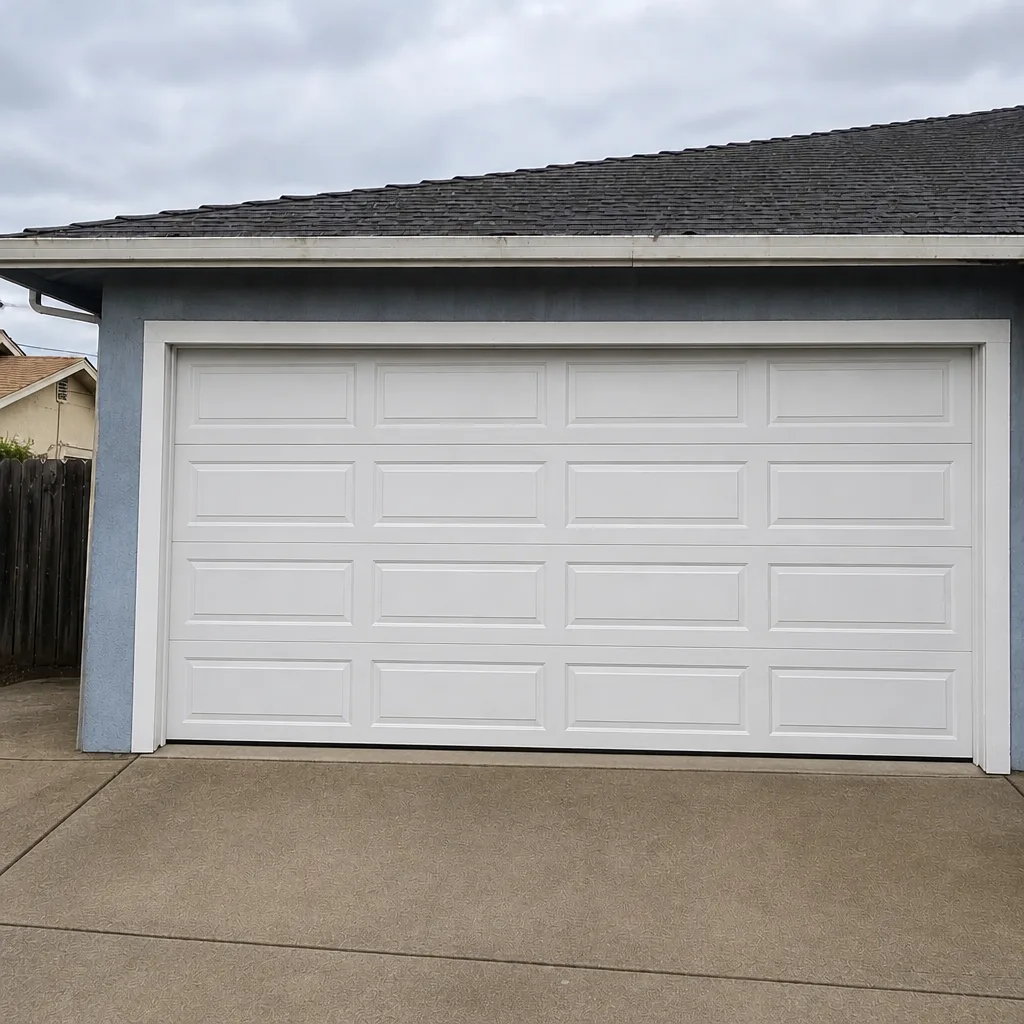
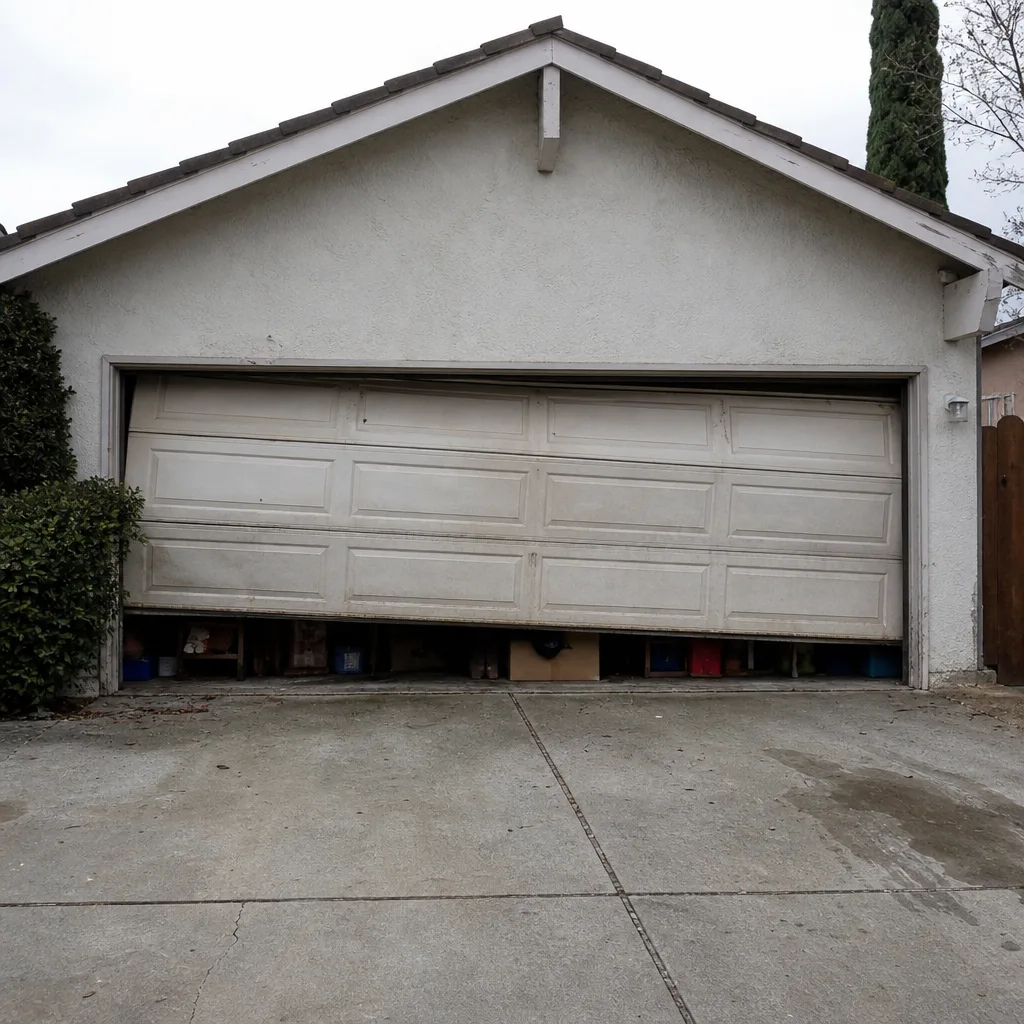
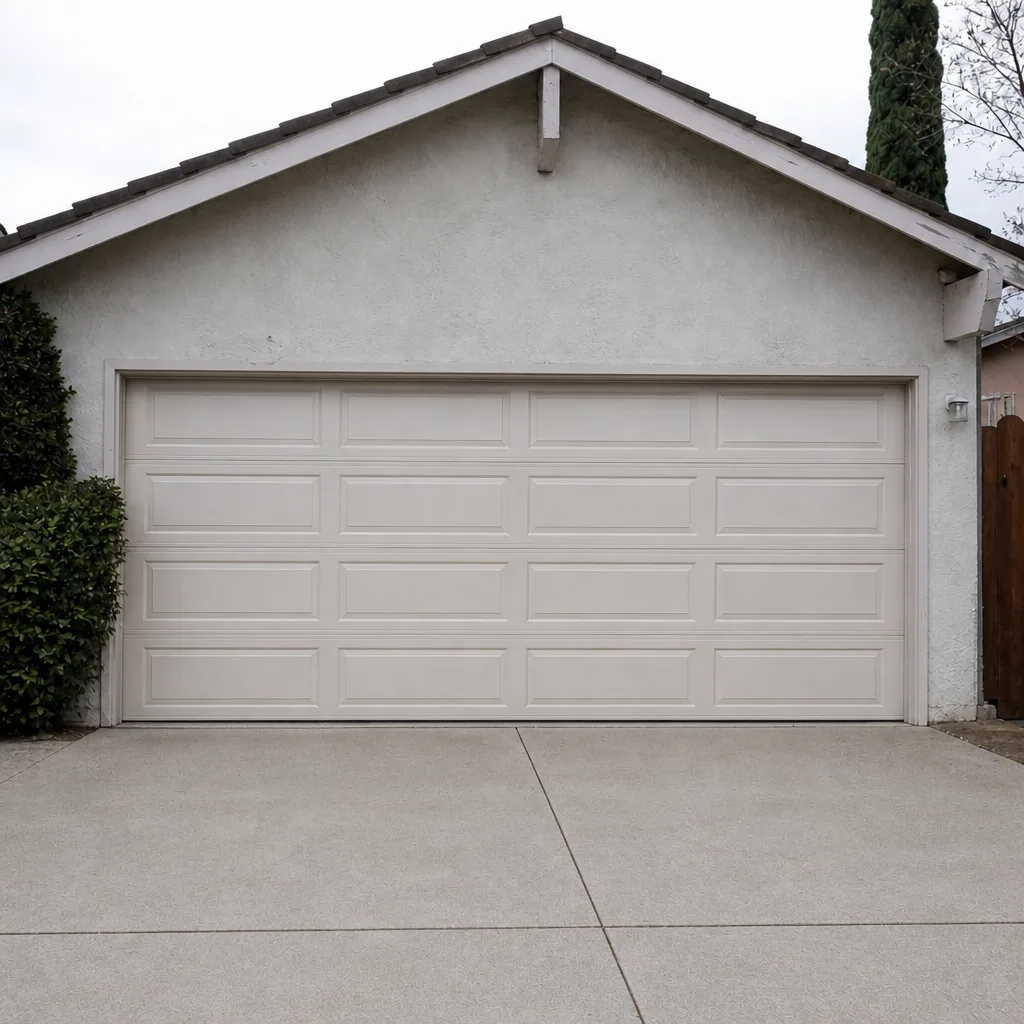
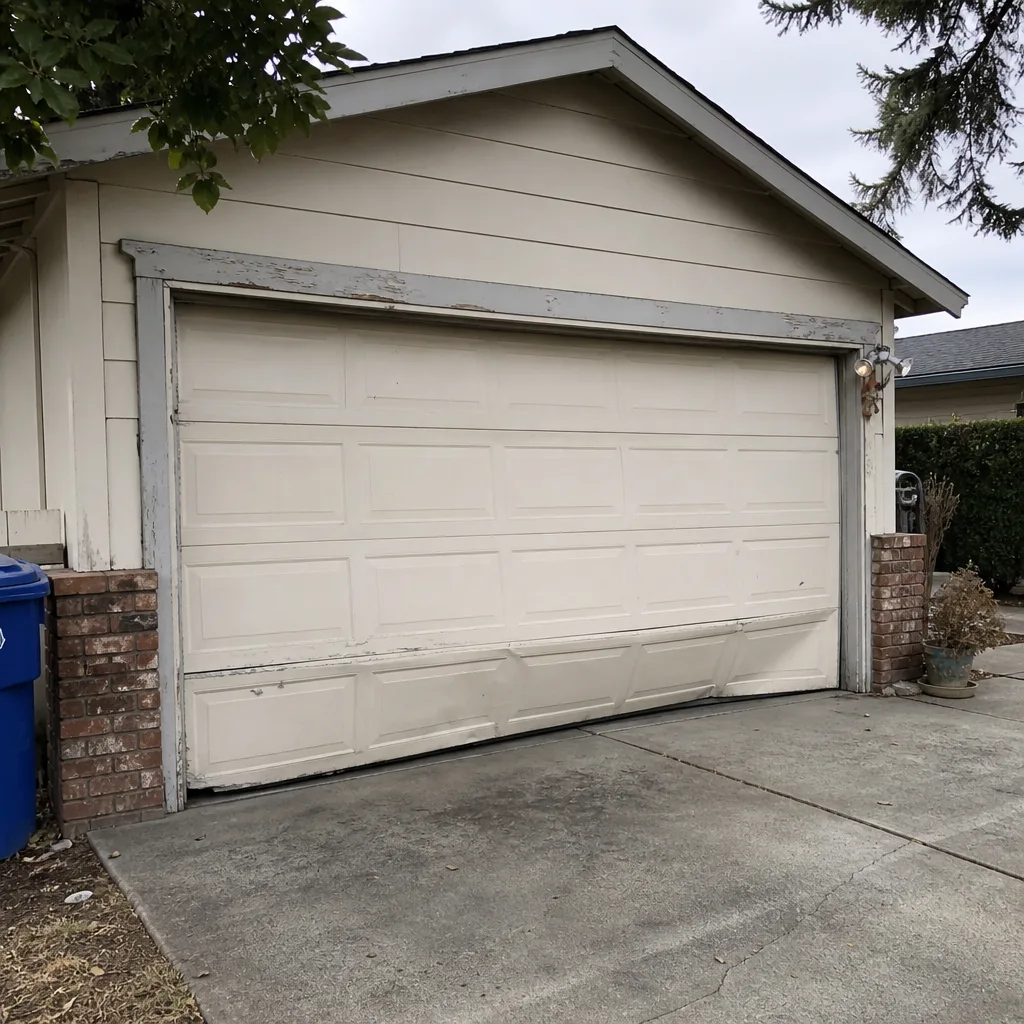
See the difference
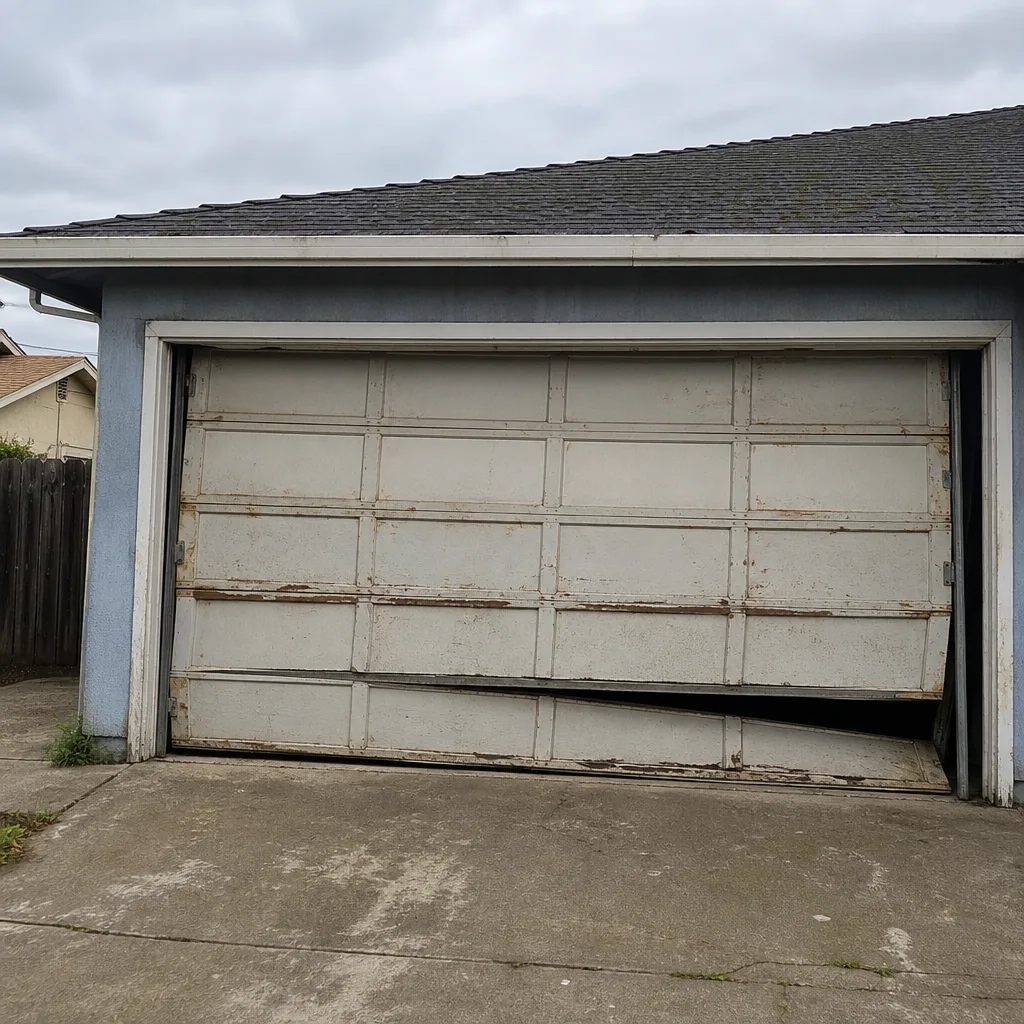 Before
 After
 Before
 After
 Before
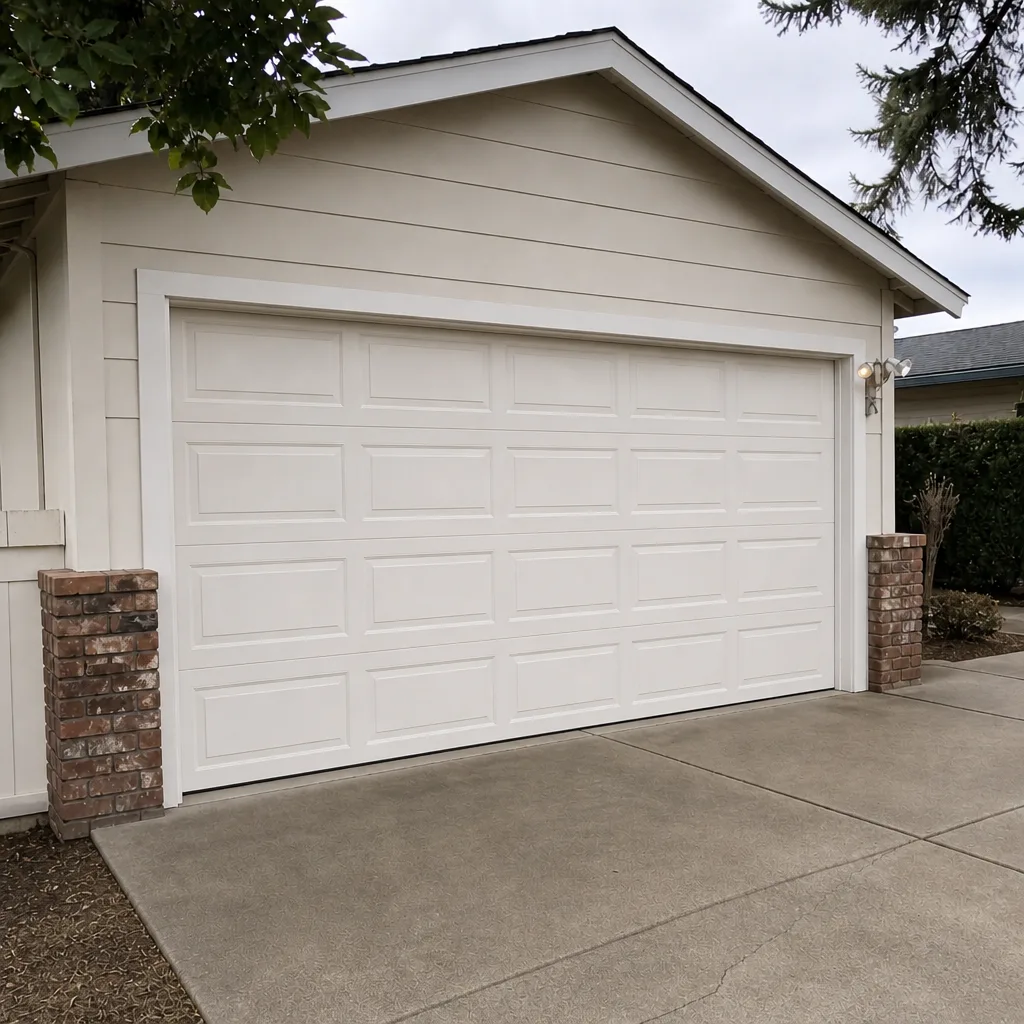 After
When to Call a Professional
Some problems are clear-cut calls. A broken spring, a door that’s off its tracks, an opener that sparks or hums without moving, or a door that’s become dangerously heavy to lift by hand all warrant a professional visit. So does any repair involving electricity or the spring system. If you’re unsure whether a problem is serious, a quick call can settle it. Marigold Garage Door Repair offers free estimates in Stockton. Call (877) 405-9570. We answer 24/7. Fast dispatch from 7am to 7pm, Sunday through Friday. Our technicians have up to 12 years of experience and work on the major brands, so whatever system you have, we can diagnose it and give you a written price before any work begins.
Frequently Asked Questions
Most springs should be inspected every couple of years, and replaced when they show signs of wear. The heat in Stockton accelerates fatigue, so springs here can wear faster than the national average. If your door feels heavy or you hear a loud bang from the garage, have it checked before using the door again. Call (877) 405-9570 for an inspection – estimates are free.
In most cases, we can repair your existing opener. We work on LiftMaster, Chamberlain, Genie, and other major brands, so we diagnose what’s wrong and fix it rather than pushing a replacement. Sometimes a new opener is the right call, but we’ll tell you why and give you a written estimate either way.
Heat causes the door and its components to expand, and it stresses opener electronics. A door that binds or an opener that hesitates only on hot days is showing a heat-related pattern. Lubrication and a spring inspection often solve it. If the problem persists, call (877) 405-9570 and we’ll take a look.
No. Torsion springs store a large amount of energy, and releasing that energy unexpectedly can cause serious injury. Spring replacement is a job for a trained technician with the right tools. Please don’t attempt it yourself.
Steel is the most practical choice for most Stockton homes because it handles heat and UV well and needs little upkeep. Composite is a good option if you want a wood look with less maintenance. Wood is beautiful but requires regular refinishing in this climate. We can talk through the trade-offs for your home and give you a written estimate.
Repair costs depend on the problem, the parts needed, and your door’s condition, so we give a written estimate before any work starts. The price you agree to is the price you pay. Call (877) 405-9570 for a free estimate.
The Bottom Line
Garage doors in Stockton face conditions that generic guides don’t account for: months of heat, constant valley dust, and a housing stock with its own patterns of wear. Match your door material to the climate, keep up with lubrication and spring inspections, and know which repairs you can safely handle versus which ones need a professional. When something goes wrong, call a specialist who works on your brand and puts the price in writing before starting. That’s the approach that keeps a Stockton garage door running quietly for years.
Written by the team at Marigold Garage Door Repair.