
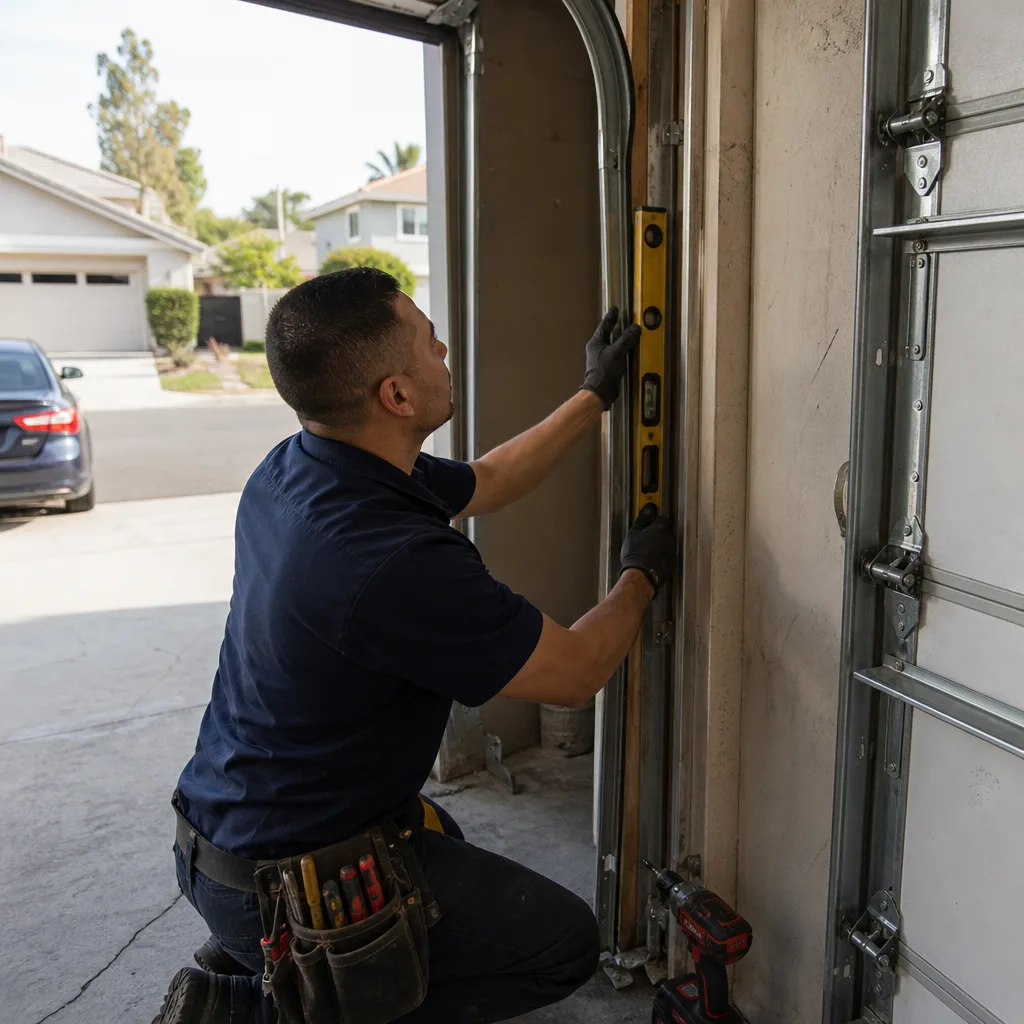
Last updated November 15, 2026
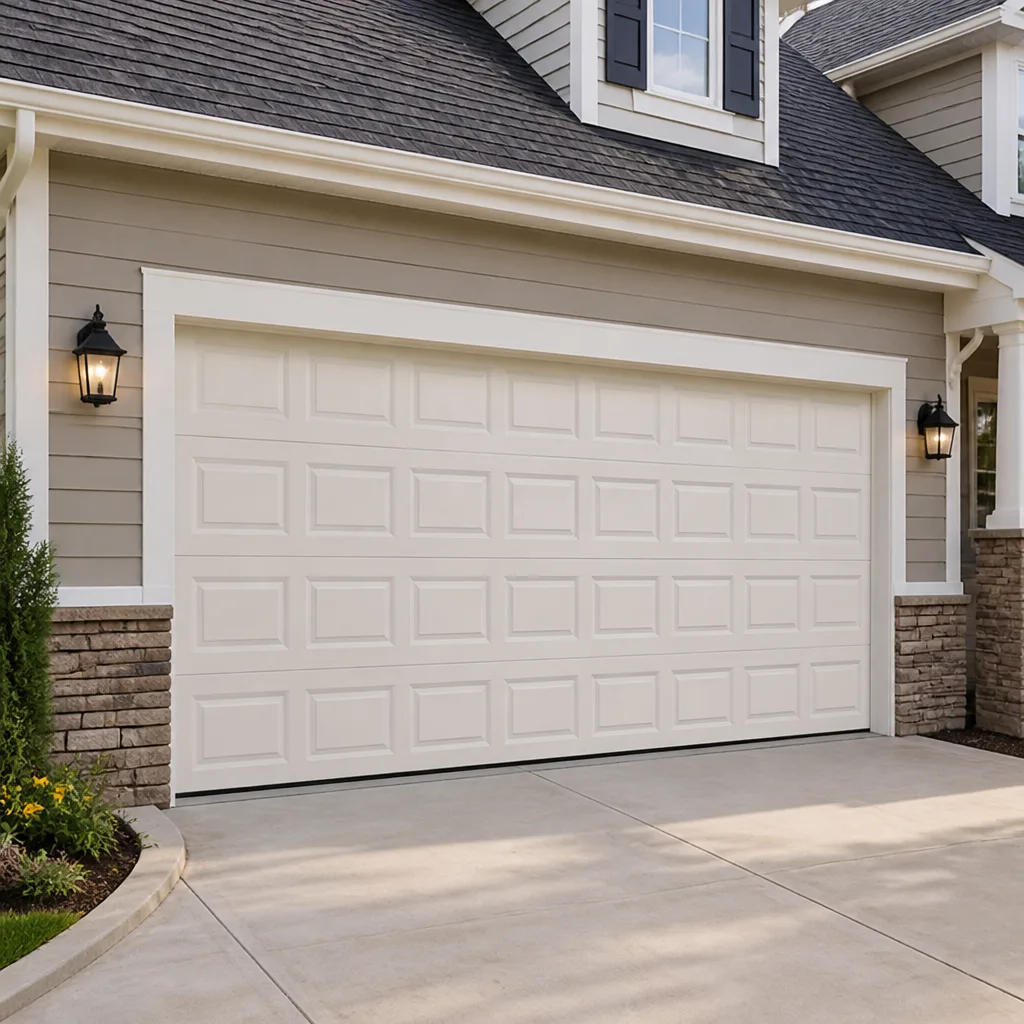 Raised-panel steel
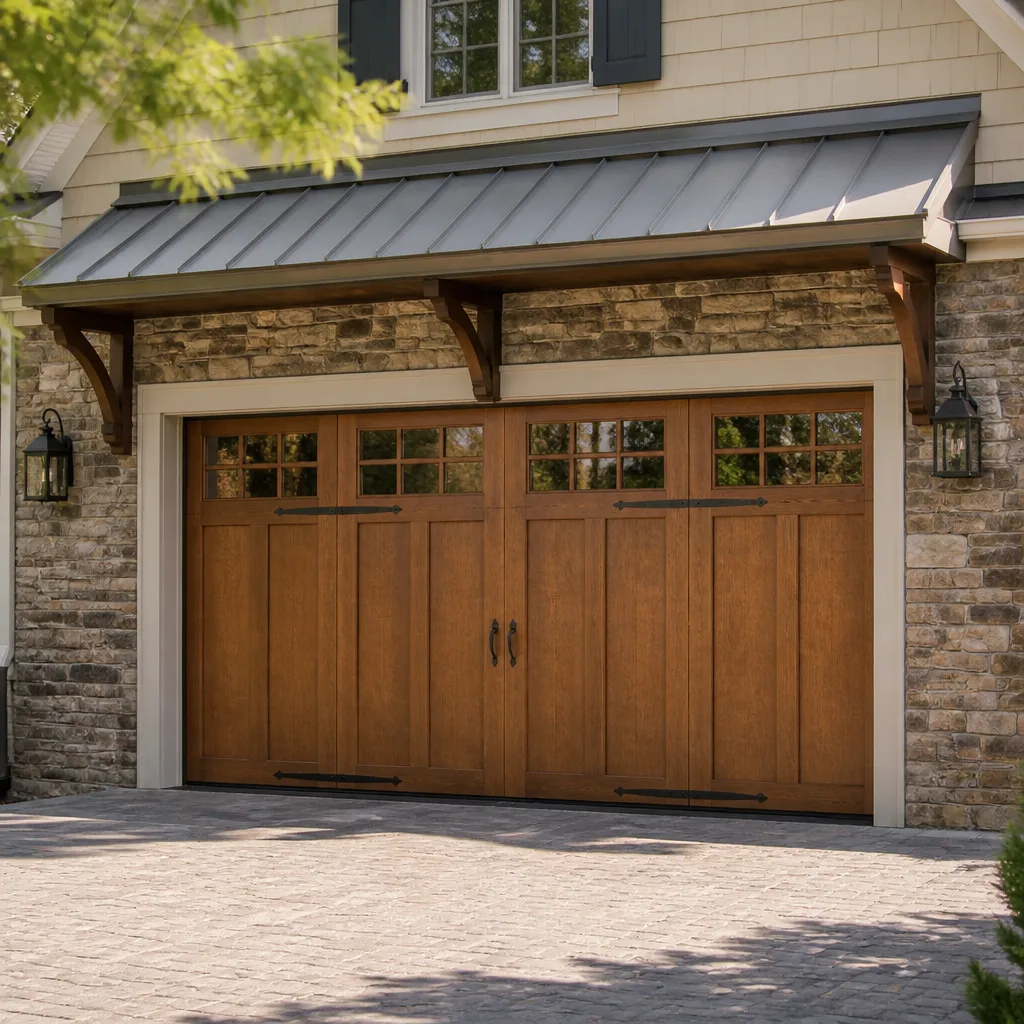 Carriage house
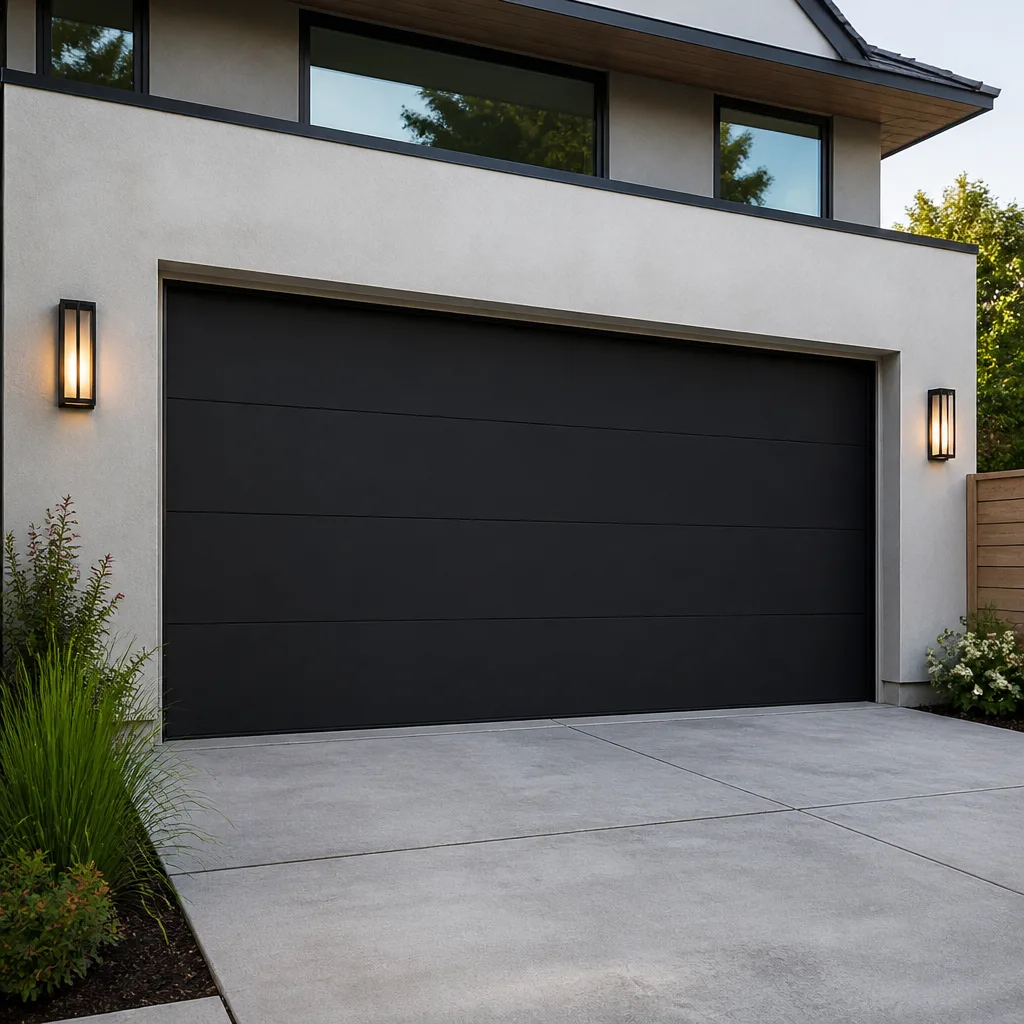 Modern flush
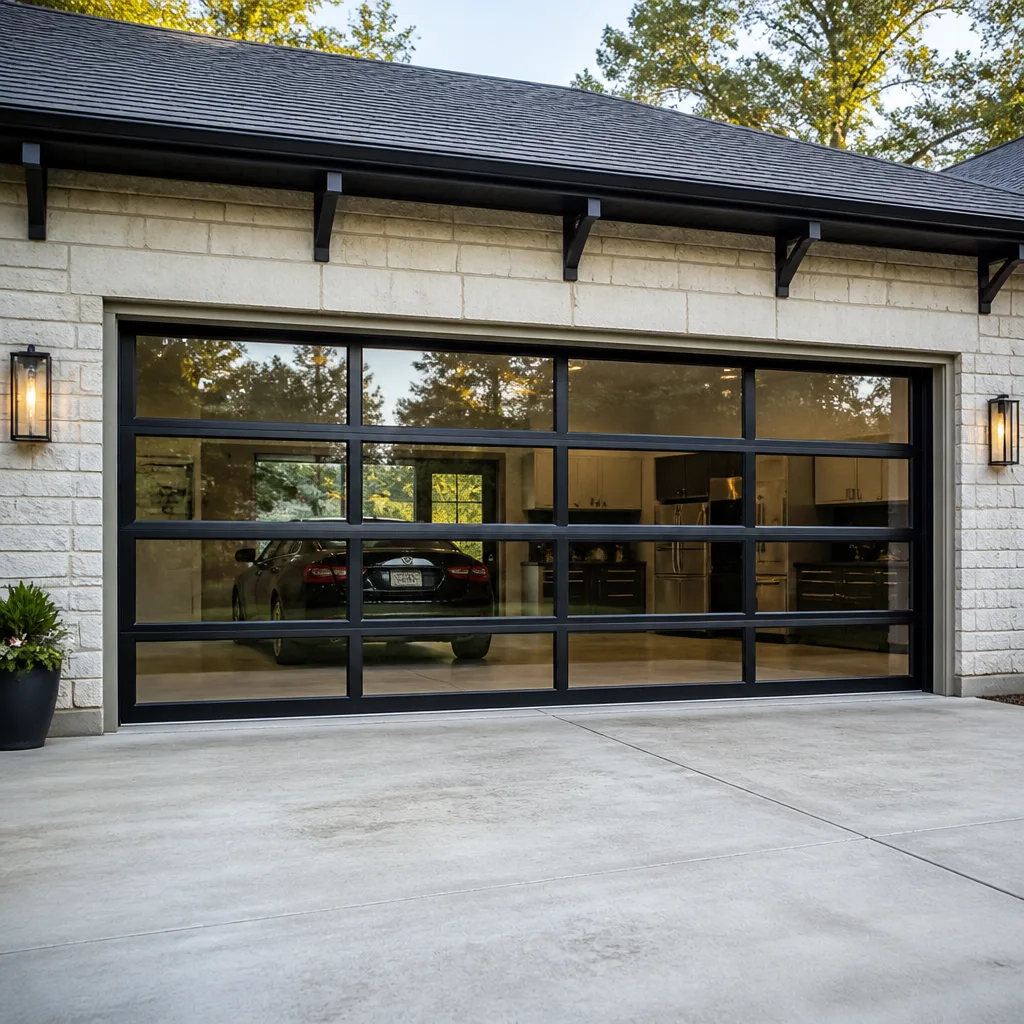 Full-view glass
 LiftMaster openers
 Chamberlain openers
Full 25-point door and opener safety check with every visit - springs, cables, rollers, tracks, and your LiftMaster or Chamberlain opener included
You get a price before we start. It does not change when the pro arrives.
Get your free estimateDIY vs Professional Garage Door: The Stockton Homeowner’s Decision Guide
Most homeowners treat the DIY question as a personality test. Either you’re handy or you’re not, and that decides whether you touch the garage door yourself or call someone. That framing gets people hurt, and it also gets people wasting money on a repair they could’ve handled in ten minutes. Here’s the part that surprises almost everyone: the line between safe DIY and “call a professional” has very little to do with how skilled you are. It’s about which parts of the door store enough energy to hurt you the moment something lets go, and which parts are just switches and sensors. In this guide, we sort every common garage door job into three honest buckets, explain the physics that makes a spring different from a photo eye, and show you how to do the cost math for a Stockton home before you pick up a wrench.
Quick Answer
Some garage door jobs are genuinely safe to do yourself: adjusting travel limits, replacing a keypad, realigning a photo eye, or clearing a track obstruction. Others are strictly professional work because the parts store dangerous energy or the door weighs far more than it looks – springs, cables, and torsion hardware top that list. The deciding factor isn’t your confidence, it’s the task. Sort the job correctly first, then decide who does it.
Styles & brands we work with
- Raised-panel steel
- Carriage house
- Modern flush
- Full-view glass
- LiftMaster openers
- Chamberlain openers
Table of Contents
- Jobs You Can Safely Do Yourself
- Jobs That Need Caution and Research
- The Spring and Cable Jobs That Are Never DIY
- What Tools and Knowledge You Actually Need
- When the Professional Call Is Cheaper Than the DIY Attempt
- How to Describe a Problem You Already Tried to Fix
- What Stockton Homeowners Deal With That Others Don’t
- When to Call a Professional
Jobs You Can Safely Do Yourself
A surprising number of garage door problems have nothing to do with the door itself. They’re opener settings, sensors, or power. These are the jobs where paying a service visit makes little sense, and where we’ll happily tell a Stockton homeowner to save the call and try it first.
- Adjusting travel limits on the opener. If the door stops short of the floor or starts closing before it’s fully open, the travel setting is usually the culprit. Your opener’s manual walks you through it, and it’s a matter of pressing buttons and watching the door move.
- Replacing or reprogramming a remote or keypad. On a LiftMaster or Chamberlain unit this is typically a pairing sequence. Lost remotes and forgotten keypad codes are among the easiest fixes you’ll ever make.
- Realigning a photo eye sensor. The small sensors near the floor at each side of the opening have to point at each other. If the door reverses on the way down, a misaligned or dusty lens is often the reason. Wipe it, check it’s aimed straight, and test the door.
- Clearing an obstruction in the track. A pebble, a wadded leaf, or a bent bracket nudging the roller can stop the door. Visually inspect the tracks and pull anything loose that doesn’t belong.
- Replacing the opener’s battery backup or bulbs. Simple, safe, no moving door parts involved beyond keeping clear while you work.
- Checking the manual release. Knowing how to pull the red cord in a power outage is basic ownership, not repair, and every household should practice it once.
Everything on that list keeps your hands away from springs, cables, and the counterbalance system. You’re working with switches, sensors, and small electronics. There’s no stored tension waiting to release. If the job fits here, DIY is genuinely sensible.
Jobs That Need Caution and Research
The middle category is where homeowners get overconfident. These tasks aren’t automatically dangerous, but they involve door hardware or balancing that can go wrong if you rush or skip steps. Read the full procedure before you start, and don’t improvise.
- Replacing rollers. Worn steel rollers cause most of the noise and vibration homeowners complain about. Swapping them for nylon is a real improvement, but you’ll need to support the door and take the tension off the right way so nothing shifts while you’re up there.
- Lubricating the right parts. A dry door strains the opener. You want a proper garage door lubricant on hinges, rollers, and springs – but not on the tracks, which should stay clean and dry. Getting this backward is a common mistake we see on garage door repair visits.
- Adjusting the opener’s force settings. Upping the force to fix a door that won’t close is a workaround, not a repair, and it can let the door push harder than it should. If you touch this at all, understand what it’s masking before you do.
- Straightening a lightly bent track. A small bend at the top of a vertical track can sometimes be worked back. A track bent near a roller carrying weight should be replaced, not forced.
- Replacing opener wall buttons and safety reverse hardware. Straightforward wiring, but only if you’re comfortable turning off the circuit and matching the wiring to the model.
These are doable, but they reward reading first and working slow. If a step in the process makes you uneasy, that’s your cue to stop – a half-finished roller swap on a loaded door is worse than where you started.
The Spring and Cable Jobs That Are Never DIY
This is where the DIY question changes shape entirely. A torsion spring or extension spring holds the weight of the entire door in a wound-up state. Releasing that tension in a controlled way is a technique, and the parts store enough energy that a mistake can cause serious injury in an instant. It isn’t a liability disclaimer – it’s the physics of a loaded spring.
Cables are just as unforgiving. They run under high tension and keep the door from dropping. A cable that’s come off its drum and is under load can whip when released, and there’s no warning before it does. Neither the skill level nor the carefulness of the person matters if a spring or cable lets go unexpectedly.
For those reasons, the following are professional-only, full stop:
- Torsion spring replacement or adjustment
- Extension spring replacement or adjustment
- Replacing or re-winding lift cables
- Replacing drums, shafts, or the center bearing plate
- Any work on a door that has one broken spring on a matched pair (the remaining spring is still loaded)
A spring is also usually replaced in pairs. Because both springs on a door have worked the same number of cycles, replacing one leaves the other close to failure. Pricing reflects that – a matched pair costs about twice a single spring. If you get a quote for “one spring” on a two-spring door, ask why.
If you suspect a spring or cable issue, don’t touch it. Call a trained technician. We answer 24/7 at (877) 405-9570 and fast dispatch runs from 7am to 7pm.
What Tools and Knowledge You Actually Need
You don’t need a rolling shop of specialty equipment to do the safe DIY jobs. Here’s the realistic list, followed by what actually matters more than tools.
- A working ladder. Sturdy, level, tall enough to reach the opener comfortably without stretching.
- Screwdrivers – Phillips and flathead. Most opener covers, sensor brackets, and remotes need nothing more.
- A cordless drill with driver bits. For roller brackets and wall buttons.
- Adjustable wrench and socket set. For hinge bolts and brackets.
- Garage door lubricant. A silicone or lithium spray meant for door hardware.
- A smartphone. For photographing wiring and bracket positions before you remove anything, and for pulling up your opener manual.
What matters more than the toolbox is knowing two things: how your safety reverse is supposed to work, and where the manual release is. Both are covered in your opener’s manual, which you should keep a copy of. On a Craftsman or Raynor unit, the manual gives you the exact pairing and limit sequences, and the sequence differs by model.
Baseline knowledge also means understanding what NOT to touch. A homeowner who knows the difference between a roller and a spring is already ahead of most. And don’t run the door with the manual release pulled and the spring under load – that removes the counterbalance and puts the full weight of the door on its tracks and you.
When the Professional Call Is Cheaper Than the DIY Attempt
The honest cost comparison isn’t “part price vs. service price.” It’s part price, plus your time, plus the cost of correcting a job that went wrong. Plenty of DIY garage door repairs cost more in the end than the professional visit would have.
- Springs and cables. A new pair of springs sounds cheap until you factor in buying the right size, the winding bars, the risk, and the correction if the tension is off. A matched pair professionally installed typically runs around $260 to $520 depending on the door. Nothing about the DIY version makes that number look like savings.
- Off-track doors. Trying to force a door back onto its tracks can bend panels beyond repair. A single bent panel often means a panel replacement, which is a much bigger job than the original correction.
- Force-setting workarounds. Raising the opener force to keep a straining door moving hides the real problem and wears the opener motor out faster. That’s a repair you saved on today and pay for later.
- Wiring changes to the opener. A miswired wall button or sensor isn’t worth the circuit. If you’re not sure, leave it alone.
- Time. A repair that takes a technician 45 minutes can take an unsure homeowner an entire afternoon, plus another trip for the right part.
The rule of thumb: if the DIY price of the part plus your correction risk adds up to more than a written estimate, it’s not a DIY job. When in doubt, get the free estimate first and decide from a number, not a guess.
How to Describe a Problem You Already Tried to Fix
Half-finished repairs deserve a straight answer, not a lecture. The diagnostic is fast and easy if you can explain what you changed, and it saves the technician time so the repair can go straight to the right part.
- Say what was happening before you started. “The door stopped about six inches short” is more useful than “it didn’t close.”
- List exactly what you touched. Replaced a roller, adjusted travel limits, changed a battery, upped the force setting. Include the order if you can remember.
- Say what changed afterward. If the door reversed twice, or the opener now clicks without moving, that tells us a lot.
- Photograph anything you removed or moved. A picture of a bracket, a roller, or the opener’s wiring beats a paragraph of description.
- Keep the manual release in mind. If the door was left disconnected, tell us. It changes how we approach the diagnostics.
- Mention the brand and any model number. LiftMaster and Chamberlain openers have specific diagnostic codes worth checking before we arrive.
Nobody’s judging a homeowner for trying. If you want our garage door opener repair team to pick up where you left off, just describe the situation honestly and the diagnostic will start in the right place.
What Stockton Homeowners Deal With That Others Don’t
Stockton’s climate and housing stock put some wear on garage doors that homeowners in other parts of the country don’t see to the same degree. Knowing what’s typical here helps you predict what a door is going to need and when.
- Heat and sun. A garage that faces west in the neighborhoods around Lincoln Village and Brookside bakes through the summer. Steel doors expand and contract, panel seams open slightly, and the opener works harder because the door is stiffer in the heat. Lubrication matters more in those months, not less.
- Dry, dusty air. Summer dust and pollen work into tracks and roller bearings. A driveway near Stagg High School or along the streets off Hammer Lane can throw fine grit into the track every time a car pulls in. This is where most of the noise complaints come from – dry rollers grinding on dusty track, not the motor failing.
- Older homes and mixed brands. Stockton neighborhoods move from older homes near the Miracle Mile to newer builds out toward River Islands, and the door systems reflect that. We see plenty of older LiftMaster and Chamberlain openers on doors that have been replaced once already. A mismatched opener and door is one of the most common setups we find.
- Valley heat on the opener electronics. Circuit boards and logic boards don’t love a hundred-plus-degree garage. If your opener only acts up in the summer, the heat is often a factor.
- Two-car garages and matched springs. Most Stockton homes have two-car doors, which means matched spring pairs. That’s worth knowing before you price a repair.
We work on the system you already have. Whether that’s a Craftsman on a house near the University of the Pacific or a Raynor on a newer build, our Marigold Garage Door Repair technicians are trained on eight leading brands and adjust the recommendation to your door, not to what we’d prefer to sell.
Common Mistakes to Avoid
- Forcing a door that won’t close. Pushing or propping a straining door hides a spring or opener problem and can bend panels. Stop, figure out why, then act.
- Turning up the opener force to fix a stick. It buries the cause and wears the motor faster. The door should move easily by hand with the opener disengaged.
- Handling a broken spring yourself. This is the one that ends in the emergency room. The wound spring is under tension even when the door is down. Call a trained professional.
- Replacing one spring on a matched pair. The second spring has aged the same number of cycles and is close to failure. Replace both as a set.
- Lubricating the tracks. A common move that actually causes problems. Keep the tracks clean and dry; lubricate hinges, rollers, and springs only.
- Ignoring a misaligned photo eye. A door that reverses on its own is a safety issue, not a quirk. Realign or clean the sensor and retest.
- Running the door with the manual release pulled and a loaded spring. It removes the counterbalance and puts the full weight of the door on the tracks. Keep the door connected or get help.
See the difference
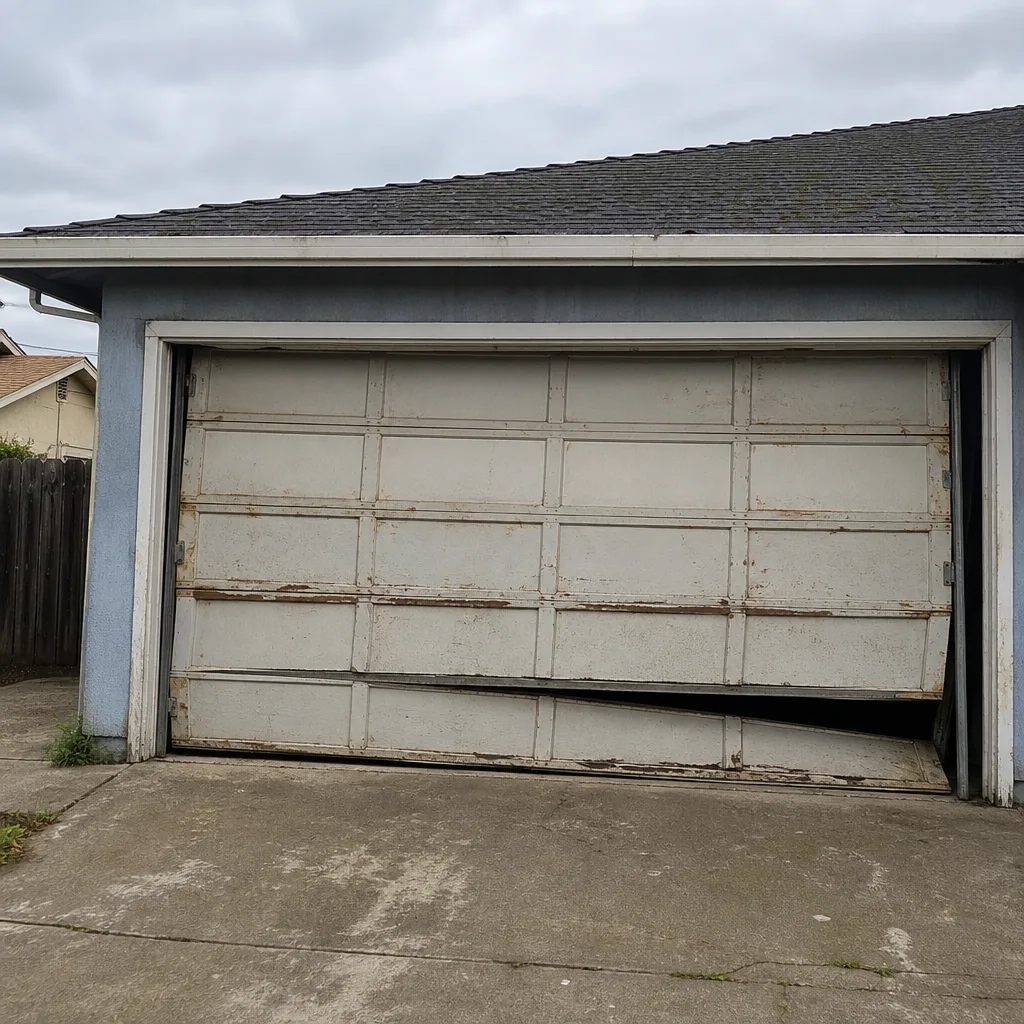 Before
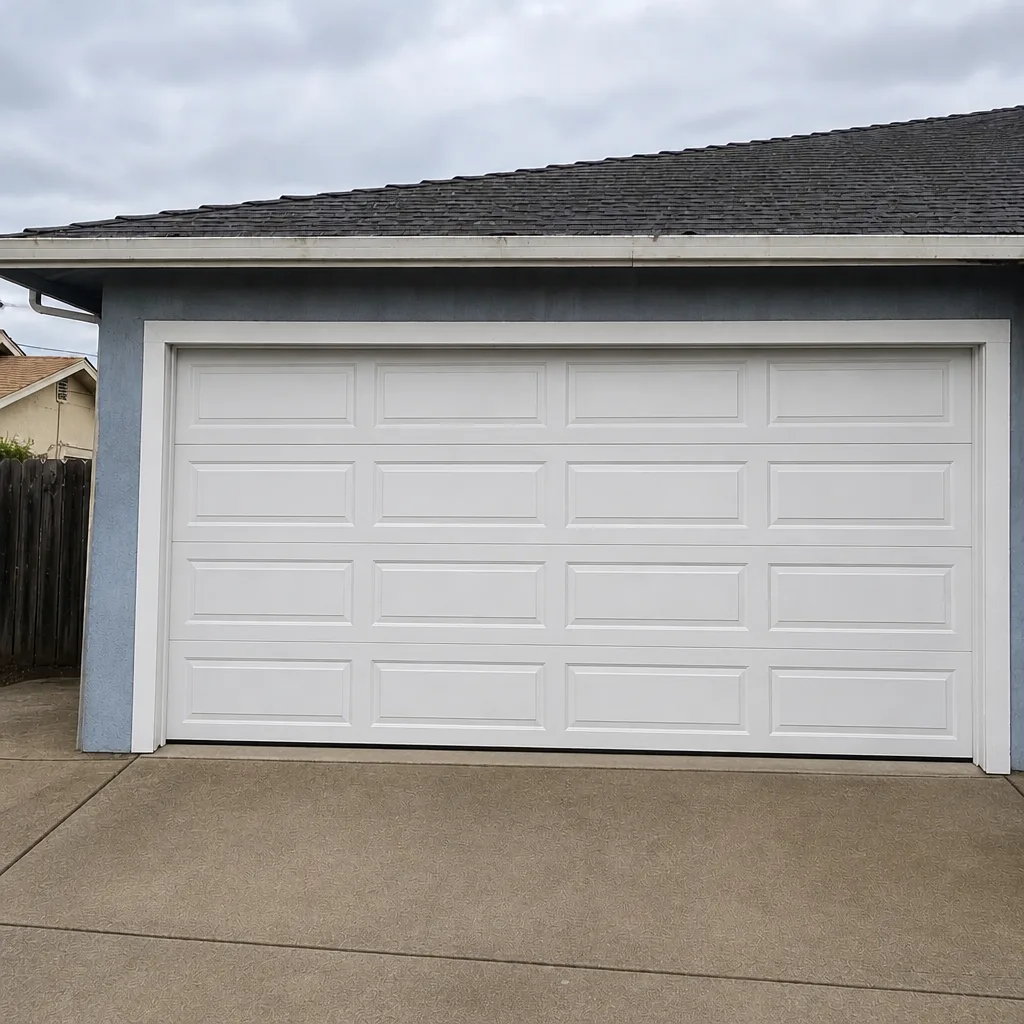 After
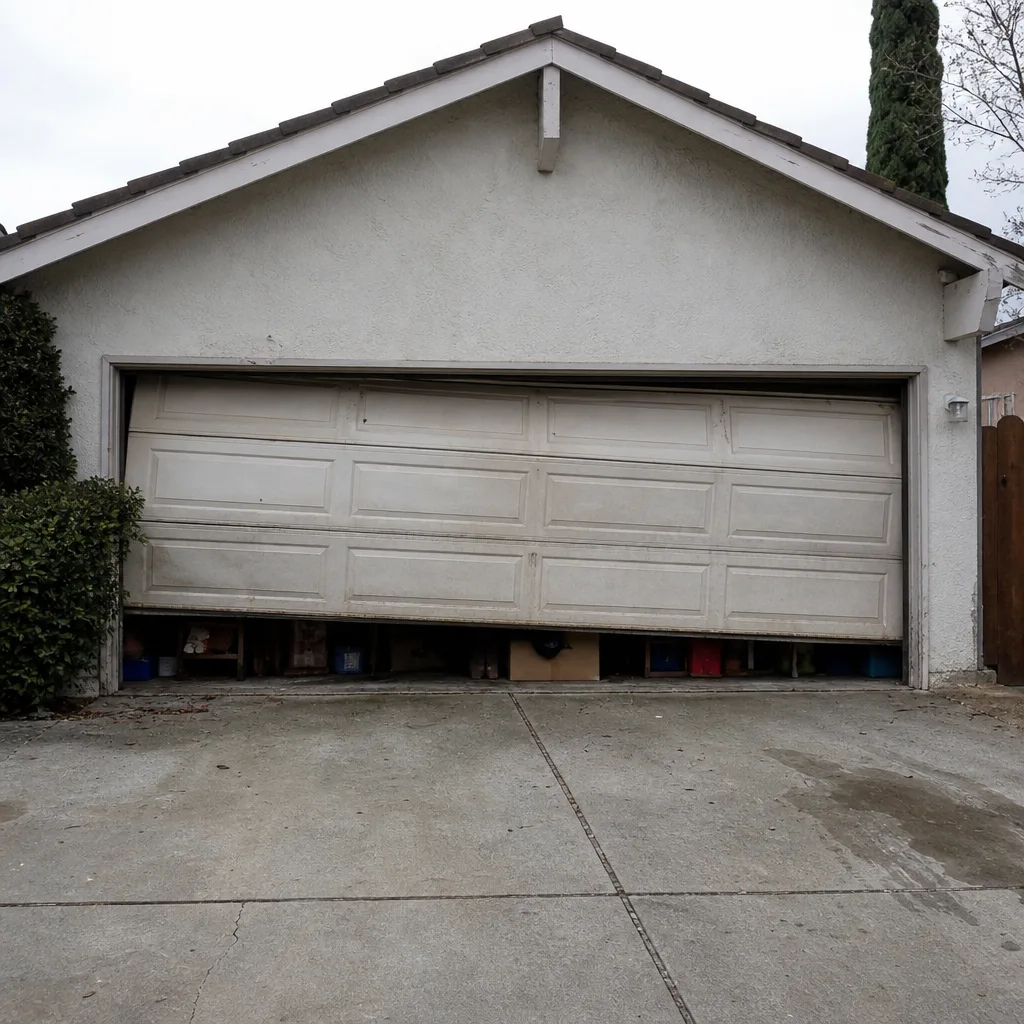 Before
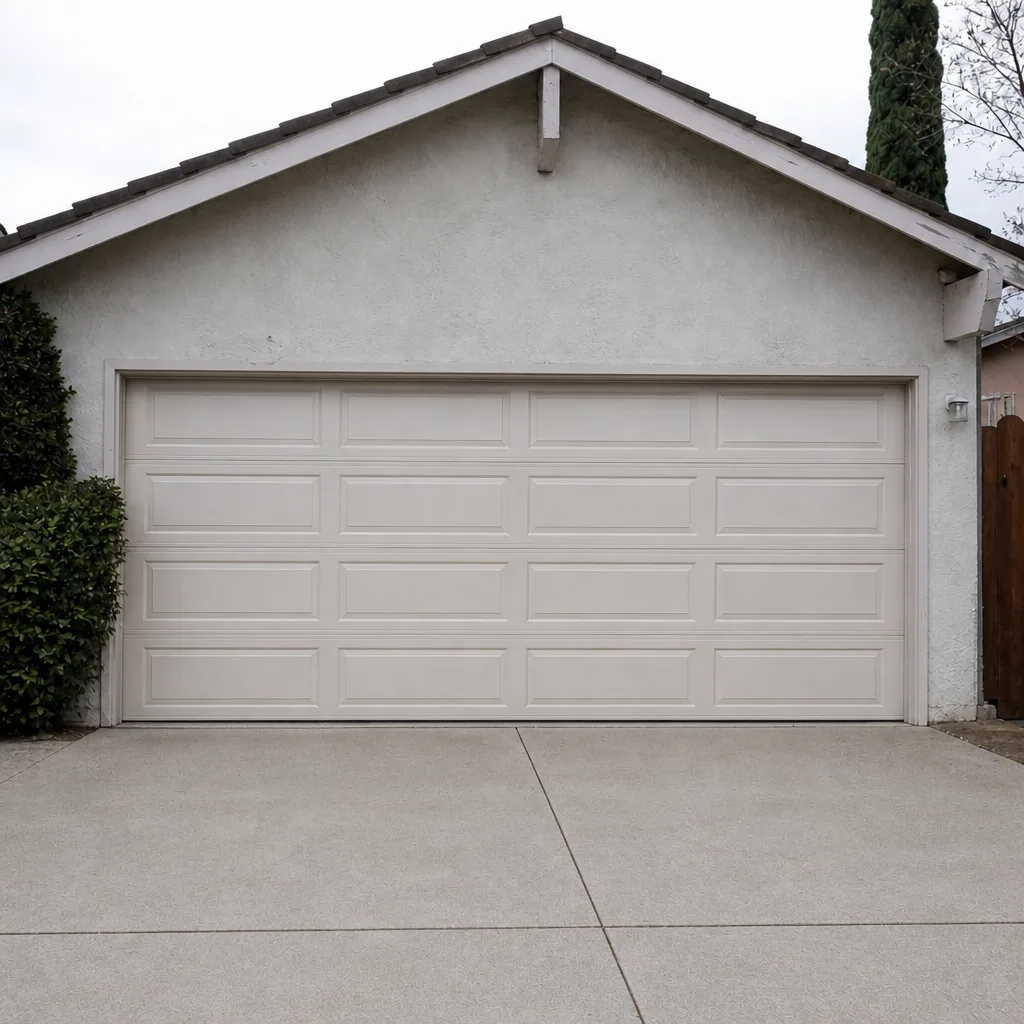 After
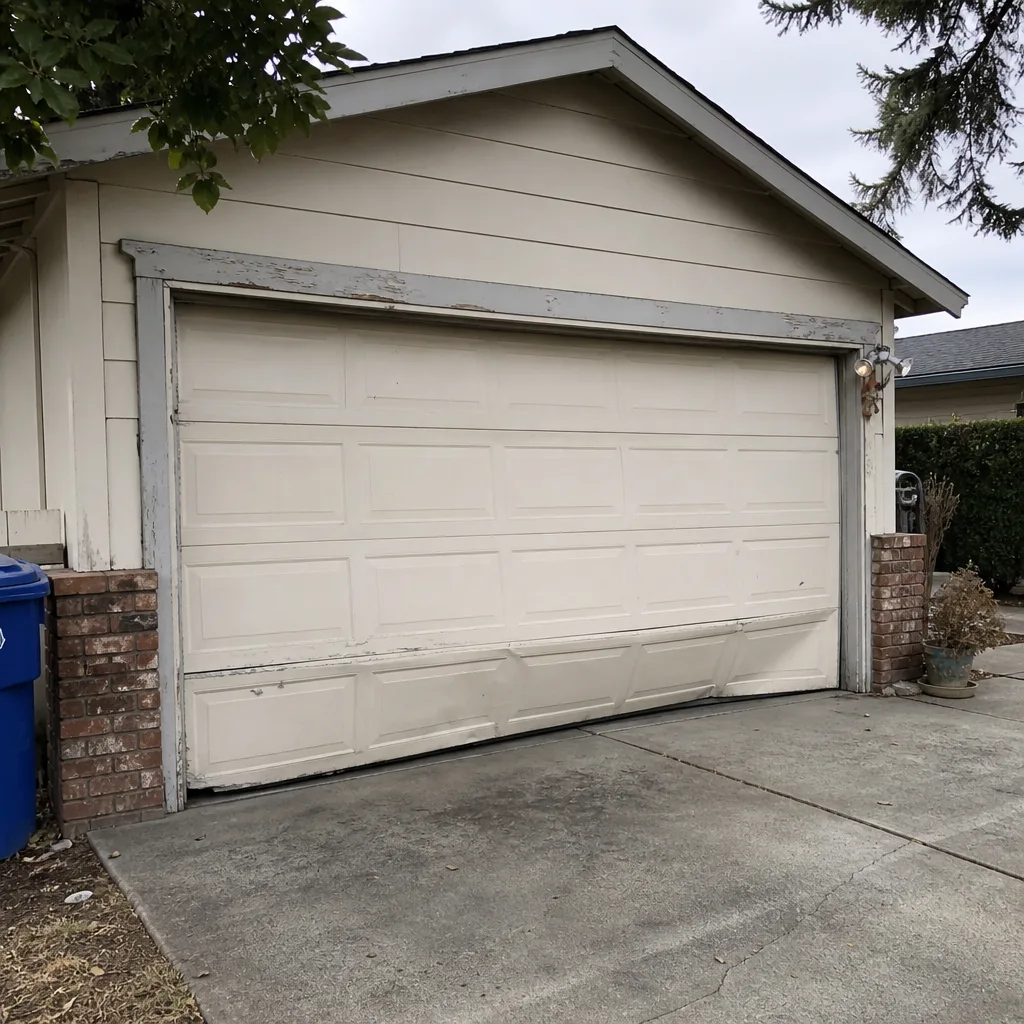 Before
 After
When to Call a Professional
Call a professional if any of the following is true: there’s a broken spring or a loose cable, the door has jumped its tracks, the door won’t stay closed or moves unevenly, the opener clicks without moving the door, or you’ve made a partial repair and are stuck halfway. Those are cases where getting it wrong is expensive or dangerous, and where a trained technician saves you more than they cost. For anything on the safe DIY list – sensors, travel limits, remotes, clearing a track – try it yourself first. Marigold Garage Door Repair offers free estimates in Stockton – call (877) 405-9570. We answer 24/7, with fast dispatch from 7am to 7pm, and we quote the price before any work starts.
Frequently Asked Questions
No. A garage door spring is under dangerous tension even when the door is down, and releasing it incorrectly can cause serious injury. That isn’t a skill question – it’s the physics of a wound spring. Call a trained technician for spring replacement; a matched pair typically runs around $260 to $520 professionally installed. Call (877) 405-9570 for a free estimate.
Adjusting opener travel limits, replacing or reprogramming a remote or keypad, realigning or cleaning a photo eye sensor, and clearing loose debris from the track are all safe DIY jobs. They involve switches, sensors, and small electronics, not springs or cables. Anything that touches the counterbalance system is professional work. Call (877) 405-9570 if you’re not sure which category a job falls into – estimates are free.
It depends on the job, but as a guide: a single spring replacement typically runs around $130 to $260, a matched pair roughly $260 to $520, and a roller or hinge swap or photo eye realignment is usually well under a hundred dollars. The written estimate sets the final price, and we quote before any work begins. Call (877) 405-9570 for an exact quote – estimates are free.
Yes, and a half-finished repair is no problem to pick up. Tell us honestly what you changed, what the door was doing before, and what it’s doing now. We answer 24/7, and fast dispatch runs from 7am to 7pm. Call (877) 405-9570 and we’ll get you booked in.
The written estimate is the price. We quote before any work starts, so there’s no surprise invoice afterward. The only reason a number changes is if you ask us to do additional work, and that gets quoted and agreed first. Call (877) 405-9570 for a free estimate.
It can. Summer heat stiffens steel doors, wears rollers faster, and puts extra load on opener electronics. Lubricating hinges and rollers before summer and keeping tracks clean and dry through the dusty months prevents most of the noise and sticking homeowners report. If your opener only acts up in the summer, a technician can check the logic board. Call (877) 405-9570 – we work on the Stockton schedule and can talk you through what’s typical here.
The Bottom Line
The DIY-or-professional decision isn’t about how handy you are. It’s about the specific task in front of you. Sensors, travel limits, remotes, and clearing a track are genuinely safe DIY, and paying a service visit for them is a waste. Springs, cables, and any counterbalance work are strictly professional because the parts store energy that doesn’t forgive mistakes. Do the cost math honestly – parts, time, and correction risk against a written estimate – and you’ll usually find the line falls in a place you didn’t expect. When in doubt, get the estimate first and decide from a number. That’s how we’d advise a neighbor.
If your door has a problem on the professional side of the line, or you’d rather have someone look before you commit, call Marigold Garage Door Repair at (877) 405-9570 for a free estimate. We answer 24/7, with fast dispatch from 7am to 7pm, Sunday through Friday. Our technicians have up to 12 years of experience, work on the brand you already have, and quote the price before any work starts.
Written by the team at Marigold Garage Door Repair.