
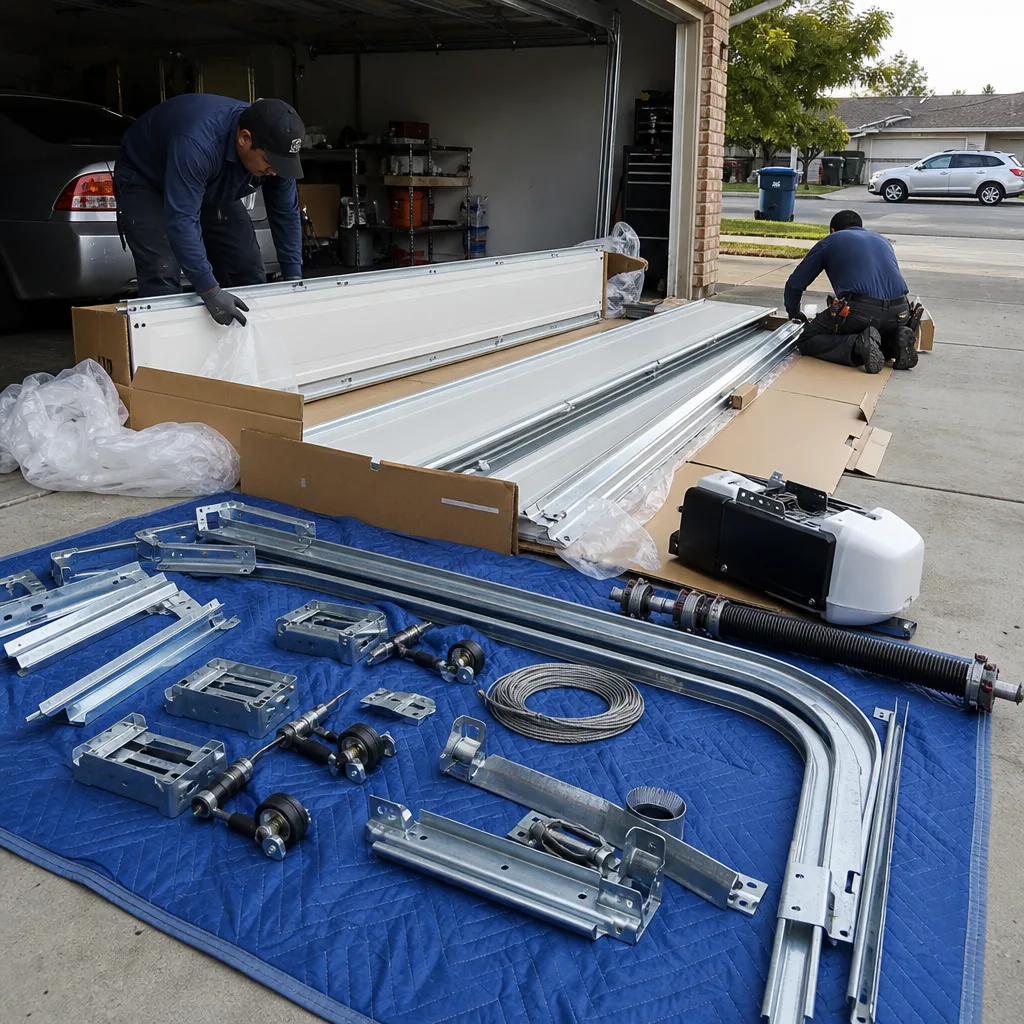
Last updated November 15, 2026
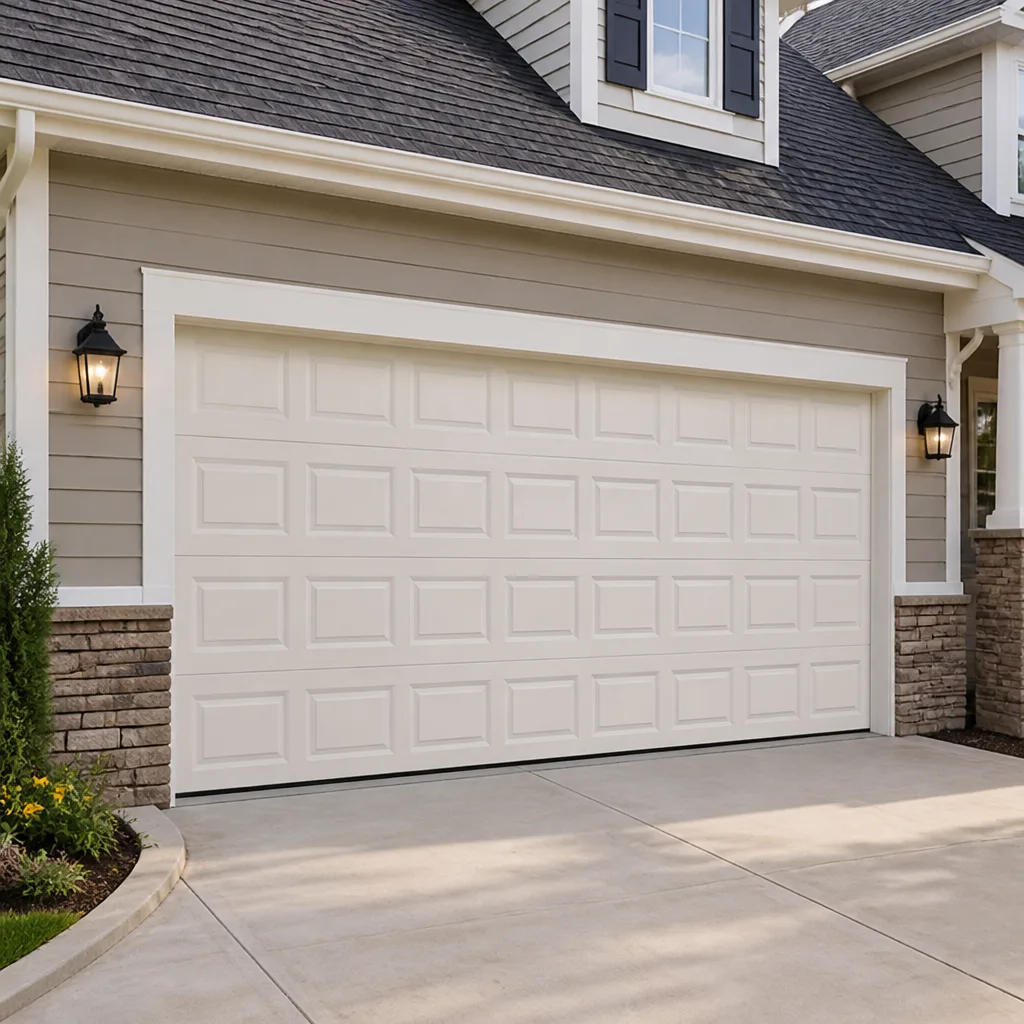 Raised-panel steel
 Carriage house
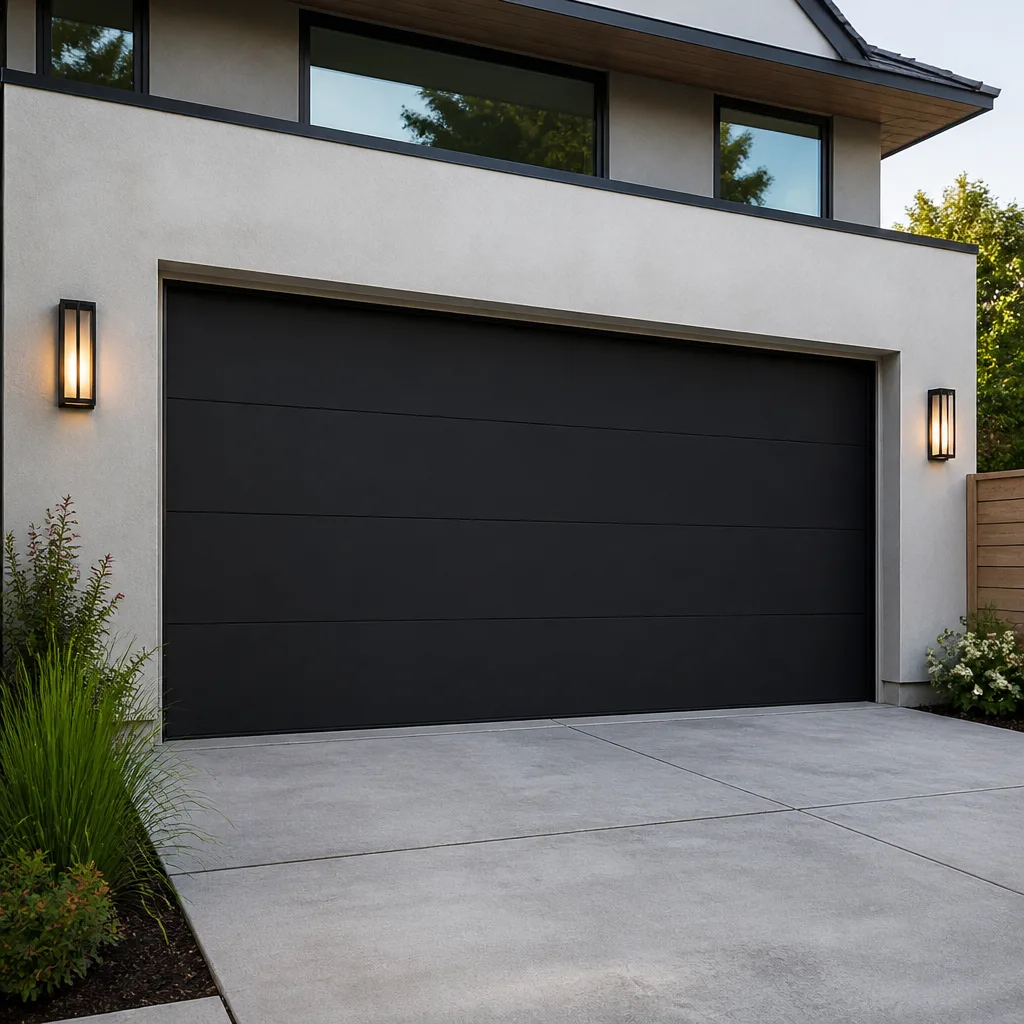 Modern flush
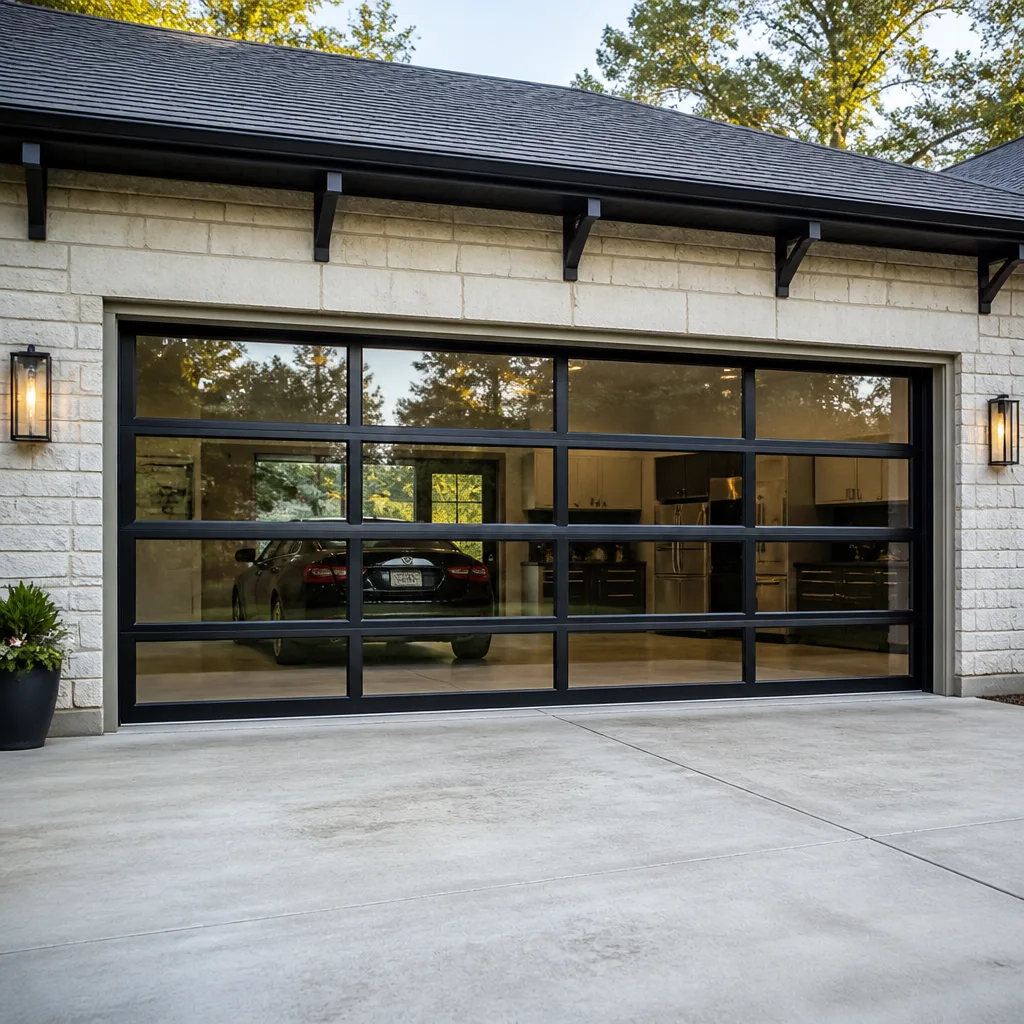 Full-view glass
 LiftMaster openers
 Chamberlain openers
Full 25-point door and opener safety check with every visit - springs, cables, rollers, tracks, and your LiftMaster or Chamberlain opener included
You get a price before we start. It does not change when the pro arrives.
Get your free estimateGarage Door Repair Maintenance Schedule: What to Do and When
One maintenance visit a year is what manufacturers recommend for Chicago. Stockton hits 105°F in July and dips to 32°F in January, so your garage door is essentially doing two climates’ worth of stress in twelve months. That’s the part most maintenance guides miss: the calendar itself matters as much as the checklist. A spring that lives through a Central Valley summer and a frosty winter morning ages differently than one in a mild, steady climate, and the parts that fail here fail on a predictable timetable once you know what to watch. This guide gives you a real two-visit schedule for a Stockton home, the parts that wear fastest in our heat, the force and balance test most homeowners skip, and a simple log to keep so small problems get caught before they strand your car.
Quick Answer
In Stockton, a garage door needs two maintenance visits a year, not one: a spring tune-up in March before the heat arrives and a fall tune-up in October after it breaks. Each visit covers lubrication, balance and force testing, roller and weatherstripping inspection, and a safety-reverse check. Between visits, a quick monthly look and a written log catch slow wear before it turns into an emergency call.
Styles & brands we work with
- Raised-panel steel
- Carriage house
- Modern flush
- Full-view glass
- LiftMaster openers
- Chamberlain openers
Table of Contents
- Why Stockton Needs a Split Maintenance Calendar
- The March Visit: Getting Ahead of the Heat
- The October Visit: Recovering From Summer
- The Parts That Age Fastest in Stockton
- How to Run a Force and Balance Test
- Lubrication by Part Type: What, Where, and What Never
- Your Homeowner Log: What to Record Each Visit
- The Monthly Five-Minute Check
Why Stockton Needs a Split Maintenance Calendar
Manufacturer maintenance intervals are written for a generic climate, and a generic climate isn’t Stockton’s. Summer heat in the Valley pushes garage interiors well past outdoor temperatures, and that heat does two things to a door: it softens and dries out rubber and plastic parts, and it makes metal expand slightly, which changes tolerances on tracks and hinges. Then winter mornings cool everything back down, and the cycle starts over. A single annual tune-up tends to land on one side of that swing and leaves the other side unaddressed for months.
Splitting the year into two visits fixes the timing problem. The March visit prepares the door for the heat it’s about to absorb. The October visit repairs what the summer did and prepares for the cool months. Both visits share a common core, but the focus shifts.
Homeowners across Stockton, from Weston Ranch to the neighborhoods off Pacific Avenue, tend to call a technician when something breaks, not on a schedule. That’s the pattern we’re trying to break. A door maintained on a split calendar rarely gives you a surprise.
A split calendar also makes sense of the garage door repair work we see most often: worn rollers, struggling openers, and weatherstripping that’s given up. Those failures track the seasons closely once you start paying attention.
The March Visit: Getting Ahead of the Heat
March in Stockton is the last comfortable month before the heat sets in, which makes it the right time to catch anything that’s going to fail under summer load. This visit is preventive. The goal is to have the door in its best condition when the thermometer climbs.
- Full hardware inspection. Check every hinge, roller bracket, and bolt for looseness or wear. Heat and vibration loosen fasteners over a summer; tightening them now prevents wobble later.
- Balance test. Disconnect the opener and lift the door halfway by hand. It should hold there with little effort. A door that drifts down or shoots up is out of balance, and the spring is the usual cause. If a spring looks worn or the door won’t hold, that’s a call for a technician. High-tension springs and their cables are dangerous under load and aren’t a homeowner job.
- Roller check. Nylon rollers are the standard here, and after a summer of heat cycling they develop flat spots and hairline cracks. Spin each roller by hand; any that grind or wobble should be replaced before the summer.
- Weatherstripping inspection. Look at the bottom seal and the frame seal. Cracked or compressed weatherstripping lets hot air and dust into the garage and lets cooled air escape, so it’s worth replacing before summer.
- Lubrication. Apply the right lubricant to the right parts (see the lubrication section below). Don’t lubricate the tracks.
- Opener check. Listen to the opener through a full open and close. Grinding, clicking, or a slow start points to motor or capacitor trouble. If your opener is a LiftMaster or Genie, we can tell you in a few minutes whether it needs service. Most homeowners don’t know their opener needs attention until it’s already failing.
March is also a good time to look at the door’s overall condition. A worn panel or a hinge that’s rusted through is cheaper to address now than after another hot summer.
The October Visit: Recovering From Summer
October is the recovery visit. Summer is what ages a garage door most in Stockton, so this is when you repair the damage heat has done and prepare the door for the cool months ahead.
- Weatherstripping replacement. If the bottom seal is cracked or the frame seal is worn, replace it in October rather than replacing it in March. It’ll get you through the cold months and won’t cook for another summer.
- Roller replacement. Nylon rollers that made it through the year on the March visit are usually due now. Replacing them in October means the door runs quietly through winter.
- Spring tension check. Cooler weather changes the feel of a torsion spring slightly. Check the balance again and listen for the door getting harder to lift. A weakening spring usually announces itself in fall.
- Hinge lubrication and bolt tightening. A second pass of lubricant and a tightening check now saves noise and wobble through winter.
- Opener electronics. Openers work harder as the door gets slightly heavier with seasonal change. Check the travel limits and the force setting. If the opener’s been sluggish or making new noises, this is the visit to catch it. A dead capacitor is a common culprit in openers that stall or reverse unexpectedly, and it’s an easy replacement for a technician.
- Sensor alignment. The safety sensors at the bottom of the tracks drift over the year. Realign them and check that a hand passed through the beam reverses the door cleanly.
Treat the October visit as the one that sets you up for the cooler months. It’s also a good time to walk the whole door once more and note anything that looks like it’s aging.
The Parts That Age Fastest in Stockton
Some door parts age faster here than they would in a mild climate. Knowing which ones saves you from surprise failures.
Nylon rollers. Heat is a roller’s enemy. The nylon softens in the summer and hardens again in the cool months, and that cycle produces flat spots and cracks over a couple of seasons. In Stockton, plan on replacing nylon rollers roughly every two to three years. Metal rollers last longer but are noisier, which is one reason most newer doors use nylon.
Bottom weatherstripping. The bottom seal is exposed to ground heat, sun, and dust year-round. It’s the first piece to go brittle. Plan on a bottom seal replacement every two to four years, with the October visit the natural time to do it.
Opener capacitors. Capacitors on the opener motor degrade faster in heat. A capacitor that’s been through two or three Valley summers may start the door slowly or fail to start it at all under load. If your opener is a Chamberlain or a Raynor and it’s starting sluggishly, a failing capacitor is one of the first things a technician will check.
Springs. Springs don’t fail purely from heat, but heat cycling adds to their stress. A torsion spring lives somewhere around 10,000 to 15,000 cycles under normal conditions; in Stockton’s climate, expect the lower end of that range.
How to Run a Force and Balance Test
Most homeowners never test the door’s balance or the opener’s force setting. Both matter, and both quietly affect the life of your opener. Here’s how to check them safely, without adjusting anything that requires a technician.
Balance Test
- Close the door and disconnect the opener using the manual release cord.
- Lift the door by hand to about waist height and let go.
- A well-balanced door stays there. A door that drifts down or shoots up is out of balance.
- Lift it to shoulder height and lower it slowly. It should move smoothly without binding or scraping.
- Reconnect the opener and run the door through a full open and close.
If the door won’t hold or feels uneven, the springs or cable tension need attention. Don’t try to adjust the springs yourself. That’s genuinely dangerous work.
Force Test
- Close the door and stand clear of the tracks.
- Press the opener’s close button and, as the door moves down, place a hand lightly under the edge to feel for resistance. The door should reverse reasonably quickly if it meets an obstruction.
- Test the safety sensors by passing an object through the beam at the bottom of the tracks. The door should stop and reverse.
An out-of-balance door that fights its opener quietly destroys the opener motor over 18 to 24 months. It’s one of the most common repair patterns we see. If the balance test is off, the opener’s force setting won’t compensate indefinitely. Fixing the balance is the real fix.
Lubrication by Part Type: What, Where, and What Never
Lubrication is where most generic guides get it wrong. The rule isn’t “spray everything.” Each part needs the right lubricant, and some parts shouldn’t be lubricated at all.
What to Lubricate, and With What
- Hinges: White lithium grease on the hinge pivots.
- Rollers: White lithium grease on the metal stems, not the nylon wheels themselves. A light spray on the stem is enough.
- Springs: White lithium grease on the torsion spring, applied along its length. This one surprises people, but the spring benefits from a thin coat.
- Weatherstripping and seals: Silicone spray keeps rubber and vinyl seals pliable without attracting dirt.
What Never to Lubricate
- The tracks. This is the mistake most homeowners make. Greasing the tracks attracts dust and grit, which then binds the rollers. Tracks should be wiped clean with a dry cloth, not lubricated.
- Any part with a manufacturer’s “do not oil” label. Some opener parts and some newer roller assemblies are designed to run dry.
Use the March visit for the main lubrication pass and the October visit for a lighter refresh. Silicone on the seals can be done any time they start to look dry or feel stiff.
Your Homeowner Log: What to Record Each Visit
A simple written log turns a maintenance schedule into something more useful: a record that helps a technician spot patterns before they become emergency calls. You don’t need a specific app. A notebook in the garage works.
Record these items each visit:
- Date of the visit.
- Door balance result (held at halfway, drifted, shot up).
- Any new noises (grinding, squealing, banging) and where on the door you hear them.
- Opener behavior (smooth, slow start, reversed unexpectedly, remote lag).
- Roller condition (smooth spin, flat spots, cracks).
- Weatherstripping condition (pliable, cracking, gaps).
- Lubrication done (which parts, what product).
- Anything that changed since the last entry.
The point of the log is that spring wear, sensor drift, and opener slowdown happen gradually. A technician who can see three visits’ worth of notes can often predict a spring failure before it happens. You can see what changed and what didn’t between visits.
If you’d rather not maintain the log yourself, that’s fine, but keep the two-visit calendar itself. It’s helping more than you’ll notice on any given day.
The Monthly Five-Minute Check
You don’t need to do a full tune-up every month. A five-minute visual check keeps small things from becoming big ones.
- Open and close the door slowly and listen for any new sound.
- Look at the rollers. Any obvious flat spot, crack, or wobble is worth noting.
- Check the bottom seal for gaps or tears.
- Press the opener remote and watch the door. Does it move smoothly, or is there a hesitation or a lurch?
- Test the safety reverse by passing an object through the sensor beam.
- Note anything new in your log.
Monthly checks catch problems early. They also make your two planned visits more productive, because you’ll walk the technician through what changed.
Common Mistakes to Avoid
- Doing a single annual tune-up. A single visit doesn’t address both sides of the Stockton temperature swing. Split it into March and October and you’ll get far more life from the door.
- Lubricating the tracks. This is the mistake we see most. Grease on the tracks collects grit and makes the door stiff. Clean them dry.
- Skipping the balance test. If the door doesn’t hold halfway, the springs or cables are off, and the opener has to fight it. Fix the balance before it damages the opener.
- Ignoring a slow-starting opener. A sluggish start is often the first sign of a failing capacitor. In our experience, a slow starter turns into a non-starter within a few months if left alone.
- Waiting for weatherstripping to fall apart. By the time the bottom seal is visibly shredded, it’s already cost you a summer of cooling.
- Adjusting springs yourself. High-tension springs and their cables are dangerous. Get a trained technician involved for anything that touches spring tension.
- No log. Without notes, you can’t see gradual changes. A log turns routine maintenance into real diagnosis.
See the difference
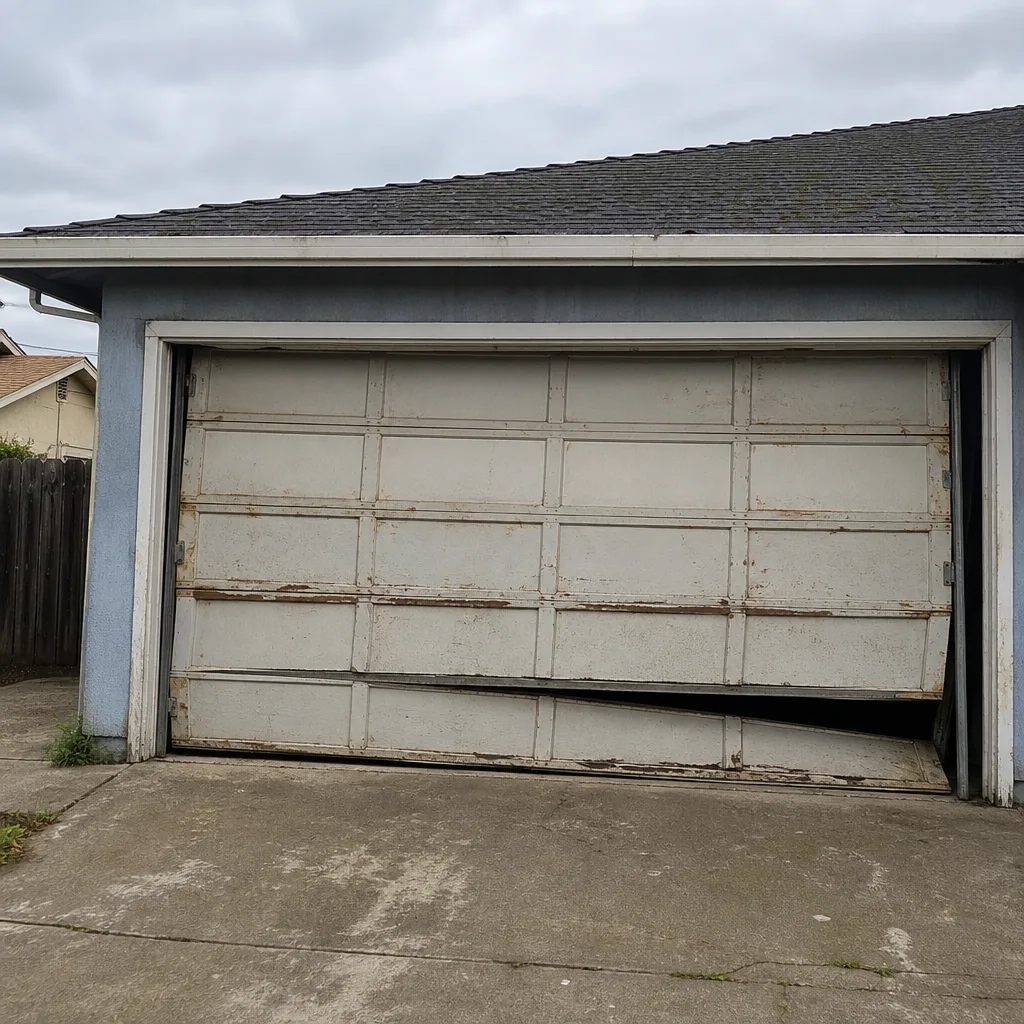 Before
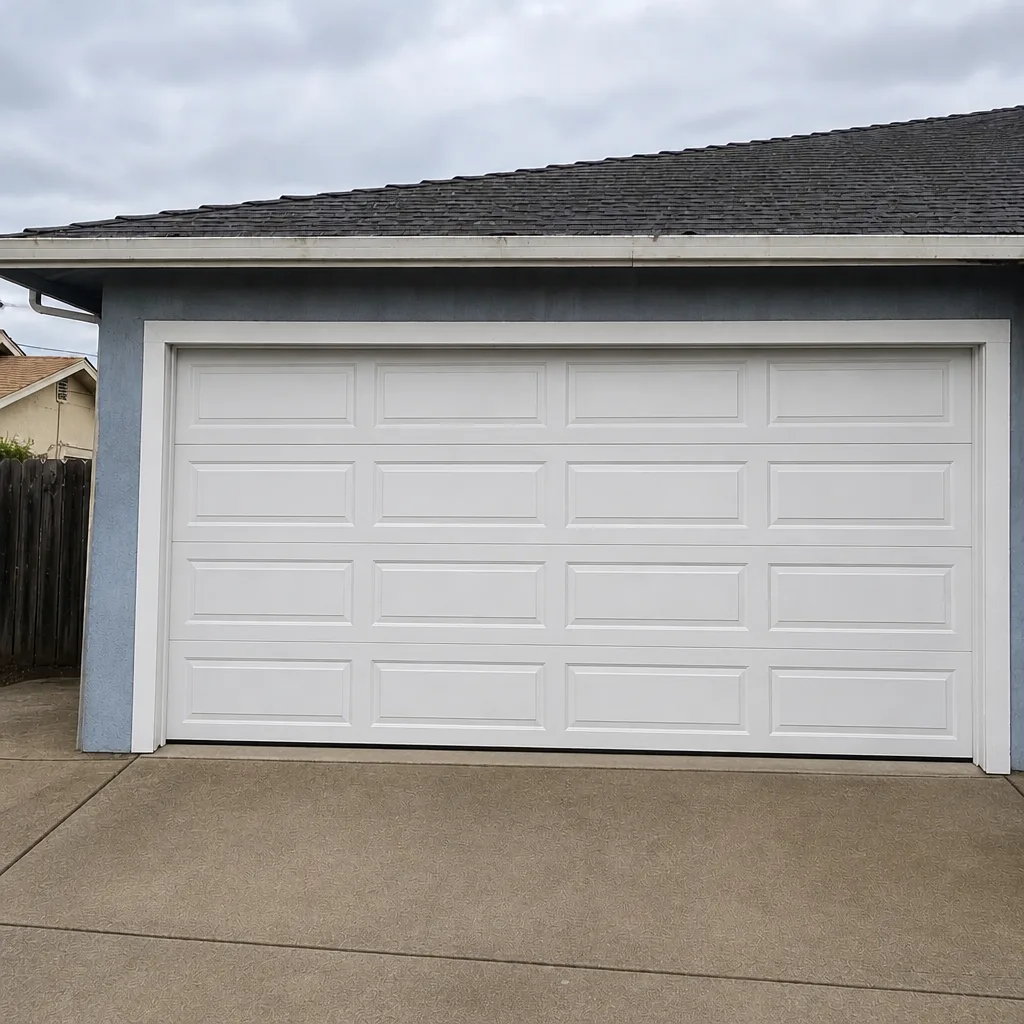 After
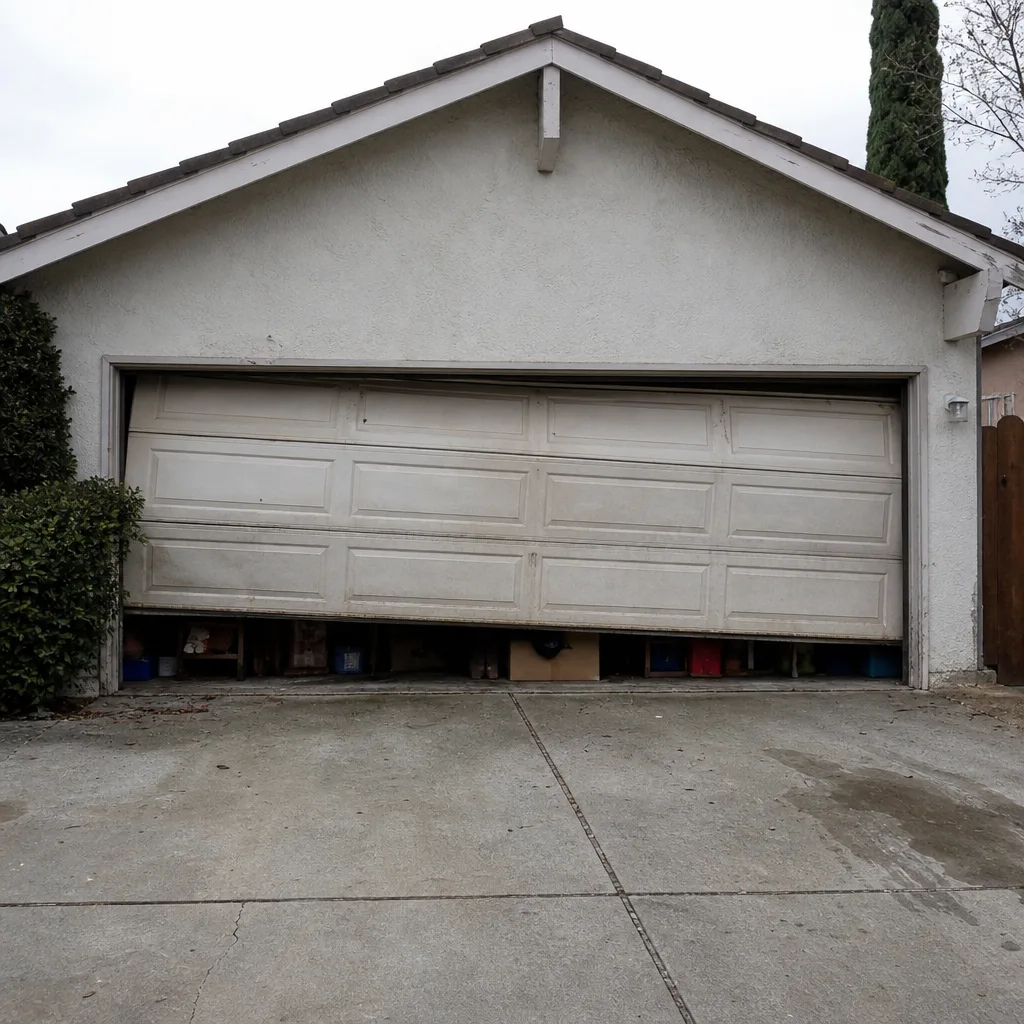 Before
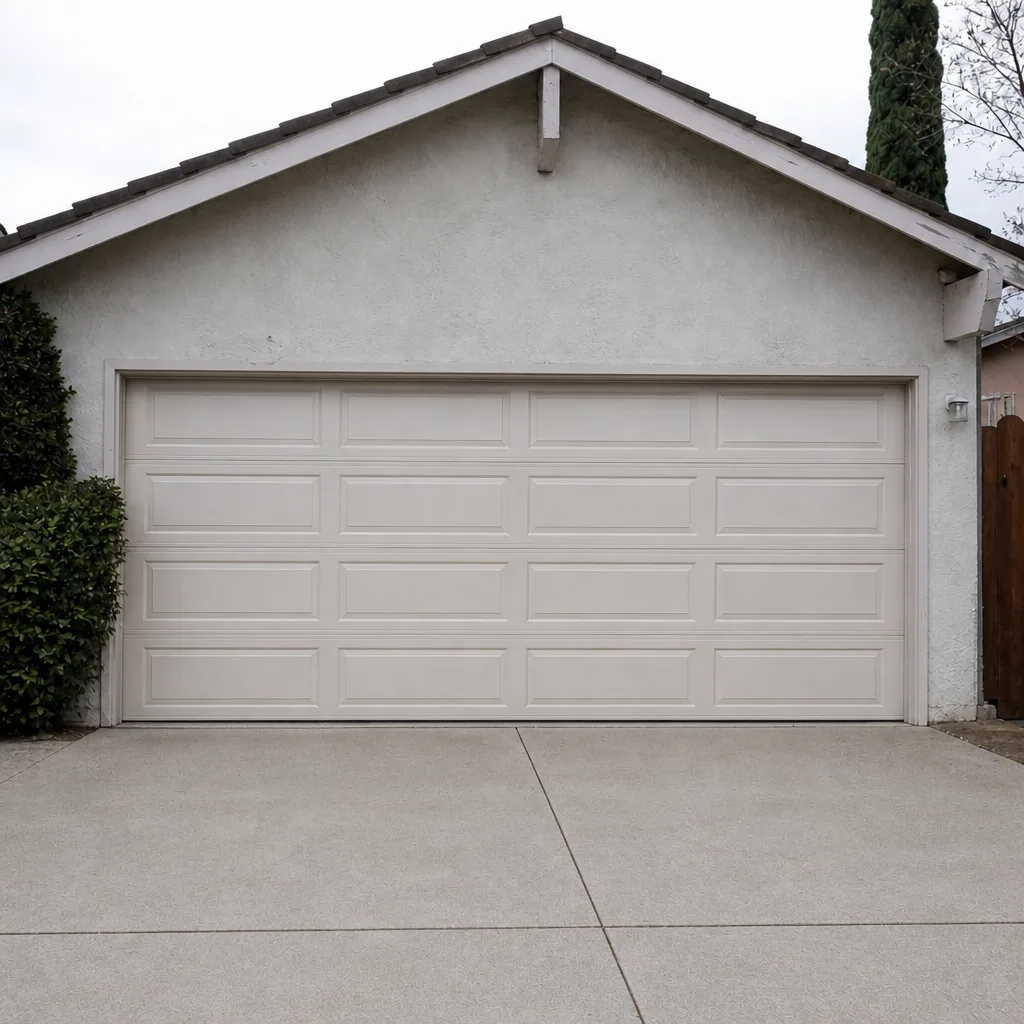 After
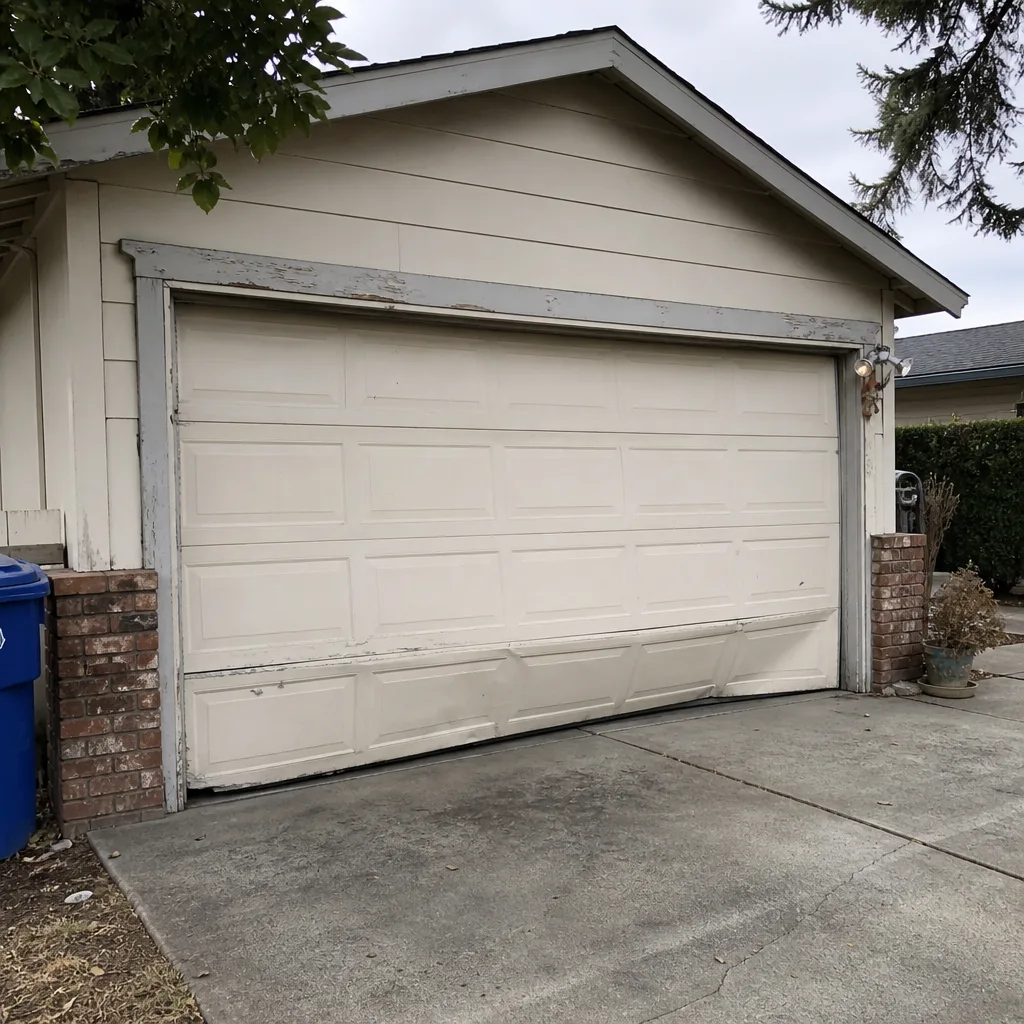 Before
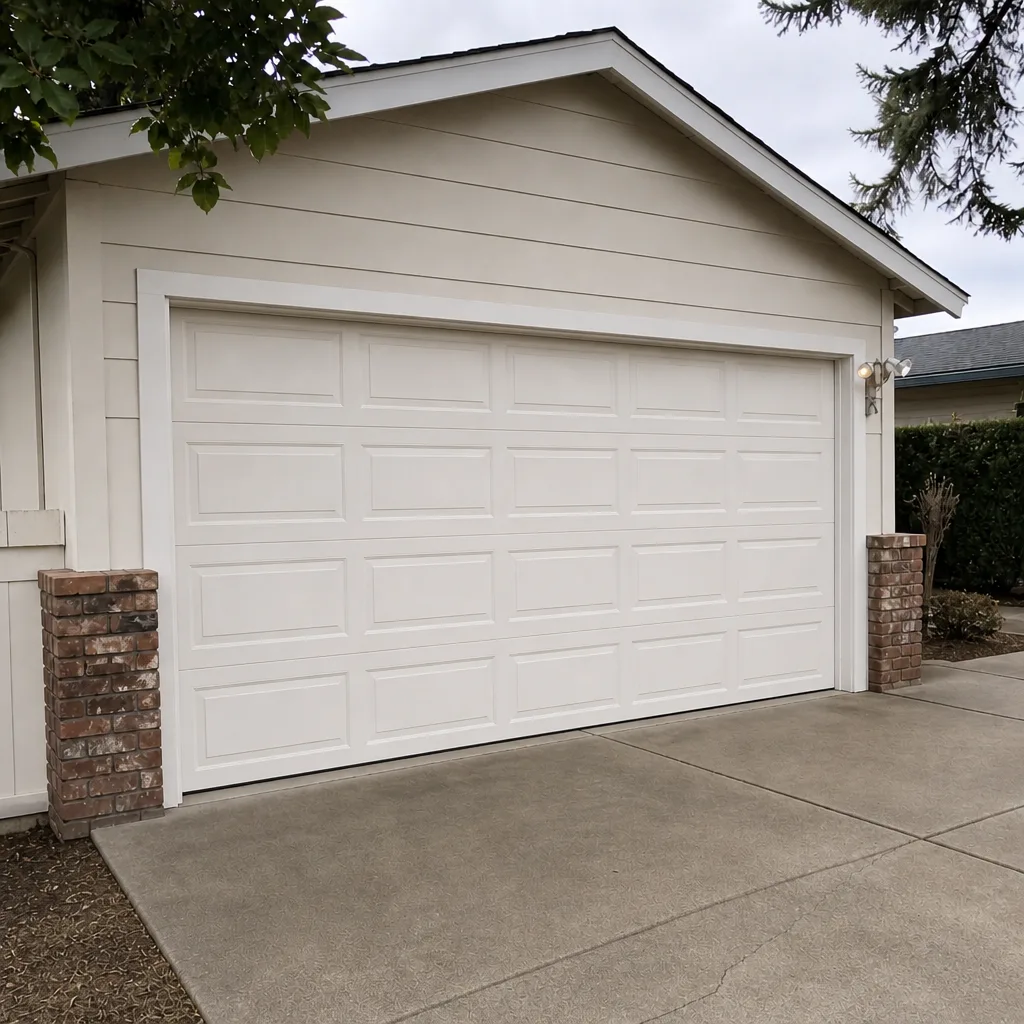 After
When to Call a Professional
Some jobs are routine and safe to do yourself: lubricating hinges, replacing weatherstripping, and running the monthly check. Other jobs shouldn’t be a DIY project. Call a trained technician for anything involving spring tension, cable work, off-track doors, or opener electronics you’re unsure of. The safety line on tension springs is real. Leave the spring tension and cable work to a professional; the risk to a homeowner isn’t worth the repair cost.
Marigold Garage Door Repair offers free estimates in Stockton. We handle both the mechanical door and the electronic opener, so if a diagnosis needs both, you don’t need to call a second company. If your opener is a LiftMaster, a Chamberlain, a Genie, or a Raynor, we work on what you own.
We also see plenty of owners in Stockton who reach out when something breaks. If you’re not sure whether you need a repair or a tune-up, that’s the easiest call to make. Call (877) 405-9570, tell us what the door is doing, and we can tell you whether it’s a maintenance item or something more.
Frequently Asked Questions
Twice a year: once in March before the heat and once in October after the summer. The split calendar is the right fit for Stockton’s temperature swing, which runs from 105°F in July down to 32°F in January. A single annual service leaves one side of the swing unaddressed.
Yes, for most routine lubrication. White lithium grease on hinges, roller stems, and springs, and silicone spray on seals. Don’t lubricate the tracks. If you’re not sure which product goes where, ask a technician on your next visit.
A tune-up is preventive. It covers lubrication, balance testing, roller and weatherstripping inspection, and safety-reverse testing. A repair is corrective: a broken spring, a door off its track, or an opener that won’t respond. If your door has stopped working, you need a repair.
A torsion spring typically lives somewhere around 10,000 to 15,000 cycles under normal conditions. Stockton’s temperature cycling adds stress, so plan for the lower end of that range. Watch the balance test and note changes in your log to predict spring wear.
The opener needs attention too. Check its force setting and travel limits each October. Listen for the slow-start sign of a failing capacitor, which is more common after a couple of hot summers and is a routine replacement for a technician.
We offer maintenance and repair across Stockton, including the neighborhoods off Pacific Avenue and out toward Weston Ranch. The estimate is free, and the price is set per job by the written estimate before any work starts. Call (877) 405-9570.
The Bottom Line
The maintenance model that works here is a split calendar, March and October, timed to the two ends of the Stockton temperature swing. Nylon rollers, weatherstripping, and opener capacitors are the parts that wear fastest in this climate, and the force and balance test is the check that quietly protects your opener. Lubricate with the right product, leave the tracks dry, and keep a log. If you’d rather have a professional handle the tune-ups, that’s what our garage door opener repair and maintenance work is for, and you can read more about our coverage in Stockton on our site. Whether your opener is a LiftMaster, a Genie, or a Chamberlain, we work on the system you actually own.
Call (877) 405-9570 for a free estimate. We answer 24/7. Fast dispatch from 7am to 7pm, Sunday through Friday.
Written by the team at Marigold Garage Door Repair.