
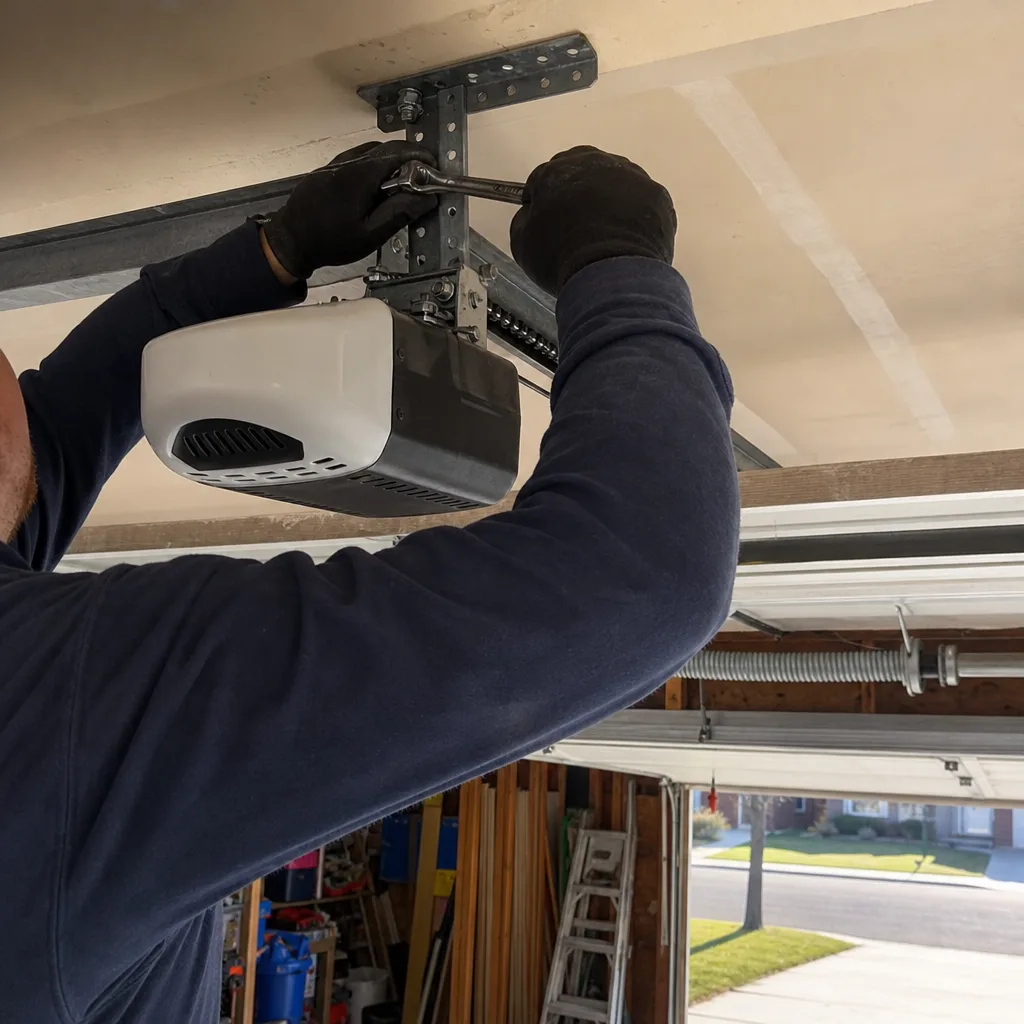
Last updated November 15, 2026
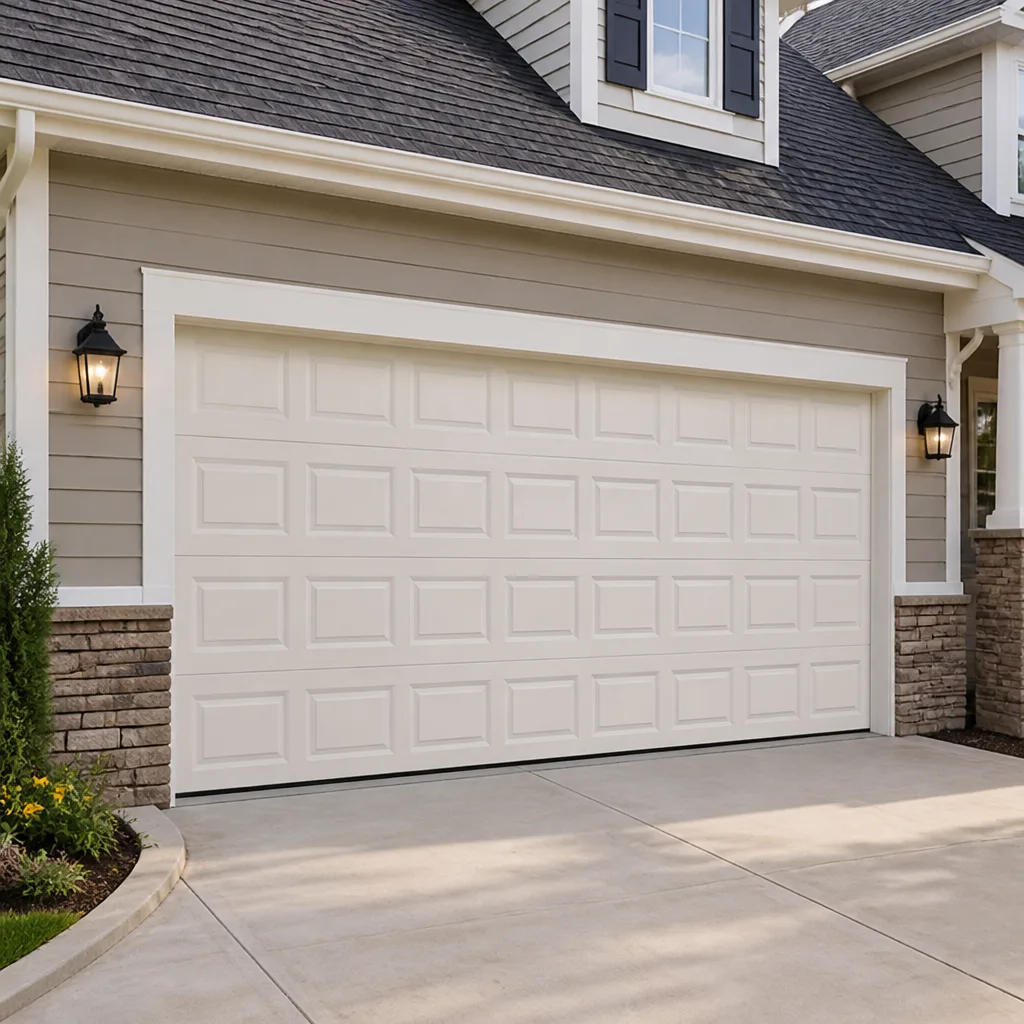 Raised-panel steel
 Carriage house
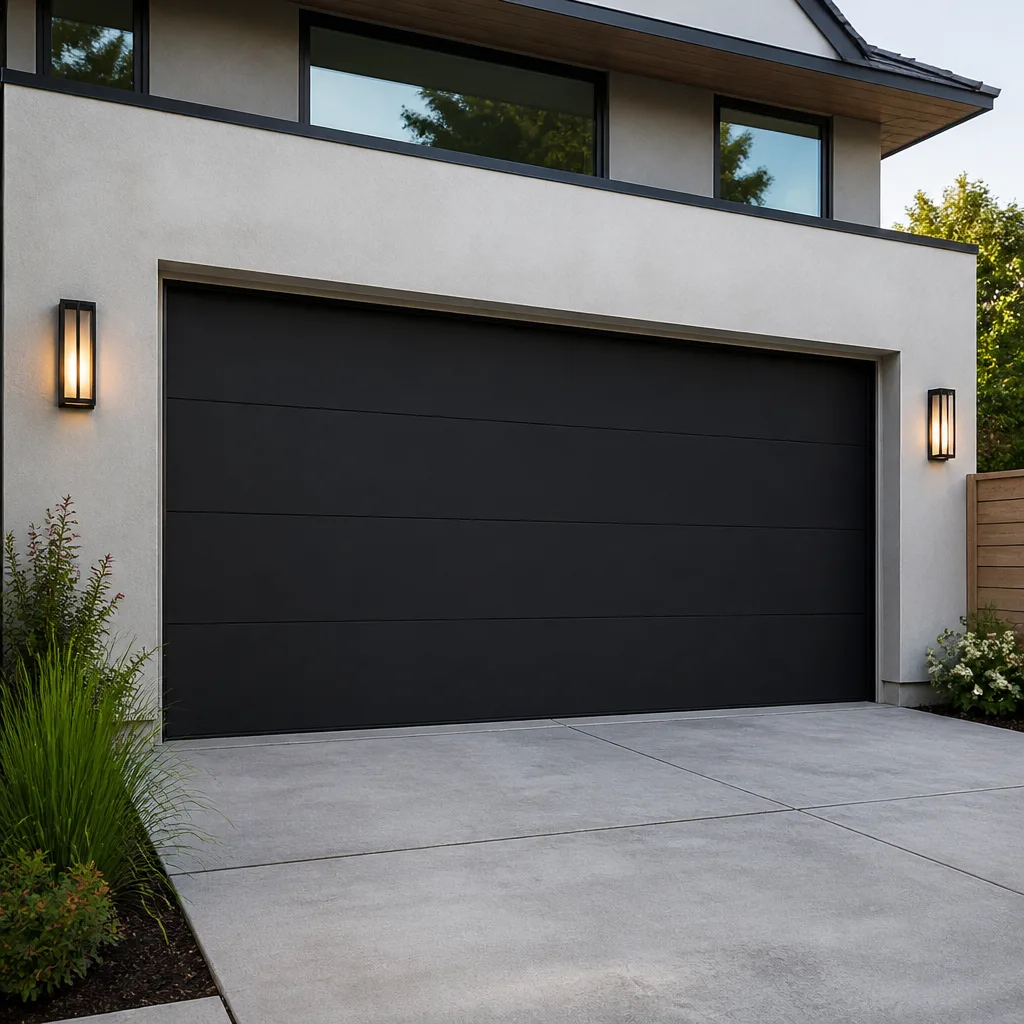 Modern flush
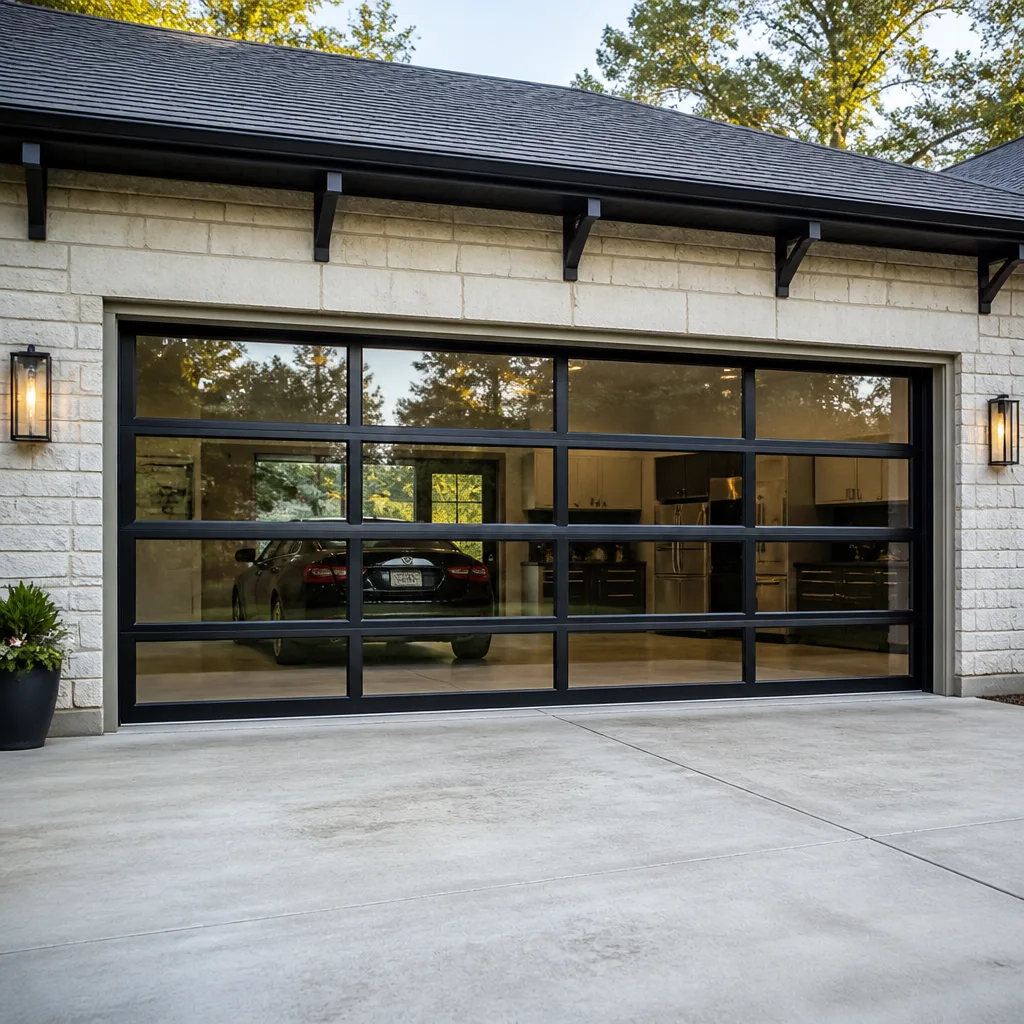 Full-view glass
 LiftMaster openers
 Chamberlain openers
Full 25-point door and opener safety check with every visit - springs, cables, rollers, tracks, and your LiftMaster or Chamberlain opener included
You get a price before we start. It does not change when the pro arrives.
Get your free estimateGarage Door Warning Signs: A Stockton Homeowner’s Reference Guide
By the time your garage door is shaking violently or grinding loud enough to hear from the kitchen, the cheap fix window closed months ago. That’s the part most homeowners get backwards. They wait for a dramatic failure, when the signals that actually save money are quiet: a spring that looks a little straighter than it used to, a slight hesitation at the halfway point, a seal that’s stopped touching the ground. In Stockton, where we’re in and out of garages all year, these are the clues people walk past every single day. This guide walks you through the early warning signs that matter, what each one is telling you, and when it’s a quick adjustment versus when you should stop using the door and call a technician today. We work on your brand, so whatever system you already own, the advice here applies to it.
Quick Answer
Early garage door warning signs include uneven gaps along the seal, a door that hesitates or travels crooked, springs that look stretched or have visible gaps in the coil, frayed or misaligned cables, noisy steel rollers, and an opener that reverses before closing. In Stockton’s mild climate these signals rarely come from weather damage; they build up from normal wear, so catching them early is what keeps a repair small. If a spring is broken, a cable is off its drum, or the door hangs crooked, stop using it and call a technician.
Styles & brands we work with
- Raised-panel steel
- Carriage house
- Modern flush
- Full-view glass
- LiftMaster openers
- Chamberlain openers
Table of Contents
- Why the early signs matter more than the obvious ones
- Visual warning signs on springs, cables, and rollers
- Movement patterns: hesitation, crooked travel, and mid-cycle reversal
- The sound diagnostic: annoying noise versus failing-part noise
- Weatherstripping and seal warning signs
- DIY adjustment or call a technician? A clear decision list
- The monthly five-minute check we recommend
Why the early signs matter more than the obvious ones
A garage door fails in stages. The system is a balance: springs carry the door’s weight, cables keep it level, rollers guide it, and the opener supplies only a nudge. When one part starts to slip, the others quietly take up the slack. That’s why the earliest warning signs look minor – a door that closes a little harder, a thump you didn’t used to hear – and why they’re the most valuable. A worn roller or a slightly loose track is a small correction. Left alone, that same wear puts continuous strain on the spring and cables, and now you’re looking at a bigger repair.
In Stockton, doors tend to age from use rather than from the climate. Our winters are mild and our summers are hot and dry, which mostly spares doors the freeze-and-thaw punishment you’d see in colder regions. What we do see is wear from daily cycles, dust and grit finding their way into rollers and tracks, and older doors that have never had a real tune-up. Because the weather isn’t constantly forcing problems into view, it’s easier for subtle signals to go unnoticed for months.
The mindset that protects your wallet is “repair first.” Most of what we diagnose in Stockton is fixable without replacing the door. The goal of reading warning signs isn’t to talk you into a new system; it’s to catch the small thing before it becomes the large one. Call (877) 405-9570 to talk it through – estimates are free, and the price is agreed in writing before any work starts.
Visual warning signs on springs, cables, and rollers
You don’t need to understand how the parts work to see that they’ve changed. A two-minute visual check from the floor, with the door down, tells you a lot. Just never reach up into the spring or cable assembly to check by hand – those parts are under heavy tension and cause serious injury. Look, don’t touch.
Springs
- A visible gap in the coil. On a torsion spring (the coil mounted on a shaft above the door), a break shows up as a clear gap, usually about two inches, and often a stray piece of the spring resting on the shaft. A broken spring means stop using the door.
- Stretched or separated coils on extension springs. Extension springs run along the sides. Coils that have opened up or a spring that hangs noticeably looser than its partner signals wear-before-failure.
- Running the door before the first sign is the risk. A spring can fail while you watch it, so if anything looks off, treat the door as out of service until a technician sees it.
Cables
- Frayed strands. A healthy cable is smooth and taut. Fraying or a fuzzy look at the ends means the cable is wearing and could snap.
- Off the drum. Cables should sit neatly in the grooves of the drums at each top corner. One that’s jumped the drum or hangs slack means the door is unbalanced and dangerous to operate.
Rollers and tracks
- Flat spots or a gritty feel. Steel rollers develop flat spots, and nylon rollers crack. Both make the door ride rough.
- Tracks that are bent or loose. Sight along each track for dents or a wavy edge, and check that the mounting brackets are snug.
If you spot a broken spring, a slipped cable, or a door hanging crooked, those are stop-and-call signals. For worn rollers or a slightly loose track, it’s worth scheduling a garage door repair before the wear spreads.
Movement patterns: hesitation, crooked travel, and mid-cycle reversal
Watch your door for one full open and one full close, and pay attention to how it moves rather than how it sounds. The way a door travels is a live readout of what’s happening inside the system, and it often warns you before anything visibly breaks.
- Hesitation at the start or halfway. A door that pauses before it lifts, or stutters around the middle, is usually fighting resistance – a tight track, worn rollers, or a spring that’s lost some of its lift. On an opener, it can mean the motor is straining to do work the springs should be doing.
- Crooked or asymmetrical travel. If one side of the door rises before the other, or you can see daylight under one corner but not the other, the door is out of balance. That points to a spring, cable, or track problem, and it’s a call-a-technician sign.
- Reversal before it closes. A door that goes down a foot and then goes back up is reacting to something it senses – often the safety sensors near the floor being blocked, misaligned, or dirty. Sometimes it’s a travel or force setting on the opener. It’s the most common complaint we hear, and it’s often a quick fix, but it isn’t safe to leave, because the door isn’t completing its cycle reliably.
- A sudden jolt or slam near the floor. A door that drops the last few inches or bangs down is moving faster than it should. That’s a force and balance issue and needs a technician.
Movement is the fastest diagnostic we have. When your opener – whether it’s a LiftMaster, a Chamberlain, or a Genie – reverses or strains, the fix may be at the opener, at the door, or at the balance between the two. That’s exactly where a full-system garage door opener repair visit pays off, because we can look at both sides of the equation instead of guessing.
The sound diagnostic: annoying noise versus failing-part noise
Not every noise means danger, and that’s the part homeowners struggle with. Some sounds are cosmetic; some are the last warning before a failure. Here’s how to sort one from the other.
- A steady squeak or squeal. Usually friction – dry hinges, rollers, or a track that needs attention. Annoying, rarely urgent, worth addressing at your next tune-up.
- A rhythmic thump as the door rises. Often a worn roller or a spot where the track has a slight kink. Address it soon, because it’s stressing the rest of the system.
- A bang or snap from above the door. This is the sound a spring makes when it breaks. If you hear it, stop using the door and call.
- A grinding or scraping that changes with door position. Grinding that follows the door’s travel often points to a track or roller problem; a grinding that comes from the opener’s housing points to the motor or gears.
- A pop, then the door goes crooked. Treat this like a cable slipping or a track bracket letting go. Stop and call.
The rule of thumb: if the noise is steady and changes with speed, it’s likely wear you can schedule. If the noise is a one-time bang, a pop, or something that suddenly got much worse, stop the door. Sound is the cheapest diagnostic you have, so use it. If you can’t tell which category your noise falls into, that’s a good reason to have someone look. Call (877) 405-9570 to describe the sound and we can tell you whether it’s safe to keep using the door in the meantime.
Weatherstripping and seal warning signs
The seal at the bottom of your door and the weatherstripping around its edges is the most ignored part on the whole system, and in Stockton it’s often the first thing to fail in ways homeowners don’t connect to the garage. A seal that’s stopped touching the ground does two things: it lets air move between the garage and the outside, and it opens a gap for pests. In a region with hot, dry summers, that gap matters for the comfort of the room above or beside the garage and for how hard your house has to work to stay cool.
Signs the seal has given up:
- Visible daylight under a closed door. If you can see light through the bottom gap, air and insects use that same path.
- A hard, cracked, or flattened bottom seal. Rubber stiffens and flattens over time; once it’s lost its spring, it stops sealing.
- Water getting past the door during rain. Our wet-season rain can push water under a worn seal and along the sill.
- Drafts along the sides and top, or gaps at the corners. Weatherstripping that’s pulled loose or torn lets the outside in.
- Signs of pests near the door. Ants, spiders, and small rodents follow gaps. Sealing the door is part of keeping them out.
Replacing a bottom seal or weatherstripping is often one of the smaller jobs on a door, but the payoff in comfort and pest control adds up. When we’re out for a routine repair, it’s one of the things we check, because a door can be mechanically fine and still let your garage leak air and bugs.
DIY adjustment or call a technician? A clear decision list
Some items on this list you can handle yourself, and some are genuinely dangerous. Garage door springs and cables are under high tension and have caused serious injuries to homeowners who tried to adjust them. A trained professional should manage anything involving those parts. Use this list to sort your situation.
Safe to handle yourself
- Wiping down and lightly lubricating tracks, hinges, and rollers with a garage-door lubricant.
- Clearing debris or a stored item that’s blocking the safety sensors near the floor.
- Wiping the sensor lenses and straightening them so they face each other.
- Replacing a bottom seal or loose weatherstripping on some doors.
- Cleaning the photo-eye area and keeping the path to it clear.
Stop using the door and call a technician today
- Any visible gap in a torsion spring, or a broken extension spring.
- A cable that’s off its drum, slack, or frayed.
- A door that hangs crooked or binds in the track.
- A loud bang followed by a door that won’t lift or won’t stay up.
- Grinding that comes from inside the opener’s housing.
- Any door that reverses, slams, or drops unexpectedly.
When in doubt, stop. Running a door with a compromised spring or cable can turn a small repair into a bigger one, and it’s not worth the risk. If you’re unsure which column your situation lands in, call and describe it. We answer 24/7, and we’ll tell you plainly whether it’s safe to keep operating the door. Our technicians have up to 12 years of experience reading exactly these signals.
The monthly five-minute check we recommend
You don’t need tools or a maintenance plan to catch most of what this guide describes – you just need five minutes and a habit. Run this short list once a month. It’s the single most effective thing a Stockton homeowner can do to keep a small fix from becoming a big one.
- Look at the springs. From the floor, with the door down, check for a gap in the coil or a spring that’s stretched loose. Don’t touch.
- Look at the cables. Sight up the sides for fraying or a cable that’s jumped the drum.
- Watch one full cycle. Open and close the door and watch for hesitation, crooked travel, or an early reversal.
- Listen. Note any new thump, squeak, or grinding and whether it’s steady or sudden.
- Check the seal. With the door closed, look for daylight at the bottom and gaps along the sides.
- Test the reversal. Put a small object in the door’s path and confirm the door reverses when it meets resistance. If it doesn’t, the safety system needs attention.
- Clear the sensors. Make sure nothing is blocking the path between the two sensors near the floor.
If a check turns up something you’re not sure about, that’s what we’re here for. A quick look now costs far less than a repair that waits. Call us to schedule a free estimate – the price is quoted and agreed before any work starts, so there are no surprises when the job is done.
Common Mistakes to Avoid
- Waiting for the loud failure. Homeowners often wait for a bang or a door that won’t move, but the subtle signs – a slight hesitation or a stretched spring – are the ones that save money. Catching them early is the whole point.
- Trying to adjust springs or cables yourself. These parts are under heavy tension and are the most common source of serious garage door injuries. Watch and listen; let a trained technician handle the repair.
- Ignoring a bottom seal that’s stopped touching the floor. In Stockton’s hot, dry summers, a worn seal lets in both air and pests, and it’s easy to write off as cosmetic. It’s worth fixing.
- Assuming every noise means a big repair. A steady squeak is usually friction, not failure. Diagnosing the sound correctly keeps you from overpaying for a real problem or ignoring one that’s serious.
- Running a crooked door “just for now.” A door that hangs unevenly is out of balance, and running it stresses the springs and cables. Stop and call.
- Letting grit build up in the tracks. Stockton’s dry, dusty conditions mean tracks and rollers collect grit faster than you’d expect. A wipe-down during your monthly check keeps wear down.
- Skipping the reversal test. The safety sensors and reversal are there for a reason, and a door that won’t reverse is a hazard. Test it monthly.
See the difference
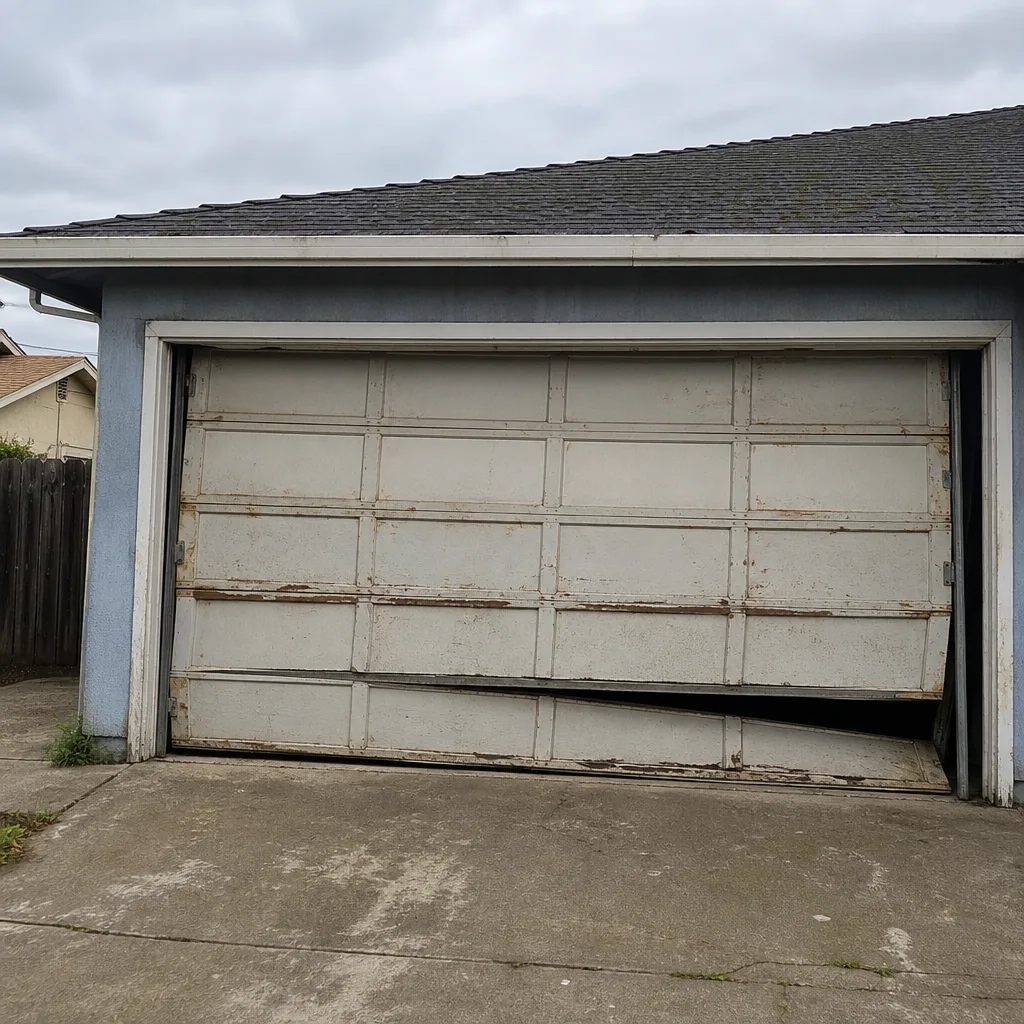 Before
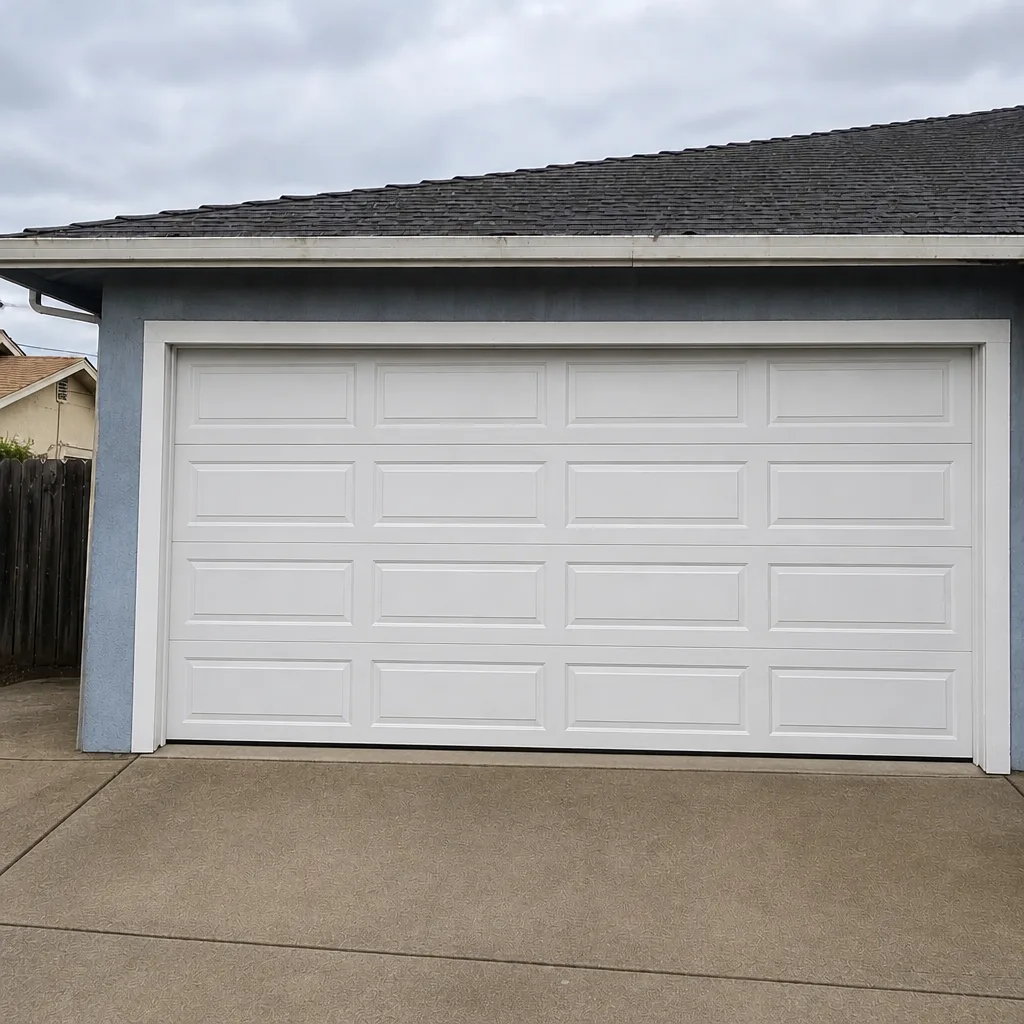 After
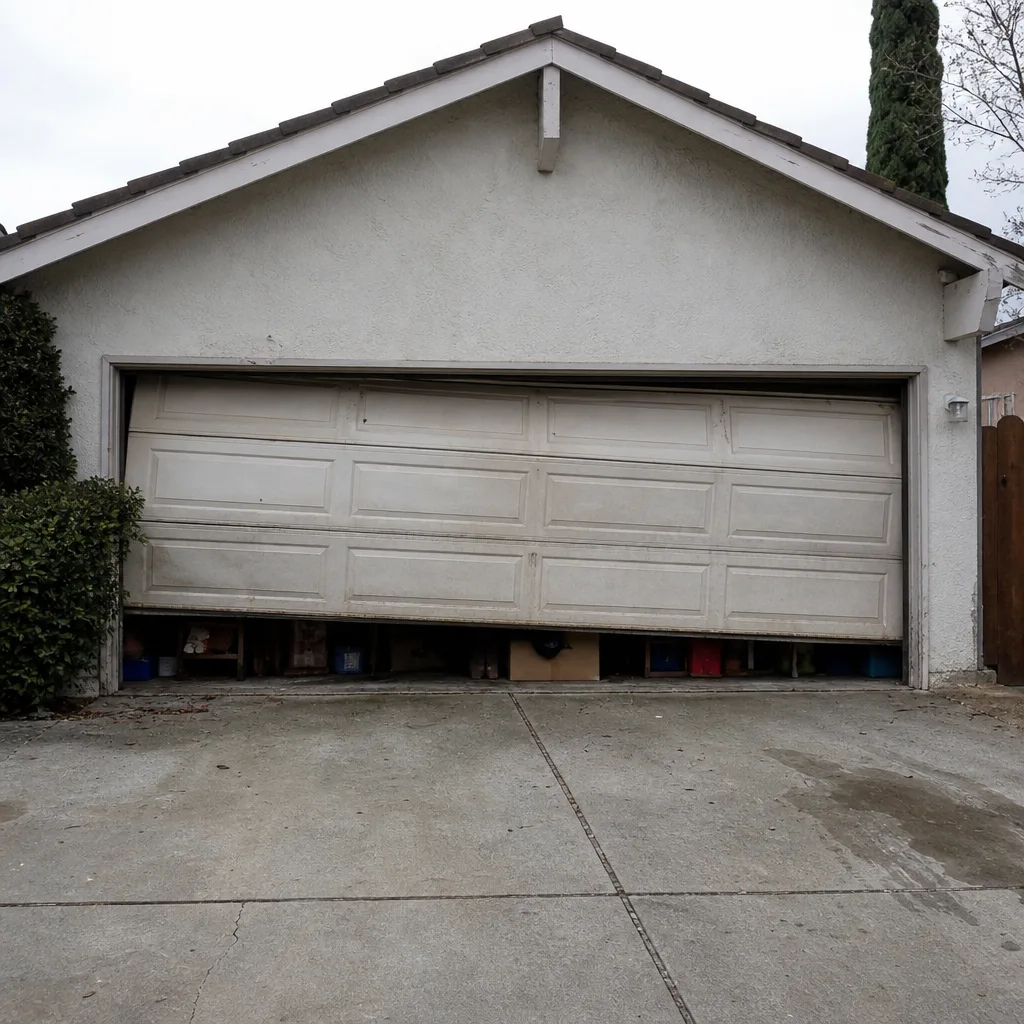 Before
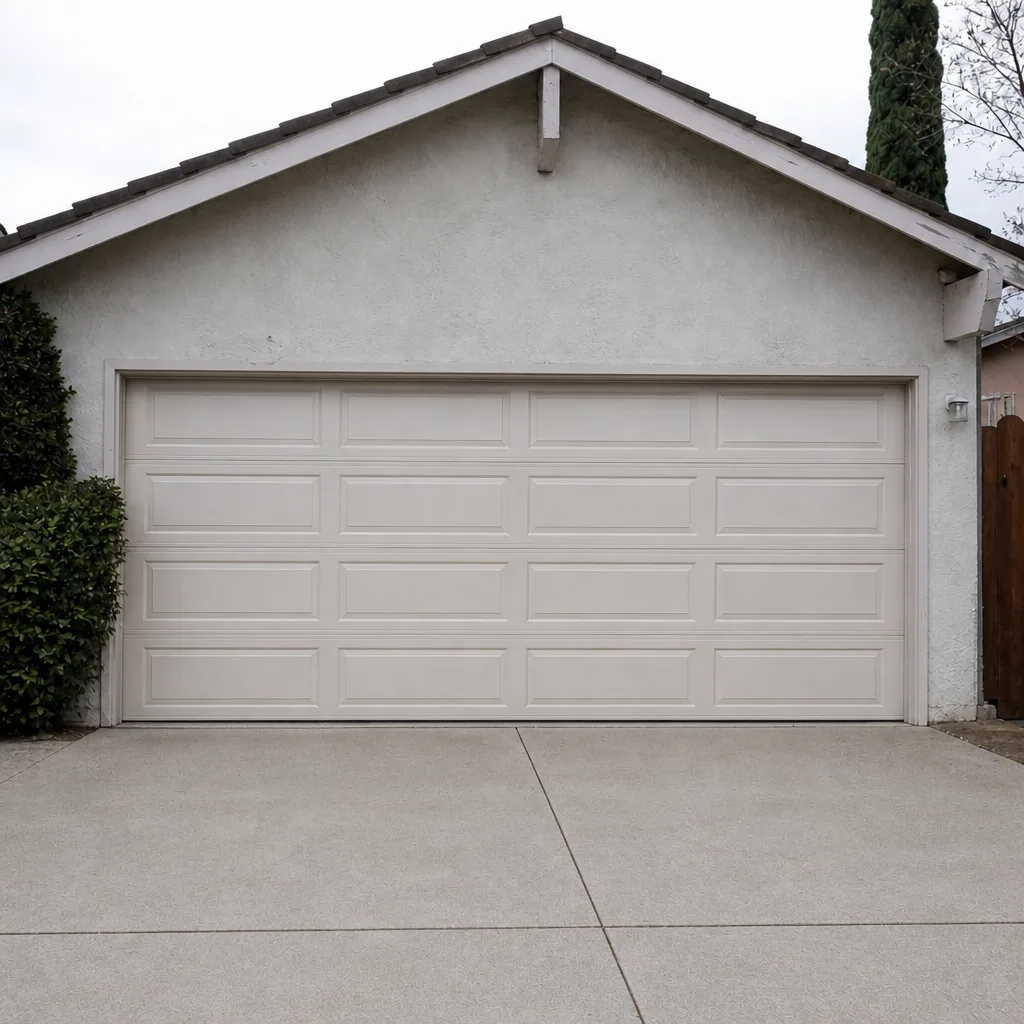 After
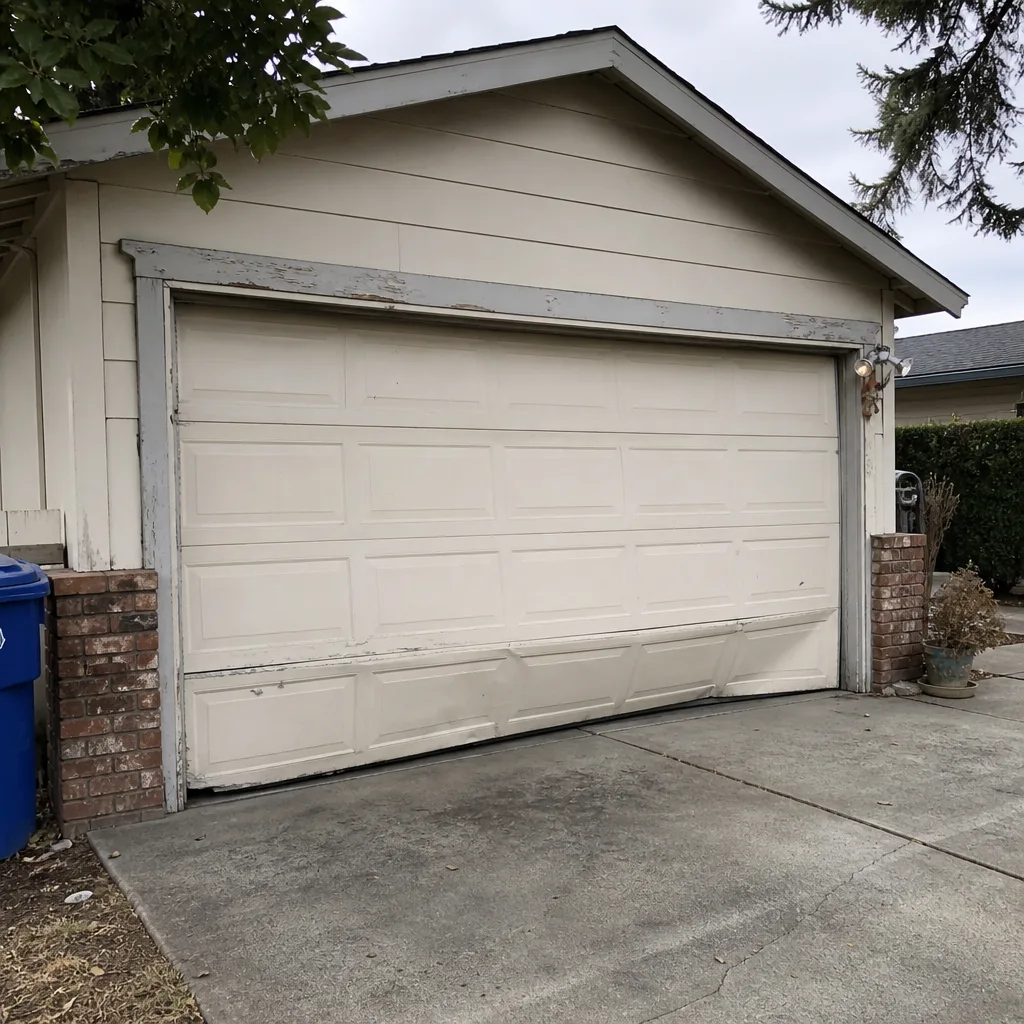 Before
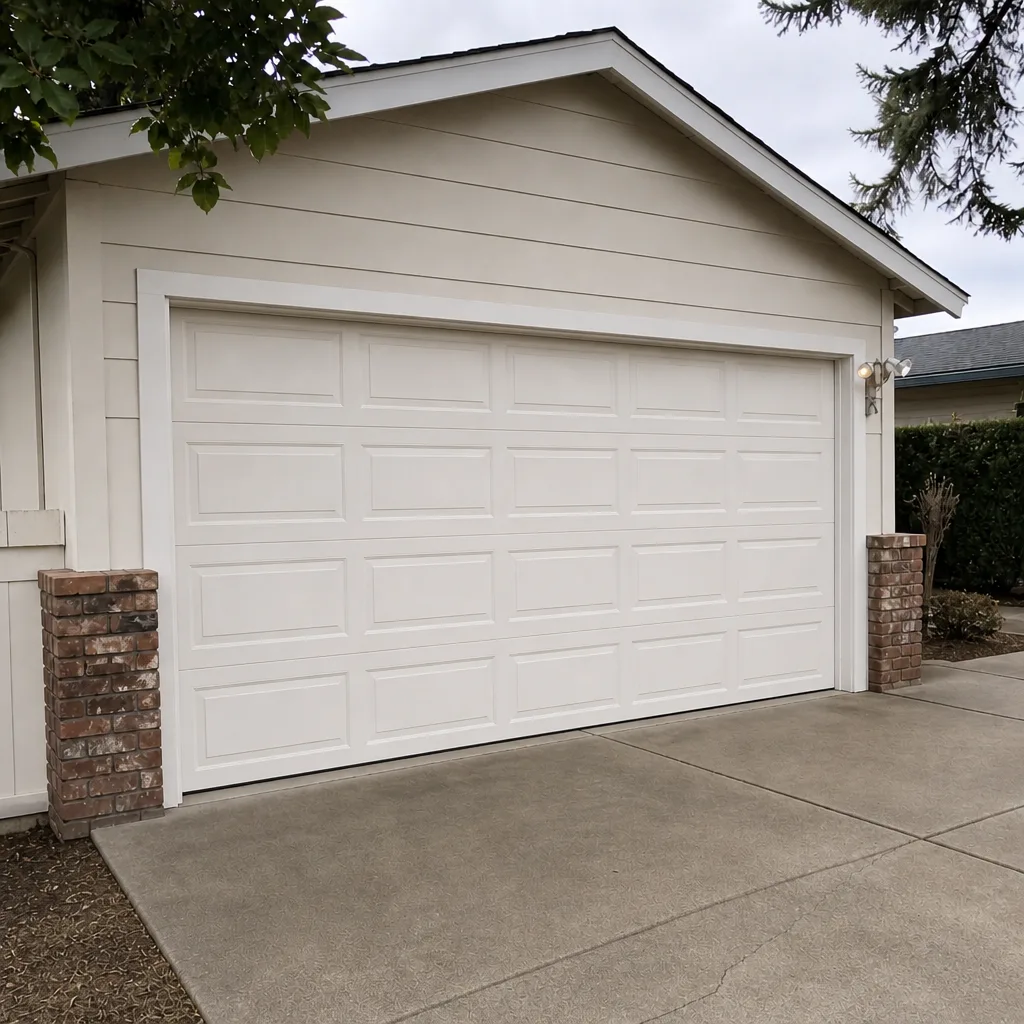 After
When to Call a Professional
Call a professional any time you see a broken spring, a cable off its drum, frayed cables, or a door that hangs crooked or binds. Stop using the door in those cases and call today. Call us when you hear a sudden bang or pop, when the door reverses repeatedly, when grinding comes from inside the opener, or when a seal or sensor problem is beyond a simple clean-up. If you’re simply unsure what a sound or a movement pattern means, that’s a good reason to call too – we’d rather talk it through than have you run a door that needs attention. Marigold Garage Door Repair offers free estimates in Stockton – call (877) 405-9570. The price is set per job by the written estimate, agreed before any work starts.
Frequently Asked Questions
Uneven travel and a door that hesitates or reverses mid-cycle are usually the earliest reliable signs, because the door shows the imbalance before a part visibly breaks. A visible gap in the torsion spring or a frayed cable comes next, and those are stop-and-call signals. If you notice any of them, it’s worth a free estimate to find out what’s going on. Call (877) 405-9570 – estimates are free.
Anything involving springs, cables, or a crooked door is a technician job, because those parts are under heavy tension and are dangerous to adjust yourself. Cleaning sensors, wiping tracks, and replacing weatherstripping are usually safe to handle on your own. If you’re not sure which side your issue falls on, describe it to us and we’ll tell you.
Most often it’s the safety sensors near the floor – blocked, dirty, or misaligned – or a travel or force setting on the opener that needs attention. Sometimes it’s resistance in the door itself. It’s usually a quick fix, but it isn’t safe to leave. Call (877) 405-9570 and we can walk you through the likely cause.
A steady squeak is usually friction from dry hinges or rollers and isn’t urgent, but it’s worth addressing so the friction doesn’t spread to other parts. Watch for a sudden change in the sound or a squeak that turns into a thump – that’s when it needs attention sooner. Call (877) 405-9570 for a free estimate when you’re ready.
Yes – a seal that’s stopped touching the floor lets air move between the garage and outside and opens a gap for pests, which matters in Stockton’s hot, dry climate. It’s easy to ignore, but fixing it improves comfort and helps keep insects and small rodents out. Call (877) 405-9570 to talk about a seal replacement.
Very likely, yes. We’re trained and experienced on eight leading brands – LiftMaster, Chamberlain, Genie, Clopay, Amarr, Wayne Dalton, Craftsman, and Raynor – so we work on what you already own rather than steering you toward a new system. If your opener is a Chamberlain or a Genie, or your door is a Clopay or an Amarr, our technicians know the system. Call (877) 405-9570 for a free estimate.
The Bottom Line
The warning signs that save Stockton homeowners money are quiet, not loud: springs that look slightly off, cables that are starting to fray, a door that hesitates or travels crooked, a seal that’s stopped touching the floor. Watch your door run one full cycle once a month, listen for changes, and look before you touch. Handle the safe items yourself – sensors, tracks, seals – and stop and call a technician for anything involving springs, cables, or a door that’s out of balance. Repair first, before the small thing becomes the big repair. If a sign has you unsure, call (877) 405-9570 for a free estimate. We answer 24/7. Fast dispatch from 7am to 7pm, Sunday through Friday. At Marigold Garage Door Repair, we work on your brand, and the price is agreed in writing before any work starts.
Written by the team at Marigold Garage Door Repair.